

The most effective non‑medicated way to switch to natural period care products is a combined inside‑out routine: a daily probiotic, a gentle pH‑balanced vulvar wash, and a relief patch or heat therapy on the days pain actually hits. Add a non‑medicated topical support if hormonal acne is part of the picture. That’s the whole strategy in one sentence. Everything else is timing and technique.
Here’s what to do this week:
- Pick one probiotic supplement formulated for women’s health and take it daily, same time each day
- Swap your current intimate cleanser for a fragrance‑free, pH‑balanced vulvar wash
- Keep a heat patch on hand for cramp days and apply it before pain peaks, not after
- Layer in a topical acne support if breakouts track with your cycle
Expect the heat patch to work within minutes. Expect the probiotic to take 8 to 12 weeks before you notice a real shift in skin clarity, bloating, or cycle rhythm. That gap between instant and gradual relief is the single most misunderstood part of this switch.
Key Takeaways
A non‑medicated switch works best as a layered routine, not a single swap, with immediate relief from heat and gradual change from daily probiotics over 8 to 12 weeks.
| Point | Details |
|---|---|
| Start with two products | Begin with a probiotic and a pH‑balanced vulvar wash before adding anything else. |
| Time your heat patch | Apply thermotherapy 30 to 60 minutes before pain typically peaks for better effect. |
| Set an 8 to 12 week timeline | Probiotics need consistent daily use for two to three months before symptoms visibly shift. |
| Read labels for specifics | Look for named strains, exact pH values, and non‑comedogenic claims, not vague marketing terms. |
| Florvahealth covers the full routine | Its probiotic, wash, patch, and topical line map directly onto this inside‑out approach. |
This article is general information, not a substitute for advice from a qualified doctor. Consult a qualified healthcare professional about your own circumstances before acting on anything here.
Table of Contents
- What to Switch to First: Product Categories and Why Each Helps
- How to Switch Step by Step: A 12-Week Starter Plan
- What Label Details Actually Matter When Shopping?
- What Does the Clinical Evidence Actually Show?
- What Realistic Expectations Should You Have?
- How Florvahealth’s Routine Maps to This Plan
- Sources
What to Switch to First: Product Categories and Why Each Helps
Five categories cover almost every symptom on the list: cramps, bloating, hormonal acne, and irregular cycles.
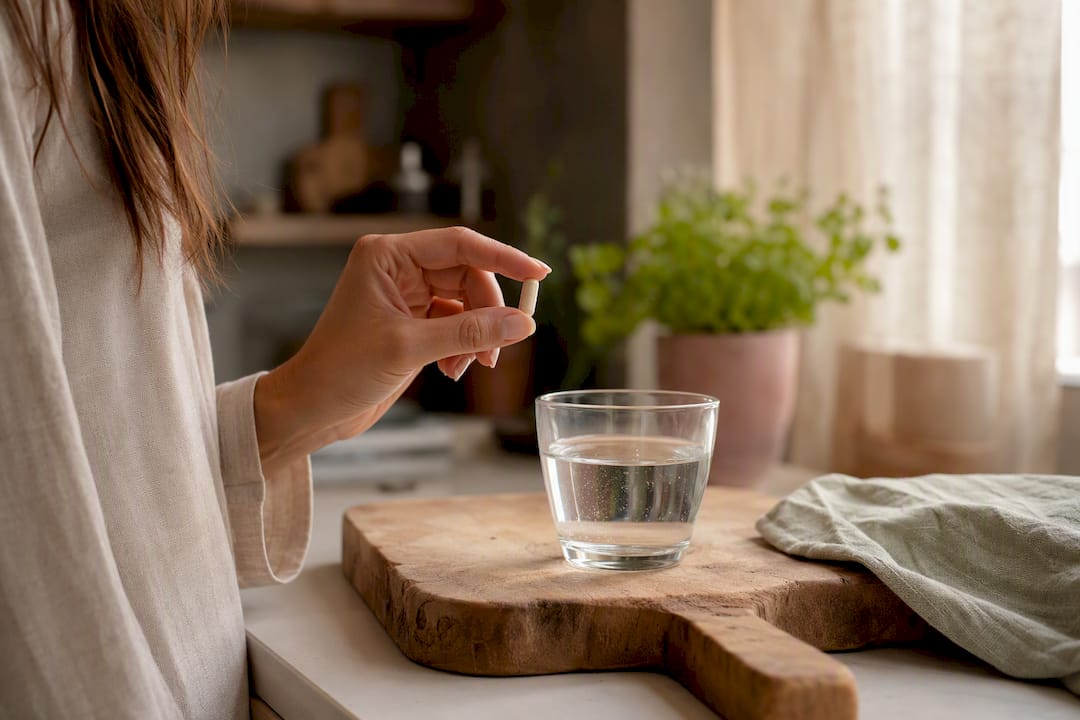
Probiotic supplements work on what researchers call the gut-hormone-skin axis, the idea that gut bacteria influence circulating hormones and skin inflammation. A 2026 randomized trial of two specific strains, Lactobacillus helveticus and Bifidobacterium longum, found improvements in hormonal and inflammatory markers after eight weeks in women with PCOS, though visible symptom changes lagged behind the blood work. When you shop, check the label for named strains (not just “probiotic blend”), a CFU count that applies at the time of use rather than at manufacture, and a storage instruction. Some strains need refrigeration; others don’t.
Vulvar washes matter more than most women realize. Clinical reviews recommend external washes formulated in the 4.2 to 5.6 pH range, soap‑free and fragrance‑free, because that mild acidity supports the skin barrier without disrupting it. Douching is a different thing entirely and clinical guidance consistently discourages it.
Relief patches use thermotherapy, heat that relaxes uterine muscle and increases local blood flow. Apply one 30 to 60 minutes before pain typically peaks for better effect, not after cramps set in.
Topical acne supports should be non‑comedogenic and skip heavy occlusive ingredients that can clog pores during a hormonal flare. Magnesium and omega‑3s round out the routine as daily complements with a reasonable, if modest, evidence base for cramp and mood support.
How to Switch Step by Step: A 12-Week Starter Plan
Start small. Layering five new products on day one makes it impossible to know what’s working, or what’s causing a reaction.
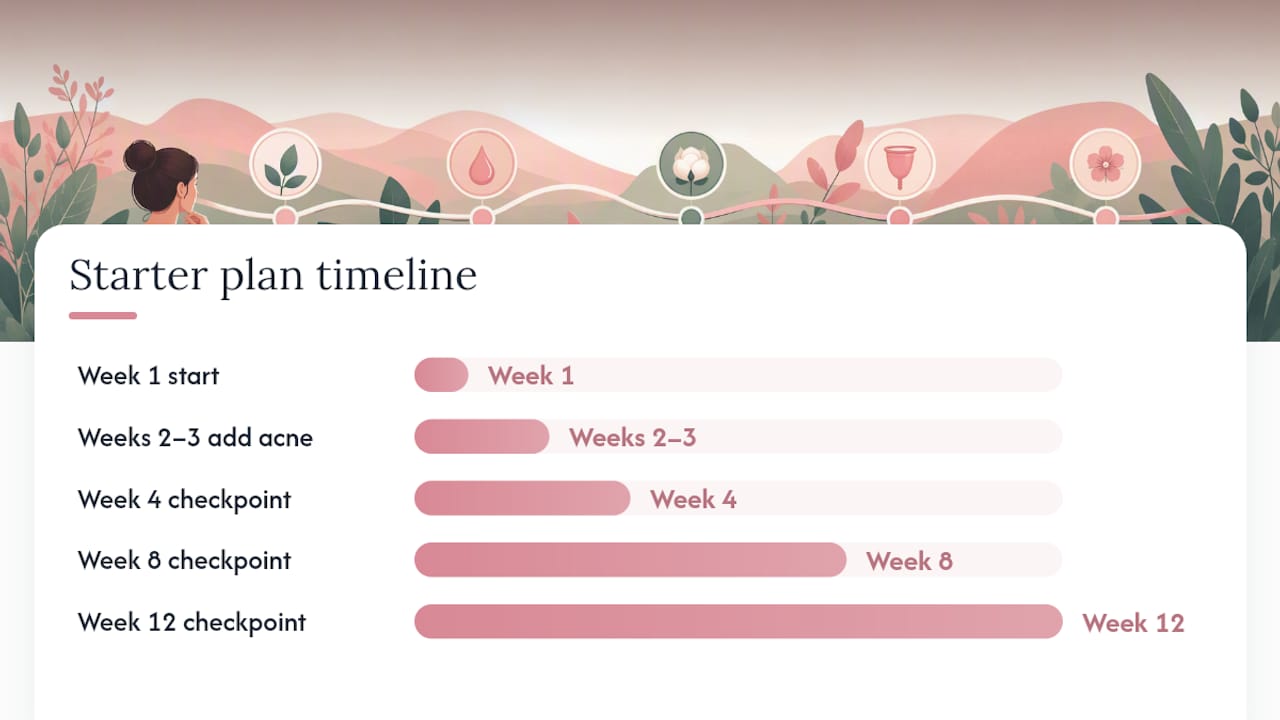
- Week 1: Start with two products only, a probiotic and a vulvar wash. Take the probiotic daily, same time, and switch your wash immediately.
- Weeks 2 to 3: Add a topical acne support if you’re breaking out, ideally starting in the luteal phase (the week or two before your period) since that’s when hormonal acne tends to flare.
- Any pain day: Apply a heat patch 30 to 60 minutes before you expect cramps to peak. Patch‑test a small area first and remove if you notice redness or itching.
- Week 4 checkpoint: Log a pain scale (1 to 10), a bloating score, and any new breakouts. Expect the patch to help immediately and the probiotic to still be a work in progress.
- Week 8 checkpoint: Review your log for early trends in acne lesion counts and cycle timing. This is roughly when probiotics start showing measurable shifts in some clinical trials.
- Week 12 checkpoint: Compare your first log entry to your most recent one across all four markers: pain, bloating, breakouts, and cycle regularity.
Introduce one new product at a time and wait at least a week before adding another, so you can trace any reaction back to its source. Stop and reassess if you notice irritation that doesn’t resolve within a couple of days.
Pro Tip: Practitioner guidance consistently notes that probiotics need daily, uninterrupted use across multiple cycles. A missed week doesn’t reset the clock entirely, but it does slow down the timeline, so consistency matters more than perfection.
What Label Details Actually Matter When Shopping?
Reading labels well is the difference between a routine that works and one that quietly does nothing.
For probiotics, look for a named strain, a CFU count specified for end‑of‑shelf‑life rather than manufacture date, clear storage instructions, and a third‑party testing seal if the brand offers one. Vague labels like “proprietary blend” without species names are a red flag, not a selling point.
For vulvar washes, the label should state an actual pH value, not just “gentle” or “balanced.” Look for “soap‑free,” fragrance‑free, and paraben‑free claims, plus dermatological testing where listed. A wash formulated for external vulvar use differs meaningfully from anything meant for internal application, since the vulva’s skin barrier and microbiome needs are distinct from the vagina’s.
For relief patches, confirm whether the product delivers heat only or heat plus a topical ingredient, note the temperature range, and check the adhesive type if you have sensitive skin.
For topical acne care, prioritize non‑comedogenic formulas and microbiome‑friendly ingredients over heavy, pore‑clogging occlusives.
Skip anything promising a full internal “detox” through a device or system‑wide cleanse with no clinical backing behind that specific claim. That’s a marketing category, not a medical one, and it’s worth treating your skepticism as a feature, not a flaw.
Avoid douching entirely, skip scented intimate products regardless of how they’re marketed, and don’t confuse a genuinely pH‑balanced external wash with a product designed for internal use.
What Does the Clinical Evidence Actually Show?
The evidence for this routine is real but modest, and it’s worth knowing the difference.
A meta‑analysis of double‑blind randomized trials found oral probiotics produced a modest reduction in inflammatory acne lesions, but the pooled sample was small and the trials varied in design. A broader systematic review of biotic therapies, covering probiotics, prebiotics, and postbiotics together, reached a similar conclusion: generally safe, associated with meaningful lesion reduction, but built on a heterogeneous evidence base. Probiotics carry the strongest support of the three.
On the external care side, clinical reviews back pH‑balanced, soap‑free washing over harsh soaps or douching, and thermotherapy has documented mechanistic support for cramp relief when timed correctly.
Safety cautions apply across the board. If you’re pregnant, breastfeeding, immunocompromised, or taking prescription medication, talk to a clinician before starting a new probiotic or herbal supplement, since interactions are possible even with “natural” products. The CDC’s menstrual hygiene guidance also recommends frequent product changes and avoiding scented items regardless of what routine you’re building. Seek medical care promptly for severe pain, heavy bleeding, or new symptoms that don’t fit your usual pattern.
What Realistic Expectations Should You Have?
Florvahealth built its whole model around the inside‑out idea because the pieces genuinely work on different timelines. A patch changes how you feel in minutes. A probiotic changes your skin and cycle over months, if you stay consistent. Most people who give up on probiotics do it around week four, right before results tend to show up. And if your symptoms are severe or don’t budge, that’s a signal for a clinical workup, not a stronger supplement.
How Florvahealth’s Routine Maps to This Plan
Florvahealth built its product line around parts of the routine outlined above. The lineup covers a probiotic capsule, a pH-balanced intimate wash and topical care for hormonal skin, designed to layer together. For cramp days, any heat patch covers the last step.
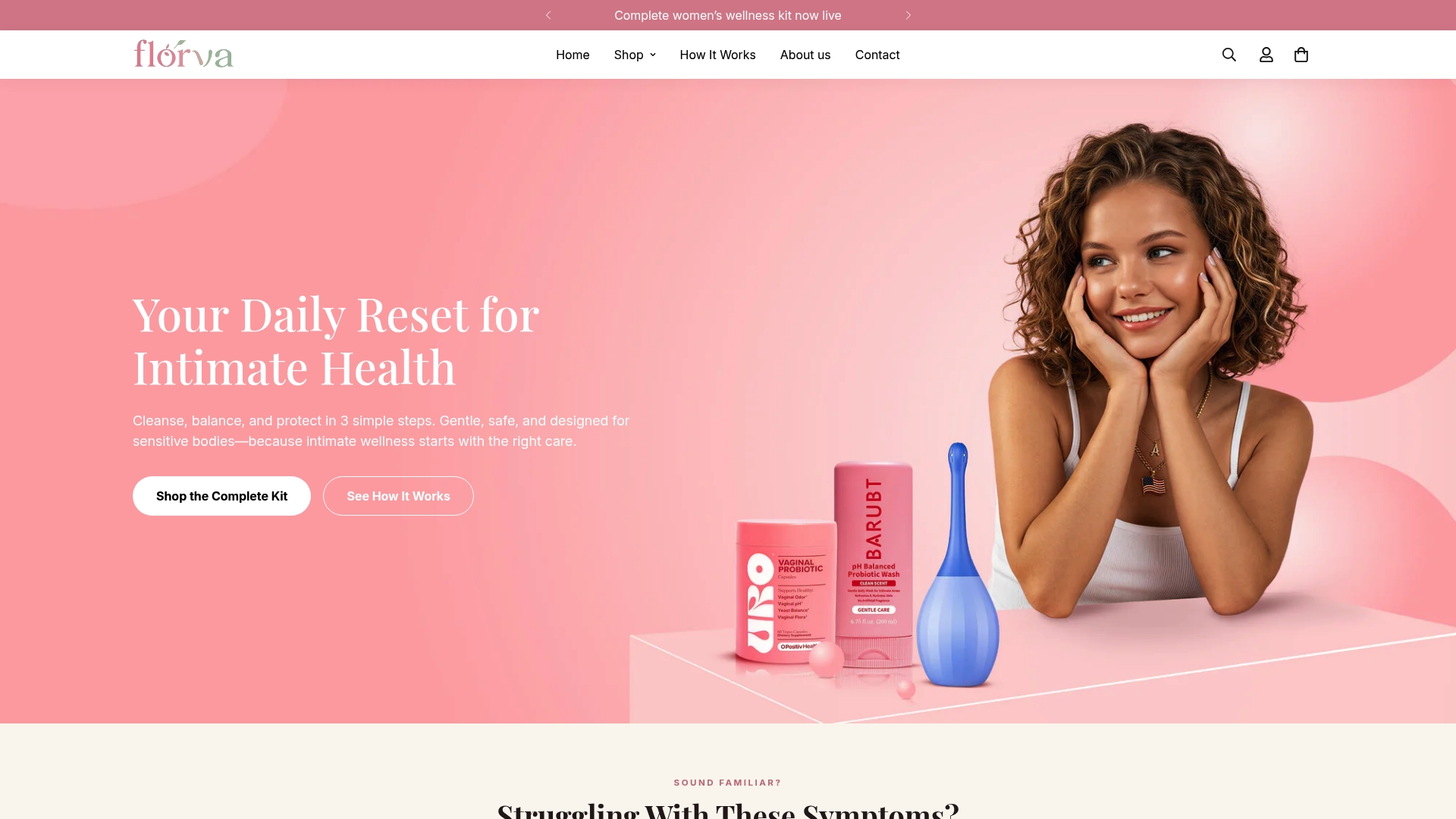
If bloating after meals is part of your picture, digestive enzyme capsules support digestion. For hormonal acne specifically, browse the skincare for hormonal skin collection for non-medicated topical options that pair with a daily probiotic. Start with the probiotic and wash in week one, and introduce topical care once your skin has had a week to adjust. Visit Florvahealth to see the full range.
Sources
- Role of female intimate hygiene in vulvovaginal health: Global hygiene practices and product usage
- Effects of supplementation with two probiotic strains (Lactobacillus helveticus and Bifidobacterium longum) on hormonal status, oxidative stress, and clinical symptoms in women with polycystic ovary syndrome
- Thermotherapy and non‑pharmacologic approaches to menstrual pain (review)


