

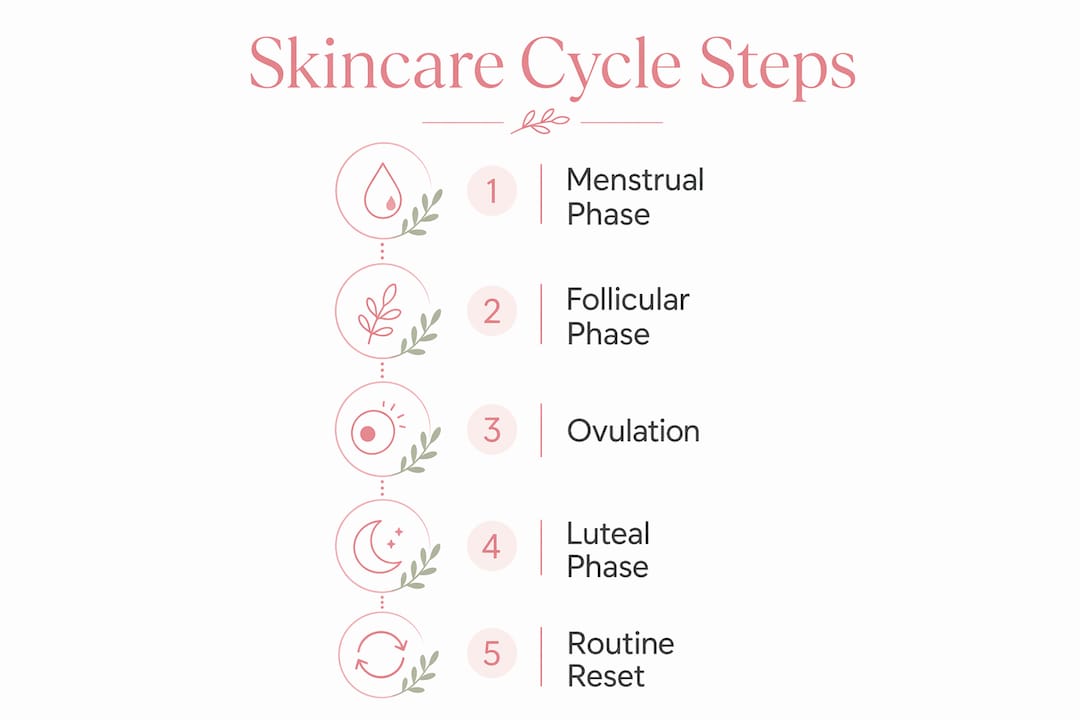
Cycle syncing skincare is the practice of tailoring your products and ingredients to each phase of your menstrual cycle. Your skin does not behave the same way all month, and that is not a flaw. It is biology. Predictable hormonal skin flares affect 65% of women, yet most of them never adjust their routines to match. The four phases, menstrual, follicular, ovulation, and luteal, each create distinct skin conditions. Learning to adjust skincare across your menstrual cycle means working with those conditions instead of fighting them. A gentle cleanser, a barrier-supporting moisturizer, and a broad-spectrum SPF remain non-negotiable every single day.
How do hormonal changes during the menstrual cycle affect your skin?
Estrogen and progesterone are the two hormones that drive every skin change you notice across the month. Both hormones directly modulate sebum production, barrier integrity, and inflammation, which is why your skin can feel tight and reactive one week and oily the next. This is not random. It follows a predictable 28-day pattern that dermatological research has documented in detail.
“Hormonal fluctuations across the menstrual cycle are among the most consistent and underappreciated drivers of adult female skin changes.” — Archives of Dermatological Research
During the menstrual phase, estrogen and progesterone both drop to their lowest levels. Low estrogen coincides with a compromised skin barrier and increased sensitivity, which explains the dullness, dryness, and reactivity many women experience during their period. As estrogen rises through the follicular phase, skin becomes more resilient, better hydrated, and more tolerant of active ingredients. Ovulation brings peak estrogen, giving skin its clearest, most luminous appearance of the month.
The luteal phase is where things get complicated. Progesterone surges after ovulation, stimulating sebaceous glands and increasing androgenic activity. The result is a spike in sebum production, clogged pores, and the classic premenstrual breakout. Understanding this hormonal timeline is the foundation for every smart skincare swap you make.
What skincare adjustments help during the menstrual phase?
The menstrual phase calls for the gentlest version of your routine. Your barrier is at its weakest, and your skin is most reactive to anything harsh or stripping. This is not the time for retinoids, glycolic acid, or strong exfoliants.
The ingredients that work best right now are those that repair and protect:
- Ceramides restore lipid layers in a compromised barrier
- Hyaluronic acid draws moisture into dehydrated skin without irritating it
- Panthenol (vitamin B5) soothes inflammation and accelerates surface repair
- Centella asiatica calms redness and supports wound healing
- Gentle, fragrance-free cleansers remove impurities without stripping natural oils
Switch to a richer moisturizer during this phase if your skin normally tolerates a lightweight gel. The extra occlusion helps seal in hydration when your barrier cannot do it alone. Gentle cleansers and lipid-supporting moisturizers maintain barrier function and reduce irritation across all phases, but they matter most right now.
Pro Tip: Skip your weekly exfoliation session during the first two days of your period. Rescheduling it to day 5 or 6, when estrogen starts rising, gives you the same results with none of the irritation.
How to get the most from your skincare during the follicular phase
The follicular phase, roughly days 6–14, is the best time to use your strongest actives. Rising estrogen improves skin hydration, speeds up cell turnover, and increases your tolerance for ingredients that would cause irritation during menstruation.
- Reintroduce retinoids. Start with your lowest concentration and apply every other night. Skin absorbs and responds to retinol more effectively when the barrier is intact and estrogen is rising.
- Use AHAs like glycolic or lactic acid. A chemical exfoliant two to three times per week during this phase refines texture and brightens tone without the reactivity risk you face during menstruation.
- Add vitamin C in the morning. Ascorbic acid works synergistically with rising estrogen to support collagen synthesis. Apply it under SPF for maximum benefit.
- Layer peptides at night. Peptides signal skin to produce more collagen and elastin. The follicular phase is when your skin is most receptive to repair-focused ingredients.
- Lighten your moisturizer texture. As sebum production normalizes and hydration improves, a gel or gel-cream replaces the richer formula you used during menstruation.
The follicular phase is also the right time to introduce any new product you want to test. Your barrier is strong enough to handle the adjustment period without overreacting.
Pro Tip: If you have been hesitant to try a retinoid, start it on day 7 of your cycle. The timing gives your skin the best possible conditions for tolerating something new.
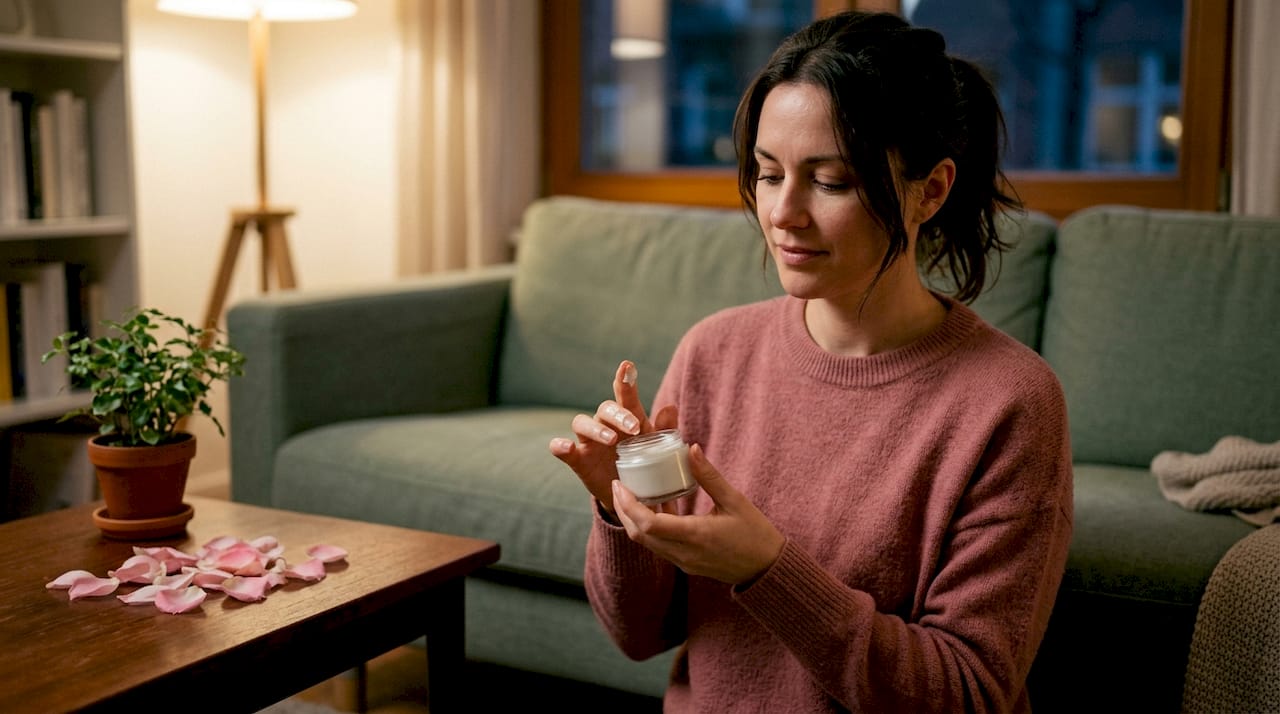
What skincare changes should you make during ovulation to manage oil?
Ovulation, around days 14–17, brings peak estrogen and a brief surge in testosterone. Skin looks its best during this window, but the testosterone spike increases oil production and can cause shine and mild congestion if you are not prepared.
The goal is balance, not stripping. Switching to oil-controlling ingredients prevents congestion without disrupting the glow that makes this phase so appealing. A clay cleanser such as our green tomato clay facial cleanser can help with the extra shine in this phase.
- Niacinamide (vitamin B3) regulates sebum and minimizes the appearance of pores
- BHA (salicylic acid) penetrates pores to clear out excess oil before it causes breakouts
- Green tea extract provides antioxidant protection and reduces surface oiliness
- Zinc controls sebum at the source and has mild anti-inflammatory properties
| Skin concern | Recommended ingredient | Format to use |
|---|---|---|
| Excess shine | Niacinamide 5–10% | Serum or toner |
| Clogged pores | Salicylic acid 1–2% | Cleanser or leave-on treatment |
| Antioxidant protection | Green tea extract | Lightweight serum |
| Sebum control | Zinc | Moisturizer or spot treatment |
Avoid heavy facial oils and rich cream moisturizers during ovulation. Your skin does not need the extra lipids right now, and adding them increases the chance of congestion. A lightweight, water-based moisturizer with SPF is enough.
How to preempt hormonal breakouts during the luteal phase
The luteal phase, days 15–28, is where most hormonal acne originates. Progesterone rises sharply after ovulation, stimulating sebaceous glands and triggering the androgenic activity that causes deep, cystic breakouts along the jawline and chin.
The most effective strategy is prevention, not reaction. Pre-treating with BHA and azelaic acid before breakouts appear is more effective than treating active inflammation after the fact. Start your pore-clearing routine two to three days before you typically break out.
- Introduce salicylic acid as a leave-on treatment. Apply a 2% BHA serum or toner to breakout-prone areas every evening starting around day 18.
- Add azelaic acid for dual action. Azelaic acid clears pores and reduces post-inflammatory hyperpigmentation at the same time. It works well layered under moisturizer.
- Use benzoyl peroxide as a spot treatment only. Apply it directly to forming breakouts rather than across the whole face to avoid dryness.
- Adjust your moisturizer on the jawline and chin. Over-moisturizing hormone-prone areas worsens breakouts. Use a minimal amount of a lightweight, non-comedogenic formula on those zones specifically.
- Apply SPF every morning without exception. Hormonal breakouts leave behind dark marks quickly. Daily broad-spectrum SPF prevents post-inflammatory hyperpigmentation from making those marks permanent.
Pro Tip: Keep a dedicated “luteal phase” set of two or three products next to your regular routine. Seeing them is a visual reminder to start pre-treating before the breakout arrives, not after.
Resist the urge to pile on every acne-fighting ingredient at once during this phase. Progesterone-driven sebum spikes respond best to early, consistent intervention rather than aggressive last-minute treatment. Overloading skin with actives during the luteal phase can damage the barrier and make the next menstrual phase even harder to manage.
Key Takeaways
Adjusting skincare across the menstrual cycle requires matching ingredients to hormonal conditions in each phase, not overhauling your entire routine every week.
| Point | Details |
|---|---|
| Menstrual phase needs barrier repair | Use ceramides, hyaluronic acid, and gentle cleansers; skip strong actives and exfoliants. |
| Follicular phase tolerates actives best | Introduce retinoids, AHAs, and vitamin C when estrogen is rising and skin is resilient. |
| Ovulation calls for oil control | Switch to niacinamide, salicylic acid, and lightweight textures to manage shine and congestion. |
| Luteal phase requires early prevention | Start BHA and azelaic acid before breakouts appear; apply minimal moisturizer to the jawline. |
| Core routine stays constant | A gentle cleanser, barrier moisturizer, and SPF are non-negotiable every day of the cycle. |
Why I stopped changing everything every two weeks
The biggest mistake I see is treating cycle syncing like a complete wardrobe change every phase. Women buy four separate sets of products, rotate them on a strict calendar, and then wonder why their skin is more confused than ever. Overhauling your entire routine at each phase can damage your barrier more than any single ingredient would.
What actually works is rotating 2–3 key products around a stable core. Your cleanser, moisturizer, and SPF stay the same every day. What changes is whether you add a BHA serum, swap to a richer night cream, or hold off on your retinoid for a few days. That is it.
The other thing worth saying plainly: cycle syncing is a useful framework, not a medical protocol. Tracking your skin alongside your cycle for 2–3 months gives you far more useful data than any generic phase guide, including this one. Your luteal breakouts might arrive on day 20 or day 24. Your skin might stay oily through ovulation or dry out unexpectedly. The calendar is a starting point. Your skin’s actual behavior is the real guide.
The women who get the best results from cycle syncing are not the ones following the most detailed protocol. They are the ones who pay close attention, make small adjustments, and stay consistent with the basics.
— Zamanee
Florvahealth products for hormonal skin support
Skincare adjustments work best when they are supported from the inside out. Florvahealth builds its products around exactly that principle, connecting gut health, hormone regulation, and skin clarity in one system.
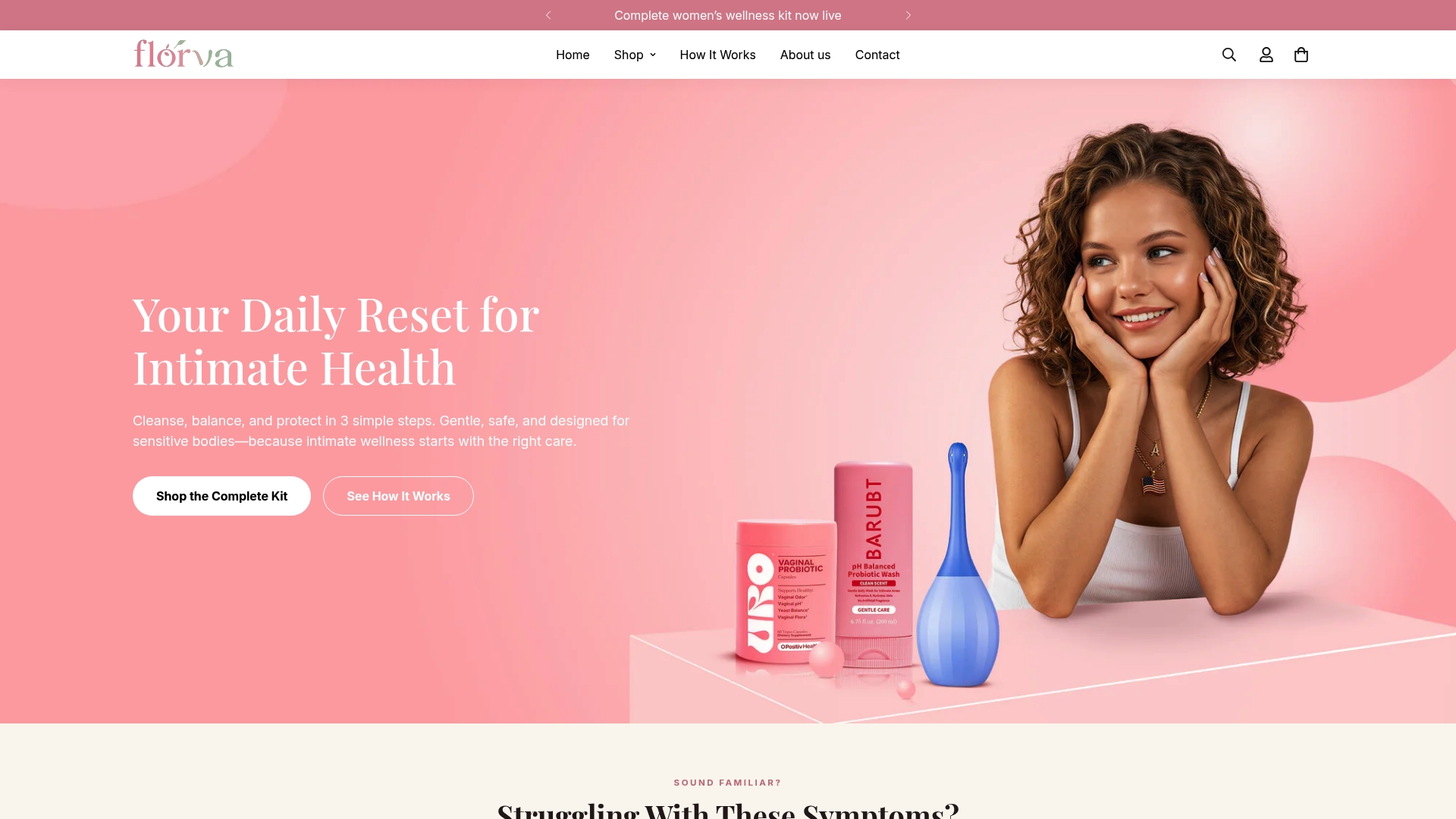
Florvahealth’s range is built for women who want to work on hormonal skin changes from the inside and the outside. Women’s vaginal probiotic capsules support gut and intimate health across the whole cycle. For daily cleansing that works in every phase, the ultrasonic facial cleansing brush gives a thorough, gentle cleanse, and hydrocolloid pimple patches help with the spots that show up in the luteal phase. These products are non-medicated and made for a long-term routine.
FAQ
What does cycle syncing skincare mean?
Cycle syncing skincare means adjusting your products and ingredients to match each phase of your menstrual cycle. Each phase creates different hormonal conditions that affect sebum, barrier strength, and skin sensitivity.
When is the best time to use retinoids in your cycle?
The follicular phase, roughly days 6–14, is the best time to use retinoids. Rising estrogen strengthens the skin barrier and increases tolerance for active ingredients during this window.
Why does hormonal acne appear on the jawline and chin?
The jawline and chin are dense with androgen receptors, making them the first areas to react when progesterone and testosterone rise during the luteal phase. Sebum production spikes in these zones, leading to deep, cystic breakouts.
How long does it take to see results from cycle syncing?
Tracking skin patterns alongside cycle data for 2–3 months is the standard recommendation before expecting consistent results. Skin needs time to reveal its individual hormonal pattern before targeted adjustments can be fully effective.
Do you need to change your entire skincare routine each phase?
No. Dermatologists recommend simple routines with small strategic swaps rather than full routine overhauls. Keeping a stable core of cleanser, moisturizer, and SPF while rotating two to three targeted products is enough for most women.
Recommended
- Florva Health: probiotics, intimate care and skincare
- Ultrasonic Facial Cleansing Brush
- Women's Vaginal Probiotic Capsules
- Digestive Enzyme Capsules
Sources
- Menstrual Cycle: Overview & Phases — Cleveland Clinic
- Skin care basics — American Academy of Dermatology
- Hormonal Acne: Causes, Treatment & Prevention — Cleveland Clinic


