

Hormone balancing supplements are defined as targeted nutritional compounds that correct specific deficiencies and support the body’s natural hormone regulation processes. For women aged 20–40 dealing with PMS, irregular cycles, hormonal acne, or mood swings, the benefits of hormone balancing supplements extend well beyond symptom relief. B vitamins B6, B12, and B3 regulate estrogen levels and adrenal hormone production, making them foundational to hormone metabolism. Magnesium, Vitamin D3, ashwagandha, and inositol each target distinct hormonal pathways. Florvahealth is built on exactly this science, combining internal supplements with external care to address the full picture of women’s hormonal health.
1. What are the benefits of hormone balancing supplements?
Hormone balancing supplements work primarily by correcting nutritional deficiencies rather than directly boosting hormone levels. This distinction matters because marketing often overpromises. A supplement does not manufacture estrogen or progesterone. It gives your body the raw materials it needs to produce and regulate those hormones on its own.
The hormone balance advantages are real, but they are specific. Magnesium supports cortisol regulation. Vitamin D3 supports testosterone synthesis. Inositol improves insulin sensitivity in women with PCOS. Each supplement targets a mechanism, not a vague concept of “balance.”
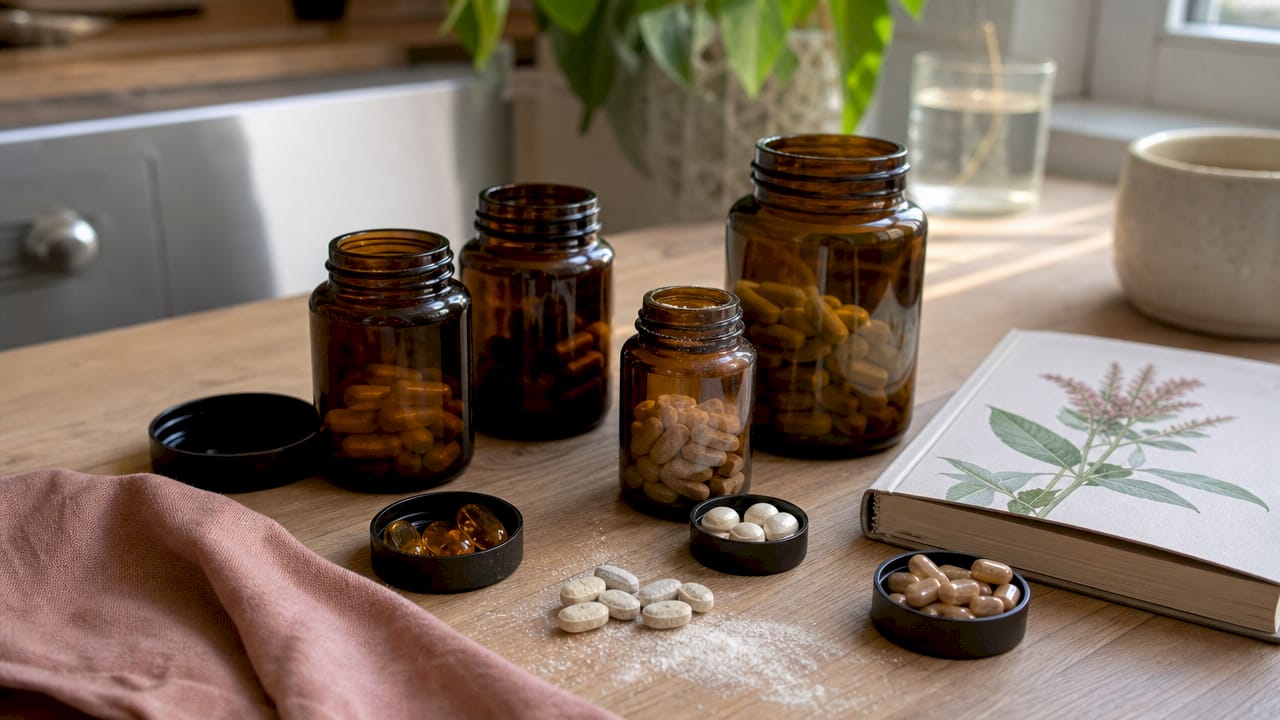
Understanding this specificity protects you from wasting money on products that do not match your actual symptoms. The most effective approach is to identify which deficiency or dysfunction is driving your symptoms, then choose supplements that address that root cause.
2. Vitamin B6, B12, and B3 for estrogen regulation
B vitamins are the most overlooked tools in hormonal health. B6, B12, and B3 regulate estrogen levels and support adrenal hormone production, which directly affects how your body handles stress, energy, and mood.
Vitamin B6 is particularly important for women in their 20s and 30s. It supports the liver’s ability to break down and clear excess estrogen. When estrogen clearance is sluggish, symptoms like bloating, breast tenderness, and mood shifts get worse in the week before your period.
B12 supports the nervous system and red blood cell production, both of which are affected by hormonal fluctuations. B3 (niacin) aids in the detoxification pathways that process used hormones. Together, these three B vitamins form a foundational layer of hormonal support that many women are deficient in, especially those on oral contraceptives.
3. Magnesium for cortisol control and PMS relief
Magnesium deficiency affects up to 50% of Americans, making it one of the most common and correctable drivers of hormonal symptoms. Supplementing 200–400 mg daily supports cortisol regulation and reduces the physical and emotional symptoms of PMS.
Magnesium works by calming the hypothalamic-pituitary-adrenal (HPA) axis, which is the system that controls your stress hormone output. When that axis is overactive, cortisol stays elevated, which suppresses progesterone and disrupts the entire hormonal cycle. Magnesium brings that system back into a normal range.
Magnesium, Vitamin B6, and calcium have clinical research support for reducing PMS symptoms including mood changes, cramps, and bloating. This combination is one of the most evidence-backed approaches for women dealing with monthly hormonal discomfort.
Pro Tip: Take magnesium glycinate or magnesium bisglycinate in the evening. These forms absorb better than magnesium oxide and also support sleep quality, which is a key pillar of hormonal health.
4. Vitamin D3 for testosterone and hormonal function
Vitamin D3 is technically a hormone precursor, not just a vitamin. Correcting a Vitamin D3 deficiency has measurable effects on testosterone levels and overall hormonal function. Supplementing at 3,332 IU per day increased total testosterone by 25.2% in deficient individuals over 12 months.
For women, testosterone is not just a male hormone. It plays a direct role in energy, libido, muscle tone, and mood. Low testosterone in women aged 20–40 often goes undiagnosed because it is not routinely tested.
Vitamin D3 deficiency is widespread, particularly in northern climates and among women who spend most of their time indoors. A simple blood test can confirm your levels. If you are below 30 ng/mL, supplementation is one of the highest-return interventions you can make for hormonal health.
5. Ashwagandha for stress hormones and thyroid support
Ashwagandha is an adaptogenic herb with strong clinical evidence behind it. At 600 mg per day, ashwagandha reduces serum cortisol by 27.9% over 60 days, based on a randomized controlled trial published in the Indian Journal of Psychological Medicine. That is a significant reduction in the hormone most responsible for disrupting the rest of your hormonal system.
Chronic high cortisol suppresses thyroid function, disrupts the menstrual cycle, and accelerates estrogen dominance. Ashwagandha addresses the upstream cause rather than the downstream symptoms. It also shows potential thyroid benefits, which matters for women whose fatigue and weight changes are driven by subclinical hypothyroidism.
One caution: ashwagandha can stimulate thyroid activity. Women already on thyroid medication should consult a healthcare provider before adding it. This is not a reason to avoid it. It is a reason to use it with proper guidance.
6. Zinc for hormone synthesis and restoration
Zinc supports testosterone synthesis and plays a direct role in hormone restoration after deficiency. It is also critical for the production of follicle-stimulating hormone (FSH) and luteinizing hormone (LH), both of which regulate ovulation and the menstrual cycle.
Women with hormonal acne often have low zinc levels. Zinc reduces the activity of 5-alpha reductase, the enzyme that converts testosterone into its more potent form, dihydrotestosterone (DHT). DHT is the primary driver of hormonal breakouts and hair thinning in women.
Zinc is best absorbed in its bisglycinate or picolinate forms. Food sources include pumpkin seeds, oysters, and beef, but supplementation is often necessary to reach therapeutic levels when symptoms are present.
7. Omega-3 fatty acids for inflammation and skin health
Omega-3 fatty acids reduce inflammation that disrupts hormone production and support cell membrane health, which is how hormones communicate between cells. Without healthy cell membranes, hormone signals do not transmit properly, even when hormone levels are technically normal.
The skin benefits of balancing hormones naturally are closely tied to omega-3 intake. Inflammation is a root driver of hormonal acne, and omega-3s from fish oil or algae-based supplements directly reduce the inflammatory markers that trigger breakouts and skin sensitivity.
Women aged 20–40 with irregular cycles, mood swings, or skin flares often see improvement within 8–12 weeks of consistent omega-3 supplementation. The standard therapeutic dose is 2–3 grams of combined EPA and DHA daily.
8. Inositol for PCOS and insulin sensitivity
Inositol improves insulin sensitivity and lowers testosterone in women with PCOS, making it one of the most targeted supplements for this condition. PCOS affects roughly 1 in 10 women of reproductive age, and insulin resistance is a core driver in most cases.
When insulin is chronically elevated, the ovaries produce more testosterone. That excess testosterone disrupts ovulation, causes acne, and contributes to irregular cycles. Inositol, specifically the myo-inositol and D-chiro-inositol combination, addresses this pathway directly.
Inositol also supports menstrual regularity in women who do not have PCOS but experience insulin-related cycle disruption. It is one of the few supplements with a clear mechanism and consistent clinical results for hormonal cycle support.
9. How supplements fit into a full hormone health strategy
Supplements offer secondary support, not a primary solution. Hormones respond best to lifestyle foundations first. Sleep, stress management, nutrition, and exercise are the pillars that supplements build on.
“Hormones respond best to lifestyle foundations like sleep, stress management, and nutrition. Supplements are secondary, complementary support.” — Medical expert consensus, MindBodyGreen, 2026
The most effective approach to natural hormone balancing combines:
- Sleep: 7–9 hours supports cortisol rhythm and growth hormone release
- Nutrition: Mediterranean and DASH diet patterns reduce inflammatory load and support estrogen metabolism
- Stress management: Chronic stress is the single biggest disruptor of hormonal cycles
- Exercise: Moderate resistance training supports insulin sensitivity and testosterone balance
- Tracking: Wearables that monitor heart rate variability and skin temperature are emerging tools to track hormonal health progress alongside supplements
Supplements fill the gaps that lifestyle alone cannot close, particularly when deficiencies are confirmed by blood work. They are most effective when layered onto a solid foundation, not used as a shortcut around one.
10. How to choose hormone supplements safely
Contamination and inaccurate dosing are real risks in the supplement industry. The FDA does not evaluate supplements for safety or effectiveness before they reach shelves. This means quality varies widely between brands.
When selecting supplements for hormonal health, apply these criteria:
- Third-party testing: Look for NSF International, USP, or Informed Sport certification on the label
- Transparent labeling: Avoid proprietary blends that hide individual ingredient doses
- Clinically studied forms: Choose magnesium glycinate over oxide, zinc picolinate over sulfate
- Healthcare consultation: Get blood work before starting, especially for Vitamin D3 and zinc
- Realistic expectations: No supplement will rebalance hormones in two weeks. Most require 60–90 days of consistent use
Pro Tip: Start with one or two supplements at a time. Adding five at once makes it impossible to identify what is working or causing a reaction.
11. Supplements matched to common symptoms in women aged 20–40
Specific supplements map directly to the most common hormonal symptoms women in this age group experience.
| Symptom | Most Supported Supplement | Mechanism |
|---|---|---|
| PMS mood and cramps | Magnesium + Vitamin B6 | Cortisol regulation, estrogen clearance |
| Hormonal acne | Zinc + Omega-3s | DHT reduction, inflammation control |
| Irregular cycles (PCOS) | Inositol | Insulin sensitivity, testosterone reduction |
| Fatigue and low energy | Vitamin D3 + B12 | Testosterone support, nervous system function |
| Stress-related cycle disruption | Ashwagandha | Cortisol reduction, HPA axis regulation |
Matching supplements to symptoms is more effective than taking a broad-spectrum product. When you know your primary complaint, you can prioritize the two or three supplements with the strongest evidence for that specific issue.
Key takeaways
The most effective approach to hormonal health combines targeted supplementation with lifestyle foundations, using each supplement to correct a specific deficiency or support a defined hormonal pathway.
| Point | Details |
|---|---|
| Supplements correct deficiencies | They work by filling nutritional gaps, not by directly adding hormones to your system. |
| Lifestyle comes first | Sleep, nutrition, and stress management are the foundation that supplements build on. |
| Match supplement to symptom | Magnesium for PMS, inositol for PCOS, ashwagandha for stress-driven disruption. |
| Quality matters | Choose third-party tested brands and confirm deficiencies with blood work before starting. |
| Results take time | Most supplements require 60–90 days of consistent use before measurable hormonal changes occur. |
What I actually think about hormone supplements
The honest case for supplements, and where they fall short
I have spent years reading the research on hormone health, and the most important thing I have learned is this: supplements are tools, not treatments. The women who get the most out of them are the ones who already have their sleep and stress reasonably under control. The women who struggle are the ones who expect a capsule to fix what a chaotic lifestyle is actively breaking.
That said, I think the skepticism around hormone supplements goes too far in the other direction. Magnesium deficiency is genuinely widespread. Vitamin D insufficiency is the norm in most American cities. These are not invented problems. Correcting them with targeted supplementation produces real, measurable changes in how you feel month to month.
The part that frustrates me is the marketing. Brands sell “hormone balance” like it is a single switch you can flip. It is not. Hormonal health is a system with multiple inputs. Supplements address specific inputs. When you pick the right one for your actual deficiency, the effect is real. When you pick based on a trending ingredient, you are mostly paying for placebo.
My honest advice: get blood work done first. Know your Vitamin D level, your zinc, your ferritin. Then choose supplements based on what your body actually needs. That approach, combined with the lifestyle foundations, is where the real hormone balance advantages show up.
— Zamanee
Florvahealth’s approach to hormonal wellness
Knowing which supplements support your hormones is the first step. Finding a system that puts them together thoughtfully is the next one.
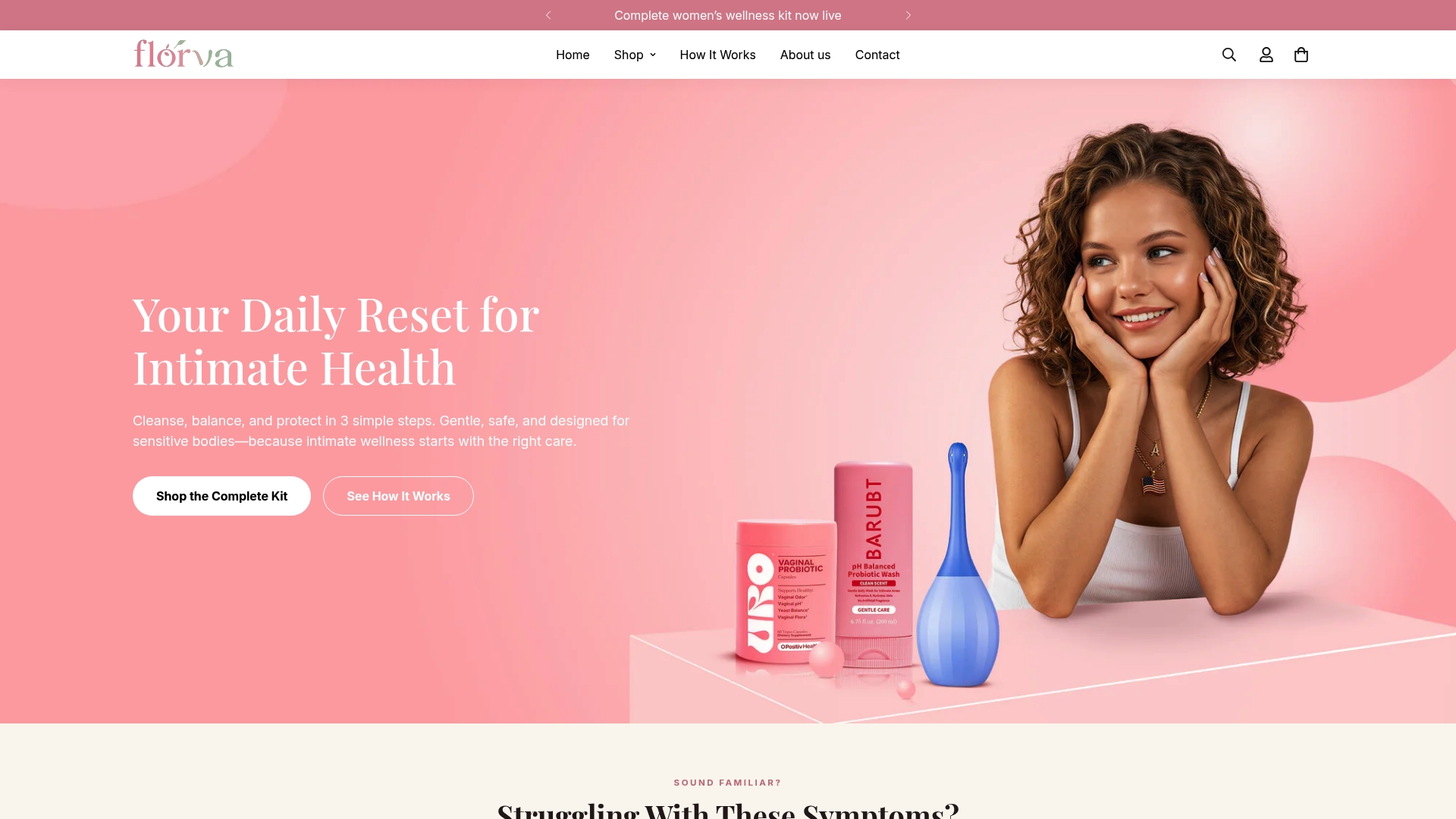
Florvahealth’s range is built around the gut, skin and hormone connection covered in this article. It pairs internal support, women’s vaginal probiotic capsules and digestive enzyme capsules, with gentle skin and intimate care. It is not a hormone treatment, so it works alongside the supplements covered above, not in place of them. Florvahealth focuses on non-medicated support for women who want long-term habits, not short-term fixes.
FAQ
What are the main benefits of hormone balancing supplements?
Hormone balancing supplements correct specific nutritional deficiencies that disrupt hormone production and regulation. The most evidence-backed benefits include reduced PMS symptoms, improved insulin sensitivity, lower cortisol, and better menstrual regularity.
How long does it take for hormone supplements to work?
Most hormone-supporting supplements require 60–90 days of consistent use before producing measurable changes. Ashwagandha shows cortisol reduction within 60 days at 600 mg per day, based on clinical trial data.
Can I balance hormones naturally at home without supplements?
Lifestyle changes including sleep, stress management, and an anti-inflammatory diet are the foundation of natural hormone balancing. Supplements provide secondary support, particularly when blood work confirms a specific deficiency.
Are hormone balancing supplements safe?
Safety depends on product quality. Contamination and inaccurate dosing are real risks in the supplement industry. Choose brands with third-party certification and consult a healthcare provider before starting, especially if you take medication.
Which supplement is best for hormonal acne?
Zinc and omega-3 fatty acids have the strongest evidence for hormonal acne. Zinc reduces DHT activity, which drives breakouts, while omega-3s lower the inflammation that triggers skin flares.
Recommended
- Florva Health: probiotics, intimate care and skincare
- Digestive Enzyme Capsules
- Women's Vaginal Probiotic Capsules
- About Us
Sources
- Chasteberry: Usefulness and Safety — NIH National Center for Complementary and Integrative Health
- Magnesium in diet — MedlinePlus, National Library of Medicine
- Vitamin D — MedlinePlus, National Library of Medicine


