

Hormone stability is defined as the body’s ability to maintain consistent hormonal levels without sharp spikes or crashes that disrupt physical and emotional health. The role of snacks in hormone stability is direct: what you eat between meals either steadies your blood sugar or throws it off, and blood sugar is the master dial for hormones like insulin, cortisol, estrogen, and progesterone. Women aged 20–40 face unique hormonal demands tied to menstrual cycles, stress, and metabolic shifts. Getting snacking right is one of the most practical tools available for managing those demands every single day.
How do balanced snacks affect blood sugar and hormonal health?
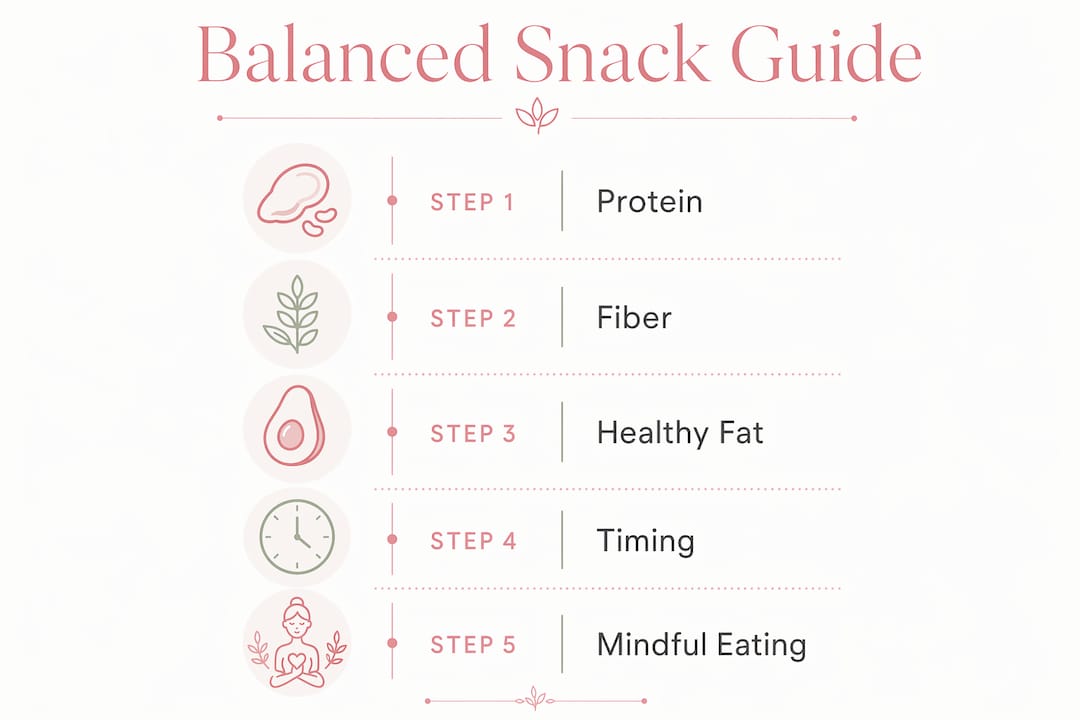
Blood sugar regulation is the foundation of hormone regulation through diet. Every time you eat, your body releases insulin to move glucose into cells. When that glucose spike is too high, too fast, the hormonal ripple effect goes far beyond energy levels.
High glycemic snacks trigger rapid insulin surges that stimulate androgen overproduction in the ovaries. For women dealing with PCOS or hormonal acne, this single mechanism explains why a bag of pretzels or a rice cake can worsen symptoms within hours. The connection is biochemical, not abstract.
Cortisol follows a similar pattern. When blood sugar drops sharply after a high glycemic snack, the adrenal glands release cortisol to bring glucose back up. Repeated cortisol spikes suppress progesterone production over time. Low progesterone relative to estrogen creates the hormonal imbalance behind PMS, mood swings, and irregular cycles.
The fix is structural. A gold-standard hormonal snack combines at least two of the following: protein, fiber-rich carbohydrates, and healthy fats. This combination slows glucose absorption and prevents the spike-crash cycle that stresses the hormonal axis. Think almond butter on apple slices, Greek yogurt with flaxseed, or a hard-boiled egg with cucumber.
- Protein slows gastric emptying and blunts insulin response.
- Fiber feeds gut bacteria that metabolize estrogen and slows glucose entry into the bloodstream.
- Healthy fats (from avocado, nuts, or seeds) support the production of steroid hormones including estrogen and progesterone.
Pro Tip: Aim to include at least two of the three macronutrient categories in every snack. A single-ingredient snack, like plain fruit or plain crackers, almost always misses this mark.
What snacking mistakes disrupt hormone balance?
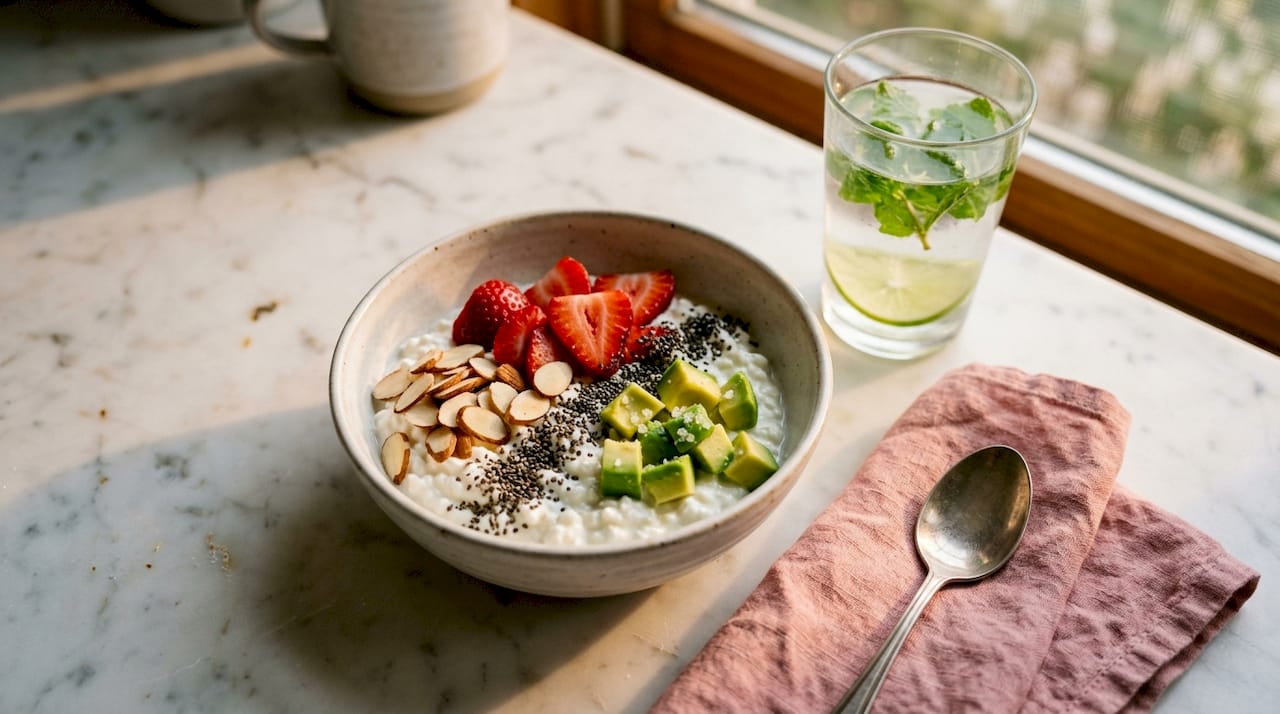
The most common snacking mistake is eating foods that appear healthy but lack the nutrients needed to buffer blood sugar. This is where the impact of snacks on hormonal health becomes counterintuitive.
Fruit is the clearest example. An apple alone is nutritious, but fruit without protein or fat can rapidly elevate blood sugar and disrupt the cortisol-insulin balance just as effectively as a cookie. Pairing that apple with almond butter changes the entire hormonal response. The fruit did not become less healthy. The context changed everything.
Refined sugar snacks are a more obvious problem. Frequent refined sugar consumption activates the cortisol-insulin axis repeatedly, suppressing progesterone and promoting estrogen dominance. Estrogen dominance shows up as PMS, bloating, hormonal acne, and heavy periods. These are not random symptoms. They trace back to a pattern of snack choices made daily.
“Refined snacks cause glycemic crashes that stress the hormonal axis. The result is a cycle of progesterone suppression and rising estrogen that worsens PMS, acne, and mood instability. Breaking that cycle starts with what you reach for between meals.”
Common snacks to reconsider for hormone health include:
- Flavored rice cakes (high glycemic index, no protein or fat)
- Low-fat fruit yogurt (often high in added sugar, low in protein)
- Granola bars (most contain refined sugars and minimal fiber)
- Crackers alone (refined carbohydrates with no buffering nutrients)
- Fruit juice (concentrated sugar with no fiber to slow absorption)
The pattern across all of these is the same: fast glucose, no buffer, hormonal stress response. Recognizing this pattern is the first step toward choosing differently.
How to build hormone-supportive snacks
The gold-standard formula for snacking for hormonal stability is protein plus fiber plus healthy fat. You do not need all three in every snack, but hitting at least two of the three consistently makes a measurable difference in how your hormones behave across the day.
Nutrient timing matters as much as nutrient content. Strategic snacking works best to bridge long gaps between meals, not as a habit of constant grazing. Well-balanced main meals can reduce the biological need for frequent snacks. If you find yourself snacking every 90 minutes, that is a signal your meals need more protein and fiber, not that you need more snacks.
| Snack component | Hormonal benefit | Example foods |
|---|---|---|
| Protein | Blunts insulin response, supports progesterone | Greek yogurt, eggs, edamame, cottage cheese |
| Fiber-rich carbs | Feeds estrobolome, slows glucose absorption | Apple, berries, oats, flaxseed |
| Healthy fats | Supports steroid hormone production | Avocado, walnuts, chia seeds, almond butter |
| Magnesium-rich foods | Supports cortisol regulation and sleep | Pumpkin seeds, dark chocolate (70%+), spinach |
Practical hormone-supportive snack combinations include:
- Celery with almond butter and a sprinkle of hemp seeds
- Cottage cheese with blueberries and walnuts
- A hard-boiled egg with half an avocado
- Edamame with a pinch of sea salt
- Plain Greek yogurt with ground flaxseed and a few raspberries
Pro Tip: Prepare two or three snack combinations at the start of each week. Having them ready removes the moment of decision when hunger hits and willpower is lowest.
Mindful snacking practice also shapes hormonal outcomes. Sitting down, eating slowly, and removing distractions during snack time all support better digestion and hormone regulation. The environment of eating is not separate from the nutrition. It is part of it.
How does gut health connect to hormone balance through snacks?
The gut and the endocrine system are in constant communication. A specific community of gut bacteria called the estrobolome produces enzymes that metabolize and clear excess estrogen from the body. When the estrobolome is well-fed and diverse, estrogen clearance works efficiently. When it is disrupted, estrogen recirculates and builds up.
Fiber-rich snacks feed the estrobolome directly. Fiber supports the gut bacteria responsible for estrogen metabolism, reducing the risk of estrogen dominance. This is why a snack of apple slices with almond butter does more than stabilize blood sugar. It actively supports the hormonal clearance system. The gut microbiome’s role in clearing estrogen is one of the most underappreciated mechanisms in women’s hormonal health.
Fiber also binds to excess estrogen in the digestive tract and carries it out of the body before it can be reabsorbed. Low fiber intake allows that estrogen to re-enter circulation, compounding estrogen dominance symptoms. Most women eat well below the recommended fiber intake daily, which means snacks are a real opportunity to close that gap.
Fiber-rich snack ideas that support the gut-hormone connection include:
- Raspberries or blackberries (among the highest fiber fruits per serving)
- Chia seed pudding made with unsweetened almond milk
- Roasted chickpeas (protein and fiber in one)
- Flaxseed stirred into yogurt (also contains lignans that support estrogen balance)
- Raw vegetables with hummus (fiber plus plant protein)
The skin-hormone connection runs through this same gut pathway. When estrogen clearance improves, hormonal acne and skin inflammation often follow. Snacking for gut health is not just a digestive strategy. It is a skin strategy too.
Key Takeaways
Snacks that combine protein, fiber, and healthy fats are the most direct dietary tool women have for maintaining hormone stability between meals.
| Point | Details |
|---|---|
| Blood sugar drives hormones | Rapid glucose spikes from poor snacks trigger insulin and cortisol surges that suppress progesterone. |
| Use the two-of-three formula | Every snack should include at least two of protein, fiber-rich carbs, and healthy fats to buffer blood sugar. |
| Gut health clears estrogen | Fiber-rich snacks feed the estrobolome, the gut bacteria that metabolize and remove excess estrogen. |
| Fruit alone is not enough | Pairing fruit with protein or fat prevents the blood sugar spike that disrupts the cortisol-insulin axis. |
| Strategic timing beats constant grazing | Snack to bridge long meal gaps, not as a habit. Better main meals reduce the need for frequent snacking. |
What I’ve learned about snacking and hormones that most articles miss
Most conversations about snacking and hormones focus entirely on what you eat. The how and where matter just as much, and that part rarely gets enough attention.
Mindful eating activates the vagus nerve, which directly supports digestive efficiency and hormonal regulation. Sitting down to eat a snack, even for five minutes, is not a luxury. It is a physiological act that changes how your body processes food and manages stress hormones. Eating standing at the kitchen counter while scrolling your phone is a different hormonal event than sitting quietly and actually tasting what you eat.
I have also noticed that cravings carry information. Salty snack cravings often signal a need for sodium, potassium, or magnesium, minerals that fluctuate with menstrual hormone changes. Reaching for chips is not random. Your body is asking for something specific. The better response is pumpkin seeds, a small handful of olives, or even a pinch of sea salt on avocado. Same mineral signal, far better hormonal outcome.
The pattern I see most often is women eating snacks that look healthy on paper but function like sugar delivery systems in the body. A low-fat fruit yogurt with 20 grams of added sugar is not a hormone-supportive snack. It is a cortisol trigger with good marketing. Reading ingredient labels and asking “where is the protein, where is the fat?” cuts through most of the confusion.
Snacking for hormonal stability is a practice, not a perfect system. Some days you grab what is available. The goal is to shift the default, not achieve perfection. Build two or three reliable snack combinations you actually enjoy, and let those carry most of the work.
— Zamanee
Florvahealth and your hormone balance routine
Snacking well is a powerful foundation, but it works best as part of a broader approach to hormonal health.
Florvahealth’s range is built to support what smart snacking starts: probiotics for gut health, digestive enzyme capsules for easier digestion, and gentle cleansers for breakout-prone skin. Florvahealth products are designed to complement the food choices you are already making, not replace them.
FAQ
What is the role of snacks in hormone stability?
Snacks regulate blood sugar between meals, which directly controls insulin and cortisol output. Stable blood sugar prevents the hormonal spikes that suppress progesterone and drive estrogen dominance.
Which snacks are best for hormone balance?
The best snacks for hormone support combine protein, fiber, and healthy fats. Examples include Greek yogurt with flaxseed, almond butter on apple slices, and hard-boiled eggs with avocado.
Can healthy snacks still disrupt hormones?
Yes. Snacks that lack protein or fat, like plain fruit or rice cakes, can spike blood sugar and stress the cortisol-insulin axis even when they contain vitamins and natural ingredients.
How does fiber in snacks support estrogen balance?
Fiber feeds the estrobolome, the gut bacteria that metabolize and clear excess estrogen. Regular fiber intake from snacks reduces estrogen reabsorption and lowers the risk of estrogen dominance symptoms like PMS and acne.
How often should women snack for hormonal health?
Snacking works best to bridge long gaps between meals, not as constant grazing. Well-balanced meals with adequate protein and fiber reduce the need for frequent snacks and support more stable hormone levels throughout the day.
Recommended
- Simple Skin Care and Hormones: Your Practical Guide
- Florva Health: probiotics, intimate care and skincare
- Top 3 shala.com Alternatives for Women’s Health 2026
- Digestive Enzyme Capsules
Sources
- Blood Glucose — MedlinePlus, National Library of Medicine
- Dietary Fiber — MedlinePlus, National Library of Medicine
- Healthy Eating — Office on Women's Health


