

The fastest, safest way to soothe breast tenderness from PMS is a well-fitted supportive bra combined with a warm or cold compress and, if needed, a short course of an over-the-counter NSAID. For longer relief, Vitamin E has clinical backing, and cutting caffeine and salt during the week or two before your period helps too. Most cyclic breast pain is normal, but a new lump or pain lasting past your period deserves a checkup.
TL;DR:
- Applying warm or cold compresses and wearing a looser, soft-support bra can rapidly reduce cyclic breast pain and discomfort.
- Vitamin E supplementation at 200 to 400 IU daily shows measurable benefits in pain reduction after two months of consistent use.
- Cutting caffeine and salt during the luteal phase helps decrease fluid retention, a common trigger for breast tenderness.
- If pain persists beyond two weeks, or a lump or nipple discharge appears, a medical checkup is necessary to rule out underlying issues.
- Combining internal support, probiotics, and external relief tools addresses hormonal causes of breast tenderness more effectively than symptom-focused treatments.
Table of Contents
- Quick Relief Tactics You Can Try Tonight
- Which Supplements Actually Help With Breast Pain?
- Diet and Lifestyle Changes That Ease Tenderness
- When Should You See a Doctor About Breast Pain?
- Why Inside-Out Care Beats Symptom Chasing
- Find Your Cycle-Aware Relief Routine
- Sources
Quick Relief Tactics You Can Try Tonight
Cyclic breast pain, known medically as mastalgia, responds well to a handful of low-effort moves you can start before bed. Warm compresses relax tight breast tissue, while cold packs numb the sharper, throbbing kind of ache. Saint John’s Cancer Institute notes both approaches are standard, low-risk recommendations, so it’s worth trying each to see which your body responds to. A warm compress works best held against the breast for several minutes, while a cold pack (wrapped in a thin towel, never applied directly to skin) should be used for short intervals to avoid skin damage.
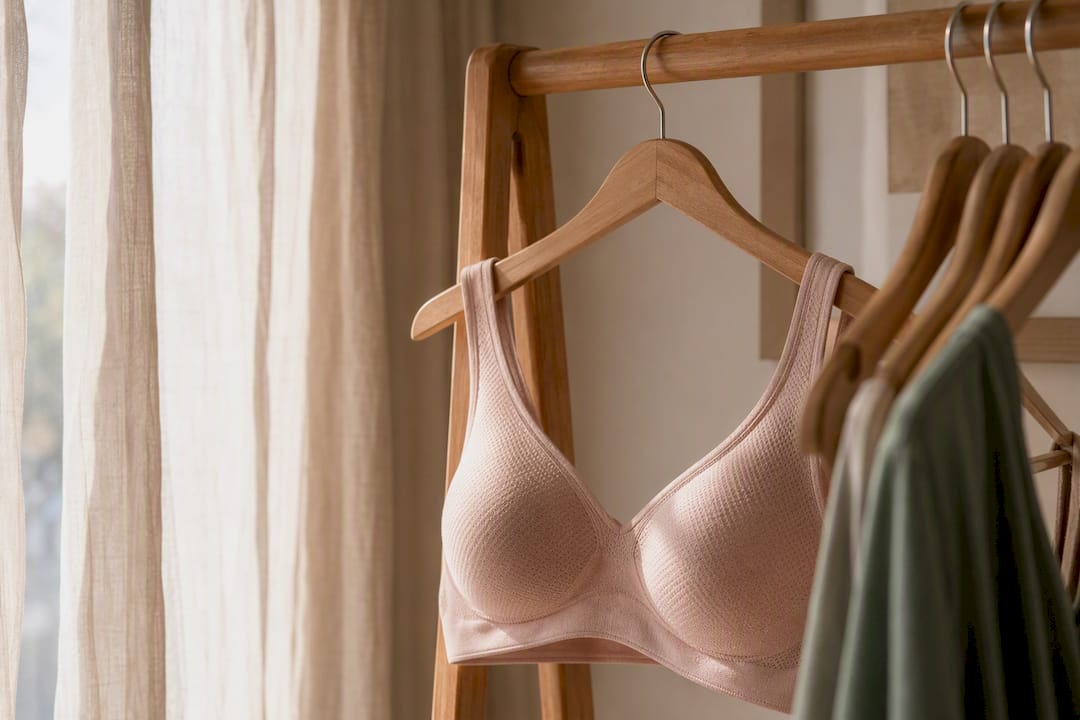
Your bra matters more than most people realize. Breast tissue swells and shifts shape during the luteal phase due to fluid retention, so a bra that fits fine on day 10 of your cycle can feel too tight or unsupportive by day 24, according to Johns Hopkins Medicine. Many women benefit from keeping a slightly looser, soft-support bra, sometimes called a “PMS bra” or a nightly wireless style, in rotation for those tender days, an approach echoed by fit specialists at Austin Regional Clinic.
For medication, oral NSAIDs like ibuprofen work faster and more predictably, but topical NSAID gels rubbed directly onto the breast can ease localized soreness with less systemic exposure. Either option is a reasonable first-line choice, per Cleveland Clinic, but check with your provider first if you’re on blood thinners or have a history of stomach ulcers.
Tonight’s checklist:
- Apply a warm or cold compress for 10 to 20 minutes.
- Switch to a softer, better-fitted bra, including overnight if needed.
- Take an oral NSAID or apply a topical version if pain is disrupting sleep or focus.
Pro Tip: Keep both a warm compress and a cold pack on hand. Some women find warmth works better early in the tenderness cycle and cold works better once the ache turns sharp.
Which Supplements Actually Help With Breast Pain?
Not every supplement marketed for PMS has real evidence behind it, but a few do. Vitamin E has the strongest data: a randomized, double-blind trial found meaningful improvement in both the severity and duration of breast pain, with measurable benefit showing up at the 2-month and 4-month marks. Trials commonly used doses between 200 and 400 IU daily, and the key point is patience. This isn’t a same-week fix.
Evening primrose oil, rich in the fatty acid GLA, is the other supplement women ask about most. The evidence is mixed and often modest, but some clinicians pair it with Vitamin E on the theory that the two work through different pathways, according to a review of GLA research. Magnesium is a reasonable add-on too, particularly if bloating and irritability ride along with your breast soreness, though the research specific to breast tenderness alone is thinner than for Vitamin E.
What the evidence supports:
- Vitamin E: 200 to 400 IU daily, benefit typically visible by 2 months.
- Evening primrose oil: often combined with Vitamin E, evidence modest.
- Magnesium: may help related PMS symptoms, dosing varies by individual tolerance.
Practitioners generally recommend testing one supplement at a time, giving it at least two months before judging results, according to guidance from Cambridge University Hospitals. Stacking three new supplements in the same week makes it impossible to know what’s actually working, or what’s causing an unexpected side effect. If you’re pregnant, breastfeeding, or taking other medications, run any new supplement by your provider first, since even “natural” options can interact with blood thinners or hormonal medications.
Pro Tip: If you start a second supplement, stagger it by 6 to 8 weeks after the first so you can actually isolate which one is helping.
Diet and Lifestyle Changes That Ease Tenderness
What you eat and how you move in the two weeks before your period can measurably change how tender your breasts feel; for practical dietary and behavioral tactics for PMS symptom management, consider science-backed ways to stop fighting your body. None of these changes work overnight, but stacked together over a cycle or two, they add up.
- Cut caffeine and salt starting mid-cycle. Both contribute to fluid retention, and reducing them in the luteal phase is a commonly recommended first step, per Cleveland Clinic. Swap your afternoon coffee for decaf and skip the extra salt on takeout during that window.
- Favor low-impact movement during peak tenderness. Walking, swimming, or yoga keeps circulation moving without the jarring impact of running or high-intensity intervals, which can aggravate already-sensitive tissue.
- Build in stress-reduction time. Cortisol and perceived pain are linked, so even 10 minutes of deep breathing or a short walk outside can dial down how intense the soreness feels.
- Protect your sleep. Poor sleep amplifies pain sensitivity across the board, and consistent evening routines are associated with milder PMS symptoms overall.
Pair one lifestyle change with your supplement trial rather than overhauling everything at once. If you cut caffeine and start Vitamin E in the same week, you won’t know which one deserves the credit two months from now.
Pro Tip: Track your common PMS triggers for one cycle before changing anything. Patterns show up faster than you’d expect.

When Should You See a Doctor About Breast Pain?
Cyclic mastalgia affects roughly 7 in 10 premenopausal women at some point, typically peaking in the luteal phase and easing once your period starts. That predictability, pain that rises and falls with your cycle, is actually the biggest reassurance that what you’re feeling is hormonal and benign.
That said, certain symptoms warrant a prompt visit rather than a wait-and-see approach:
- A new lump that doesn’t come and go with your cycle.
- Pain that persists more than two weeks or doesn’t ease once your period arrives.
- Nipple discharge, especially if bloody or occurring without squeezing.
- Skin changes on the breast, including redness, dimpling, or thickening.
A simple one-month log helps clarify what’s happening: note the date, your cycle day, which side hurts, a pain score from 1 to 10, any triggers (caffeine, a new bra, exercise), and what relief you tried. Bring that log to your appointment. Clinicians typically start with a history and physical exam, and Mayo Clinic notes that imaging is reserved for focal abnormalities, not routine cyclic soreness. If your exam and history look unremarkable, reassurance and conservative care are the appropriate next step, not a battery of scans.
Why Inside-Out Care Beats Symptom Chasing
Most breast tenderness advice treats the breast like an isolated problem: numb it, support it, medicate it, done. That misses the bigger picture. Breast tenderness during PMS is a hormonal symptom, and hormones are influenced by gut health, stress load, and inflammation just as much as by the ovaries themselves. Chasing the symptom without addressing what’s driving the hormonal swing means you’re stuck reapplying compresses every single cycle.
Florvahealth’s philosophy starts from that connection. Its range pairs internal support, like probiotic capsules, with external care like a pH-balanced intimate wash, so you support the cycle from both directions instead of just muting the ache.
A simple two-week luteal-phase routine looks like this: in week one, start your daily probiotic and swap in a soft-support bra for sleep. In week two, as tenderness peaks, add a warm or cold compress in the evening, apply a targeted relief patch as needed, and keep caffeine and salt intake lower than usual. If you want the deeper research behind any of these pieces, our guide on holistic PMS management walks through the reasoning in more detail.
If you’re pregnant, breastfeeding, or on prescription medication, talk to your provider before adding any new supplement to your routine.
— Zamanee
Find Your Cycle-Aware Relief Routine
You’ve already read what works: compresses, better bra support, and supplements with real trial data behind them. Florvahealth’s probiotics and digestive enzymes can sit alongside those steps as simple gut support, and relief patches are worth a look for tender, luteal-phase days.
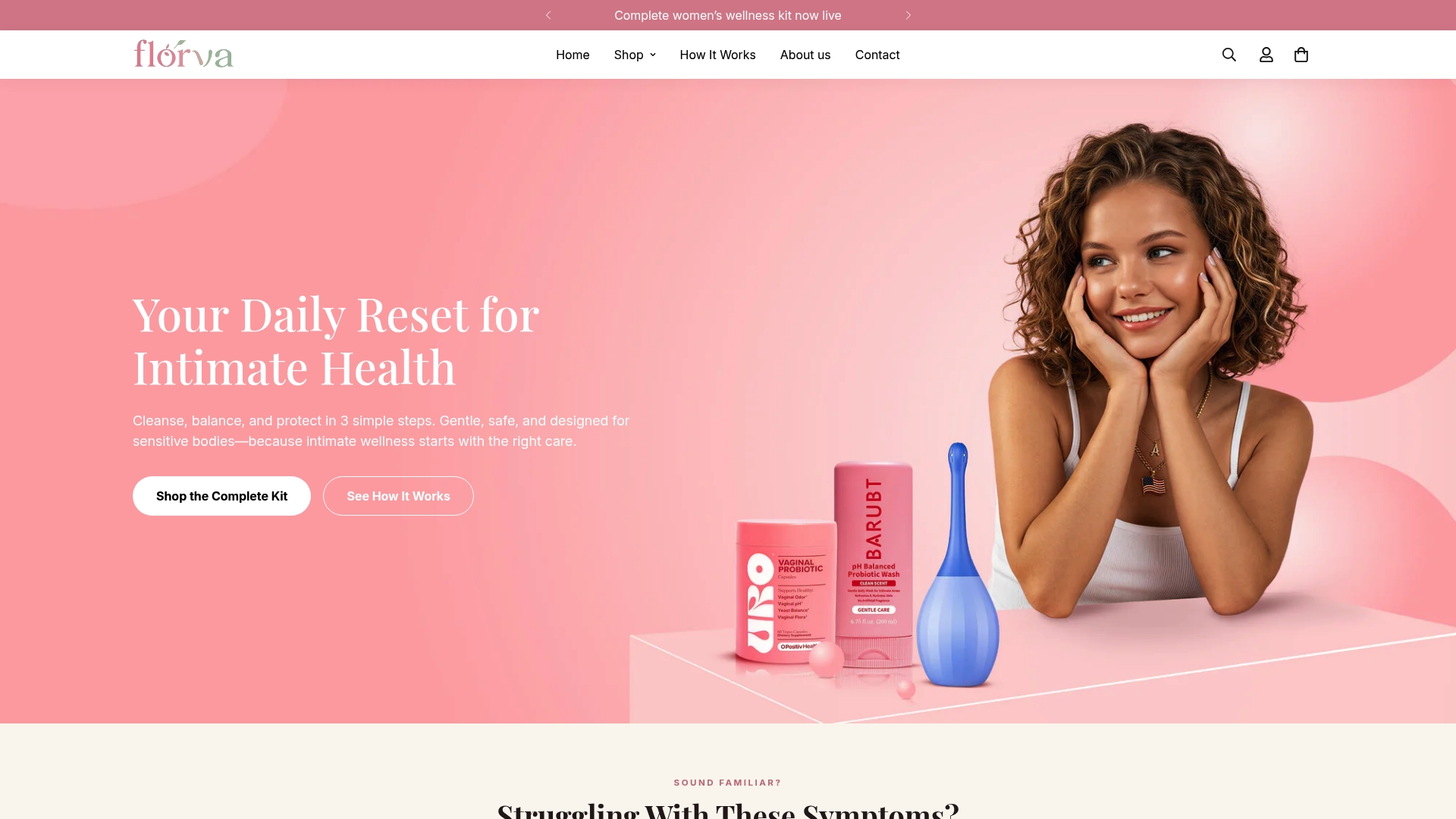
When choosing a product, look for three things: an ingredient list that matches what actually has evidence behind it (like Vitamin E or GLA), clear dosing on the label, and third-party testing where it’s listed. If you want the full picture of how gut health, hormones, and skin clarity connect, the complete women’s wellness collection is a good place to browse. Start by picking one product that matches the relief step you need most this cycle, add it to your routine, and give it the full two months before deciding whether to add a second.
This article is general information, not a substitute for advice from a qualified doctor. Consult a qualified healthcare professional about your own circumstances before acting on anything here.
Sources
- PubMed: Vitamin E trial for mastalgia
- Johns Hopkins Medicine: Mastalgia (breast pain)
- Mayo Clinic: Breast pain — diagnosis and treatment


