

Holistic PMS management best practices are defined as an integrated approach combining evidence-based supplements, lifestyle adjustments, and daily symptom tracking to reduce premenstrual symptoms and support hormonal balance. PMS affects up to 75% of menstruating women in some form. That number makes cycle-aware, natural management a genuine health priority, not a lifestyle preference. The American College of Obstetricians and Gynecologists (ACOG) and the National Institutes of Health (NIH) both recognize natural interventions, including magnesium, calcium, and chasteberry, as valid first-line options. This guide covers what works, what the evidence says, and how to build a protocol that actually holds across multiple cycles.
1. Which supplements work best for PMS relief
The most effective supplements for PMS are magnesium glycinate, calcium, vitamin B6, and chasteberry. Each targets a different cluster of symptoms, and each requires consistent daily use to deliver results.
- Magnesium glycinate reduces bloating, cramps, breast tenderness, and mood symptoms. Multiple trials confirm that magnesium works best when taken throughout the entire cycle, not just in the luteal phase. A typical effective dose is 300–400 mg daily.
- Calcium is especially useful for women with low dietary intake. It reduces fatigue, mood swings, and physical discomfort. Aim for 1,000–1,200 mg daily from food and supplements combined.
- Vitamin B6 supports mood regulation by influencing serotonin production. It offers modest but measurable benefits for irritability and low mood. Vitamin B6 must not exceed 100 mg per day, as higher doses carry a risk of peripheral neuropathy.
- Chasteberry (Vitex agnus-castus) reduces breast tenderness and mood-related symptoms by acting on dopamine receptors. Benefits appear after 2–3 cycles of consistent daily use. Patience is non-negotiable with this one.
One critical point most women miss: taking supplements only during the luteal phase is less effective. Cycle-spanning supplementation prevents symptom intensity from building in the first place. For a deeper look at how these nutrients work together, Florvahealth’s guide on hormone balancing supplements explains the mechanisms clearly.
Pro Tip: Start magnesium and calcium at the same time, but introduce chasteberry separately after four weeks. This lets you identify which supplement is driving any change in your symptoms.
2. How lifestyle habits support hormonal balance
Diet is the fastest lever most women can pull. Blood sugar instability drives cortisol spikes, which disrupt progesterone production and worsen PMS. A diet built around fiber, lean protein, and healthy fats keeps glucose steady and reduces the hormonal cascade that amplifies symptoms.
- Stabilize blood sugar. Eat every 3–4 hours. Prioritize whole grains, legumes, eggs, and avocado. Avoid skipping meals in the week before your period.
- Cut caffeine, sugar, and excess salt. Reducing these three measurably lowers anxiety, irritability, bloating, and sleep disruption. Even cutting caffeine by half in the luteal phase produces noticeable results.
- Exercise 3–4 times per week. Regular moderate aerobic exercise reduces PMS severity at a level comparable to some medications. Walking, cycling, and swimming all qualify. The key is consistency across the full cycle, not just when you feel good.
- Protect your sleep. Poor sleep in the week before menstruation measurably increases symptom severity. Aim for 7–9 hours. Reduce screen exposure after 9:00 PM and keep your bedroom cool.
- Manage stress deliberately. Chronic stress raises cortisol, which competes with progesterone for receptor sites. Practices like yoga, breathwork, and meditation lower cortisol and support hormonal equilibrium. Even 10 minutes of daily breathwork makes a measurable difference over time.
Pro Tip: Treat the luteal phase (roughly days 15–28) as a recovery window. Scale back intense workouts, add one extra sleep hour, and reduce social obligations. Your nervous system will thank you.
Florvahealth’s resource on daily rituals for hormones breaks down how small, consistent habits compound into real hormonal change.

3. Why symptom tracking is the foundation of effective PMS management
Symptom tracking is the only way to know whether your protocol is working. Without data, you are guessing. With it, you can see patterns, adjust your approach, and have a productive conversation with a healthcare provider.
- Track daily for at least two consecutive cycles. ACOG guidelines recommend a minimum of two cycles of daily symptom logging for a valid PMS assessment. One cycle is not enough to separate true PMS from normal hormonal fluctuation.
- Record severity, not just presence. Use a 1–10 scale for each symptom: mood, cramps, bloating, breast tenderness, fatigue, and sleep quality. This granularity reveals which symptoms respond first to your interventions.
- Distinguish PMS from PMDD. Tracking across two cycles is necessary to differentiate PMS from premenstrual dysphoric disorder (PMDD), which requires a different clinical approach. PMDD involves severe mood disruption that significantly impairs daily functioning.
- Use your data to adjust. If bloating improves but mood does not after six weeks of magnesium, that is a signal to add vitamin B6 or reassess your diet. Tracking turns your protocol into a feedback loop rather than a fixed plan.
Apps like a simple notes app, a period tracker, or a dedicated symptom journal all work. The format matters less than the consistency.
4. Additional strategies for deeper PMS support
Gut health and liver function are two factors most PMS guides ignore. Both directly affect how your body processes and clears estrogen.
The gut’s estrobolome, a collection of bacteria that metabolize estrogen, determines how much estrogen gets reabsorbed versus excreted. Gut dysbiosis and sluggish liver detox pathways worsen estrogen dominance, which intensifies bloating, mood swings, and breast tenderness. Supporting gut health with probiotic-rich foods and fiber, and supporting liver clearance with cruciferous vegetables and adequate hydration, addresses PMS at the root.
Functional medicine identifies estrogen dominance, progesterone deficiency, and metabolic imbalances as the core drivers of PMS. Treating symptoms without addressing these roots produces only partial relief. Stress compounds the problem: chronic adrenal activation shifts the body’s resources away from progesterone production, creating a hormonal deficit that worsens premenstrual symptoms.
Emerging natural options worth considering include saffron (shown in small trials to reduce mood-related PMS symptoms) and omega-3 fatty acids (which reduce prostaglandin-driven inflammation and cramps). Both are low-risk additions to an existing protocol.
| Strategy | Primary benefit | Key consideration |
|---|---|---|
| Magnesium glycinate | Cramps, bloating, mood | Take daily throughout cycle |
| Chasteberry | Breast tenderness, mood | Requires 2–3 cycles to work |
| Probiotic-rich diet | Estrogen clearance, gut health | Consistency matters more than dose |
| Omega-3 fatty acids | Inflammation, cramp reduction | 1–2 g EPA/DHA daily |
| Saffron | Mood support | Small trials; promising but early |
One safety note: supplement-drug interactions are real. Chasteberry can interfere with hormonal contraceptives and dopamine-related medications. Always disclose your supplement stack to your doctor before adding new items, especially if you take prescription medications.
Key takeaways
Consistent, cycle-aware supplementation combined with dietary changes, sleep protection, and daily symptom tracking produces the most reliable reduction in PMS symptoms over time.
| Point | Details |
|---|---|
| Supplement timing matters | Take magnesium, calcium, and chasteberry daily across the full cycle, not just the luteal phase. |
| Lifestyle changes compound | Cutting caffeine and sugar, exercising regularly, and protecting sleep reduce PMS severity significantly. |
| Track for at least two cycles | ACOG recommends two consecutive cycles of daily logging to assess PMS accurately and distinguish it from PMDD. |
| Gut and liver health are upstream | Supporting estrogen clearance through diet and probiotics addresses root hormonal imbalances. |
| Safety limits exist | Vitamin B6 must stay below 100 mg per day, and chasteberry requires disclosure to your doctor if you use hormonal contraceptives. |
What I’ve learned from building PMS routines that actually last
Most women come to natural PMS management after years of being told their symptoms are “just hormones.” That dismissal is both frustrating and, frankly, medically inaccurate. PMS has measurable physiological roots, and those roots respond to targeted, consistent intervention.
The mistake I see most often is treating supplements like aspirin: take them when symptoms hit, stop when they ease. Chasteberry and calcium do not work that way. They require weeks of consistent daily use before the hormonal environment shifts enough to produce relief. Women who quit after one cycle miss the window where the real change happens.
The second mistake is chasing a single fix. No supplement alone resolves PMS when the diet is inflammatory, sleep is poor, and stress is unmanaged. The biopsychosocial model of PMS is clear: neurobiological, lifestyle, and psychological factors all interact. Address one and ignore the others, and you get partial results at best.
What actually works is building a protocol you can sustain across three to four cycles without burning out. That means choosing low-effort habits you will actually repeat: a magnesium capsule with dinner, a 30-minute walk four days a week, a consistent bedtime. Small and repeatable beats ambitious and abandoned every time.
If your symptoms are severe, or if tracking reveals a pattern consistent with PMDD, please work with a healthcare provider. Natural interventions are powerful, but they are not a substitute for clinical evaluation when the situation calls for it.
— Zamanee
Florvahealth’s approach to natural PMS symptom support
Women who want a ready-made starting point for natural PMS relief do not need to piece together a protocol from scratch.
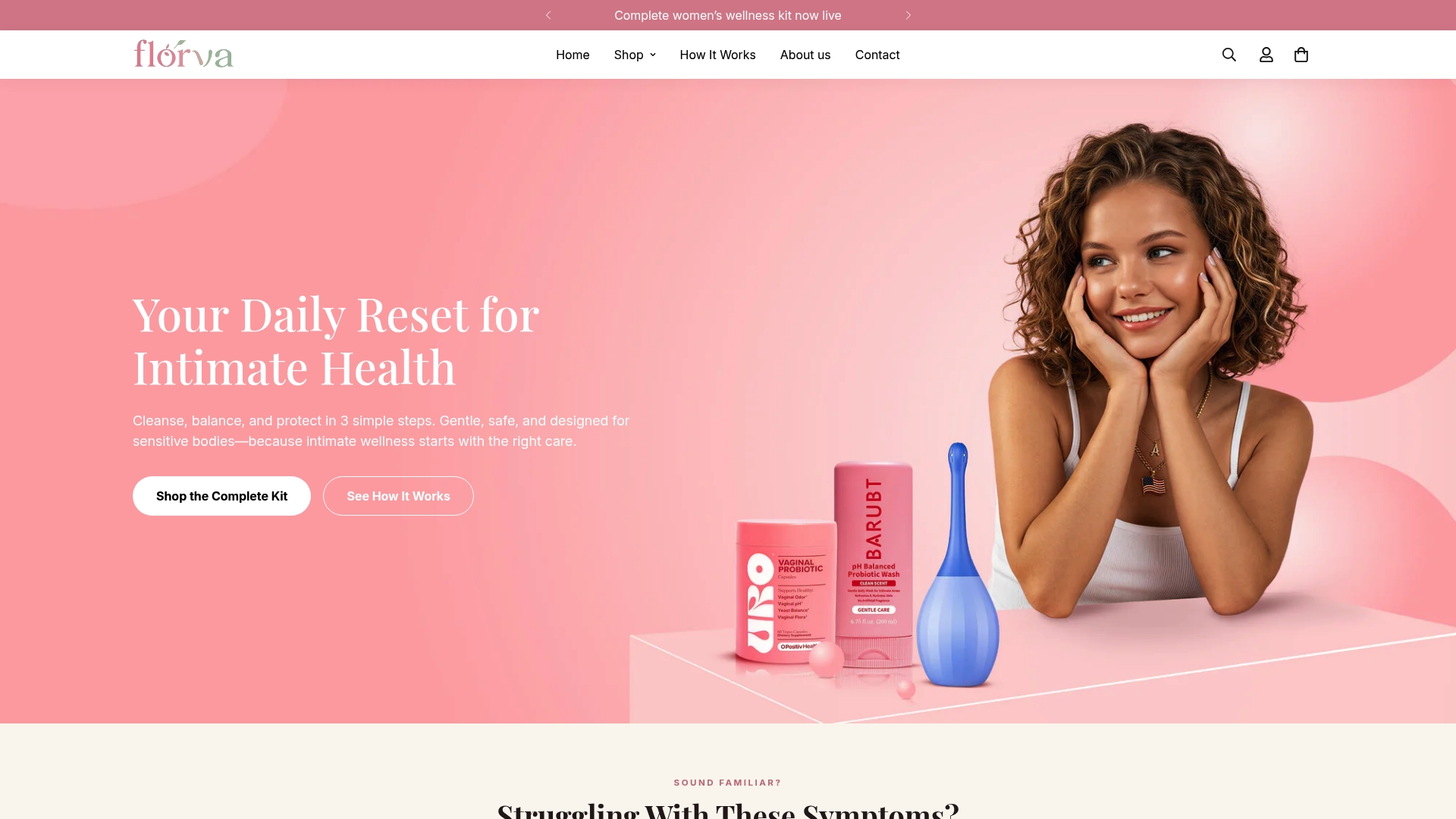
Florvahealth’s range is built around the gut-to-skin link covered here. Digestive enzyme capsules support digestion, women’s probiotic capsules support gut and intimate health, and gentle cleansers look after hormonal skin. None of them treat PMS, and cramping still calls for the habits above. For a non-medicated option that fits a real daily routine, the Florvahealth range is a clear place to start.
FAQ
What are the most effective natural supplements for PMS?
Magnesium glycinate, calcium, vitamin B6, and chasteberry are the best-supported natural supplements for PMS. Each targets different symptoms, and all require consistent daily use across multiple cycles to deliver full benefits.
How long does it take for natural PMS remedies to work?
Most supplements require at least 2–3 full cycles before producing noticeable improvement. Chasteberry in particular needs this time to influence hormonal patterns, so consistent daily use is non-negotiable.
What is the difference between PMS and PMDD?
PMS involves physical and mood symptoms in the luteal phase that resolve after menstruation begins. PMDD is a more severe condition where mood symptoms significantly impair daily functioning and requires clinical evaluation for accurate diagnosis.
Can diet alone reduce PMS symptoms?
Diet changes, particularly reducing caffeine, sugar, and salt while stabilizing blood sugar, produce measurable symptom relief. Combined with exercise and sleep improvements, dietary changes form the foundation of any effective natural PMS protocol.
When should I see a doctor about PMS?
See a healthcare provider if symptoms are severe enough to disrupt work, relationships, or daily functioning, or if two cycles of tracking suggest a pattern consistent with PMDD. Natural interventions work well for moderate PMS but are not a substitute for clinical care in complex cases.
Recommended
- Herbal Supplements for Cycle Balance: What Works
- Manage Hormonal Health on a Budget: 2026 Guide
- Benefits of Hormone Balancing Supplements for Women
- Florva Health: probiotics, intimate care and skincare
Sources
- Premenstrual syndrome (PMS) — Office on Women's Health
- Premenstrual Syndrome (PMS) — American College of Obstetricians and Gynecologists
- Getting Active — Office on Women's Health


