

Aerobic exercise, calcium supplementation, and dietary changes (cutting salt, caffeine, and alcohol) are the natural strategies with the strongest evidence behind them for PMS relief. Most women notice real improvement within a few weeks to about three menstrual cycles, not overnight. Talk to a clinician before starting any supplement, especially if you’re on hormonal birth control or planning pregnancy. Integrated routines can support this plan without replacing it.
TL;DR:
- Consistent aerobic exercise for at least 30 minutes most days helps regulate PMS symptoms like fatigue and fluid retention, with noticeable benefits after several weeks.
- Dietary changes such as reducing salt, caffeine, and alcohol, and increasing complex carbs and calcium-rich foods, can significantly improve mood, bloating, and sleep during the premenstrual phase.
- Taking about 1,200 mg of calcium daily for three months shows the strongest evidence of reducing PMS severity, with magnesium and vitamin D as supporting supplements.
- Tracking symptoms over two menstrual cycles confirms whether PMS is the cause, especially if symptoms consistently ease after the onset of menstruation; severe or worsening symptoms may indicate other conditions.
- A straightforward routine combining regular exercise, sleep hygiene, hydration, and stress management offers the most reliable natural relief, with supplements like chasteberry providing additional benefit, but only when used correctly.
Table of Contents
- What Actually Works for Natural PMS Relief (Ranked by Evidence)
- Which Supplements Actually Help With PMS, and How Much Should You Take?
- What Exercise and Sleep Routine Actually Reduces PMS Symptoms?
- Do Herbal Remedies Like Chasteberry Actually Work for PMS?
- How Do You Know If It’s PMS and Not Something Else?
- FlorvaHealth’s Inside-Out Approach to PMS Support
- What I’ve Learned Watching Women Try to Fix PMS Naturally
- Ready to Build a Routine That Actually Fits Your Cycle?
- Sources
- FAQ
What Actually Works for Natural PMS Relief (Ranked by Evidence)
If you want natural PMS relief that holds up under real research, start with the basics your doctor probably already mentioned and you probably brushed off: movement, food, sleep, and stress. These aren’t filler advice. They’re the foundation every clinical guideline points to before recommending anything else, including medication.
Aerobic exercise leads the list because the evidence is consistent and the mechanism makes sense. Moving your body for at least 30 minutes on most days helps regulate the fatigue, irritability, and fluid retention that define the PMS experience for a lot of women, according to guidance from UMass Memorial Health. You don’t need a marathon training plan. A brisk walk, a swim, a bike ride, anything that gets your heart rate up counts.
Dietary adjustments come next, and they target very specific symptoms. Salt drives water retention and bloating. Caffeine and alcohol both aggravate mood swings and disrupt sleep, which then makes everything else worse. Added sugar spikes and crashes your blood glucose right when your hormones are already creating volatility. Swapping toward complex carbohydrates and calcium-rich foods, think oats, leafy greens, beans, and dairy or fortified alternatives, gives your body steadier fuel during the two weeks before your period when symptoms tend to build.
Hydration deserves more credit than it usually gets. Drinking water consistently, rather than compensating for salty snacks with more caffeine, helps reduce the bloated, sluggish feeling that many women describe as the worst part of their premenstrual week. Pair that with smaller, more frequent meals instead of three large ones, and you avoid the blood sugar dips that intensify cravings, headaches, and mood crashes.
Sleep hygiene and stress reduction round out the list, and they matter more than most PMS advice admits. Poor sleep amplifies every other symptom on this list. Chronic stress keeps cortisol elevated, which interacts with the same hormonal shifts driving PMS in the first place.
Here’s how to think about prioritizing these changes if you’re starting from scratch:
-
Week 1: Add 30 minutes of aerobic movement most days and start tracking your salt, caffeine, and alcohol intake.
-
Week 2: Shift snacks and meals toward complex carbs and calcium-rich foods; cut back caffeine gradually rather than all at once.
-
Week 3: Lock in a consistent sleep schedule, especially in the ten days before your period.
-
Week 4 and beyond: Layer in a stress-reduction practice (breathing exercises, short walks, journaling) and evaluate what’s actually helping.
Lifestyle changes remain the recommended first step before turning to medication, according to patient-education guidance from MedlinePlus. That doesn’t mean lifestyle changes fix everything for everyone. It means they’re the foundation you build on, and for many women, they’re enough on their own or close to it.
The order matters less than consistency. A woman who exercises three days a week and actually sticks with it for two months will likely see more benefit than one who tries a rigid seven-day plan for five days and quits.
Which Supplements Actually Help With PMS, and How Much Should You Take?
Calcium has the best trial support of any PMS supplement on the market, and it’s not close. Here’s the practical breakdown of what to take, how much, and how long to wait before judging whether it’s working.
- Calcium: a daily amount of calcium in the range typically recommended by health sources. Randomized controlled trials show that 1,200 mg of calcium daily can reduce PMS symptom scores substantially, with benefit typically showing up after about three months of consistent use. This is the single supplement most worth trying first.
- Magnesium: roughly half your calcium dose. Health guidance from Williams College’s health center recommends pairing 1,000 to 1,500 mg of calcium with about half that amount in magnesium to help with bloating and mood swings.
- Vitamin D: supportive but secondary. Vitamin D often gets paired with calcium recommendations since the two work together in the body, though the standalone evidence for PMS specifically is thinner than calcium’s track record.
- Vitamin B6: possible benefit, real caution required. Some women report improvement with B6, but high doses carry documented nerve-related risks. Don’t take high-dose B6 without a clinician’s guidance, and never assume more is better.
Quick Stat: Clinical trials on daily calcium supplementation report meaningfully lower PMS symptom scores compared to placebo, with the effect becoming noticeable around the three-month mark of consistent use, not after a single cycle.
Supplement safety isn’t optional reading, it’s the part most PMS guides skip. St. John’s wort, sometimes used for mood support, can interact with hormonal birth control and reduce its effectiveness. That’s a serious interaction, not a footnote. If you’re planning a pregnancy or already pregnant, several supplements marketed for PMS haven’t been evaluated for safety in that context, so check with your provider first.
Before you start anything, walk into your next appointment with three things ready: a list of every supplement and medication you currently take, your symptom pattern over the last two cycles, and a specific question about dosing for your situation. Your clinician can flag interactions you’d never think to Google, and PMS-specific supplement lines from FlorvaHealth’s guide to holistic PMS management walk through how single-ingredient, evidence-backed options compare to blended formulas.
What Exercise and Sleep Routine Actually Reduces PMS Symptoms?
A simple weekly structure beats a complicated one you’ll abandon by day four. Aim for 30 minutes of aerobic activity on most days, a recommendation grounded in clinical lifestyle guidance for managing PMS-related fatigue and fluid retention. That could look like:
- Monday, Wednesday, Friday: A 30 minute brisk walk or jog.
- Tuesday, Thursday: Yoga or swimming, something lower-impact if you’re already feeling fatigued.
- Weekend: One longer activity you actually enjoy, a hike, a dance class, whatever keeps you coming back.
Sleep timing matters most in the luteal phase, the one to two weeks before your period when symptoms peak. Going to bed and waking up at consistent times, even on weekends, helps regulate the hormonal shifts that disrupt rest during this window. Cutting caffeine after early afternoon and dimming screens an hour before bed makes a noticeable difference for a lot of women, and evening routines built around this timing tend to compound the benefit over a full cycle rather than a single night.
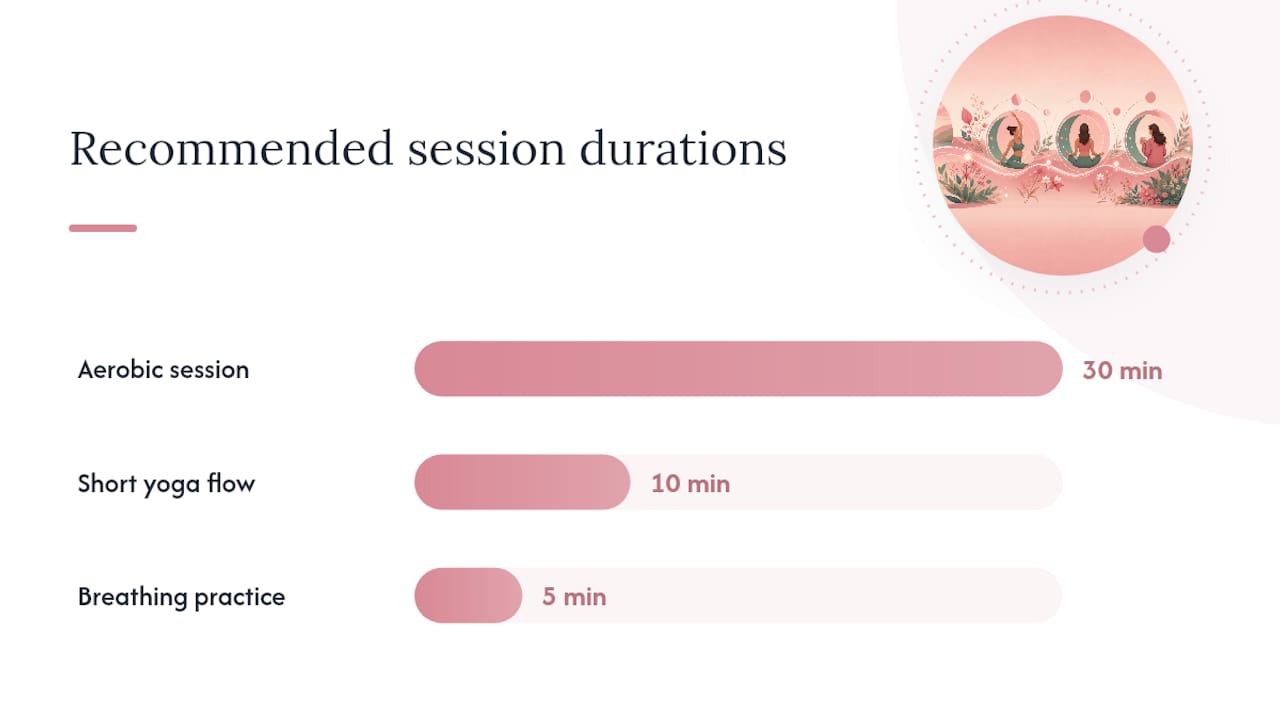
For stress, you don’t need a 45-minute meditation practice you’ll never stick to. Five minutes of slow breathing, a short progressive muscle relaxation session, or a ten-minute yoga flow can lower the physiological stress response enough to blunt irritability and tension. These techniques carry mostly small-trial or observational evidence rather than large randomized data, but the low cost and low risk make them worth trying regardless.
Pro Tip: Set a recurring phone reminder two days before your period is due to start your stress-reduction routine. Starting before symptoms peak works better than trying to calm down once you’re already irritable.
If mood symptoms are severe enough to disrupt work, relationships, or daily functioning, cognitive behavioral therapy is worth discussing with a mental health provider. That’s a different tier of intervention than breathing exercises, and it’s appropriate when lifestyle changes alone aren’t cutting it.
Do Herbal Remedies Like Chasteberry Actually Work for PMS?
Chasteberry, also called Vitex agnus-castus, has the strongest clinical trial support of any herbal PMS remedy. A randomized, placebo-controlled study published in BMJ found meaningfully higher responder rates with chasteberry compared to placebo, making it one of the few herbs with real trial data behind it rather than just tradition and marketing.
Evening primrose oil is more complicated. It’s one of the most commonly used herbal remedies for PMS, particularly for breast tenderness, but the evidence supporting it is mixed at best. Some women report benefit within one to two cycles; controlled trials haven’t consistently backed that up at the population level. If you try it, give it a fair trial window (around two to three cycles) before deciding it isn’t working, and don’t expect it to outperform calcium or exercise.
Ginger and a handful of other botanicals show up frequently in PMS product marketing, but the trial support behind them is thinner than for chasteberry. A double-blind clinical trial on a multi-ingredient formulation found that certain herbal and nutritional blends may reduce PMS symptoms, but the researchers were clear that formulations and study populations vary widely, meaning results from one product don’t automatically transfer to another with a similar-sounding ingredient list.
This is the core problem with multi-herb blends: they’re often unproven as combinations, even when individual ingredients inside them have some data. A blend of six herbs might contain one with real trial support and five with none, and the marketing rarely tells you which is which.
Before adding any herbal remedy to your routine:
- Check for interactions with hormonal birth control, blood thinners, or antidepressants.
- Avoid starting new herbs if you’re pregnant or actively trying to conceive, since most haven’t been tested for safety in that context.
- Look for single-ingredient products with published trial data over broad “PMS blend” formulas.
- Report any adverse reaction to your provider, even something that seems minor like digestive upset or headaches.
For a closer look at which specific herbs hold up under scrutiny, FlorvaHealth’s breakdown of cycle-balance herbal options separates the evidence-backed choices from the ones riding on tradition alone.
How Do You Know If It’s PMS and Not Something Else?
Tracking your symptoms is the only reliable way to confirm you’re actually dealing with PMS rather than something that mimics it, like thyroid issues, anxiety disorders, or perimenopause. The clinical standard, according to Mayo Clinic, is tracking for at least two full menstrual cycles.
- Record daily, using a calendar or app: mood, physical symptoms (bloating, breast tenderness, headaches), severity on a simple 1 to 10 scale, and how much each symptom interfered with your day.
- Look for the pattern. True PMS symptoms show up predictably in the luteal phase and resolve within a few days of your period starting. If symptoms persist through your whole cycle or don’t ease up once bleeding begins, that points toward something other than PMS.
- Watch for severity that outpaces typical PMS. If symptoms are severe enough to disrupt work, relationships, or daily functioning consistently, that pattern is closer to premenstrual dysphoric disorder (PMDD), which needs clinical evaluation rather than lifestyle tweaks alone.
- Bring your tracked data to your appointment. Two cycles of logged symptoms gives your clinician something concrete to work with instead of a vague “I feel bad before my period.”
If you notice thoughts of self-harm, severe depression, or symptoms that seem to be getting worse each cycle rather than staying stable, that’s a signal to seek medical evaluation promptly rather than waiting out a third tracking cycle.
FlorvaHealth’s Inside-Out Approach to PMS Support
Lifestyle changes and evidence-backed supplements address the internal drivers of PMS, but a lot of women also deal with the external symptoms nobody talks about enough: hormonal breakouts, skin sensitivity, and general discomfort that shows up alongside the mood and bloating. FlorvaHealth built its Hormone Balance Supplements line, targeted relief patches, and pH-balanced intimate washes around that gap, pairing internal support with topical care rather than treating them as separate problems.
The idea is straightforward: a probiotic supporting gut and hormonal balance works alongside a calcium and magnesium routine, while skin-focused products handle the hormonal acne that often flares in the same window. None of this replaces a clinician’s guidance, particularly if you’re managing more severe symptoms or considering new supplements. These products are designed to fit into the plan already outlined here, not to substitute for it.
What I’ve Learned Watching Women Try to Fix PMS Naturally
The biggest mistake I see isn’t skepticism about natural remedies, it’s impatience. Women try calcium for ten days, feel nothing, and quit right before the three-month mark when the actual data says it should kick in. Or they stack four supplements at once, get some improvement, and have no idea which one deserves the credit.
Realistic expectations matter more than any single product choice. Expect partial improvement, not a cure. Expect two to three cycles before you can honestly judge whether something is working. And expect that the boring stuff, sleep, consistent exercise, cutting caffeine, will do more heavy lifting than whatever herb is trending this year.
The women who do best combine behavioral changes with one or two targeted, evidence-backed supplements, then track results instead of guessing. That’s the whole strategy. It’s not glamorous, but it holds up.
— Zamanee
Ready to Build a Routine That Actually Fits Your Cycle?
You’ve got the evidence now: exercise, calcium, dietary tweaks, and a couple of well-studied supplements outperform most of what’s marketed at PMS sufferers. The harder part is turning that into a daily routine instead of six separate purchases sitting in a cabinet. FlorvaHealth built its PMS & Bloating Relief collection specifically to bundle the internal and topical pieces of this plan together, so you’re not assembling a supplement stack from five different brands and guessing at dosages.
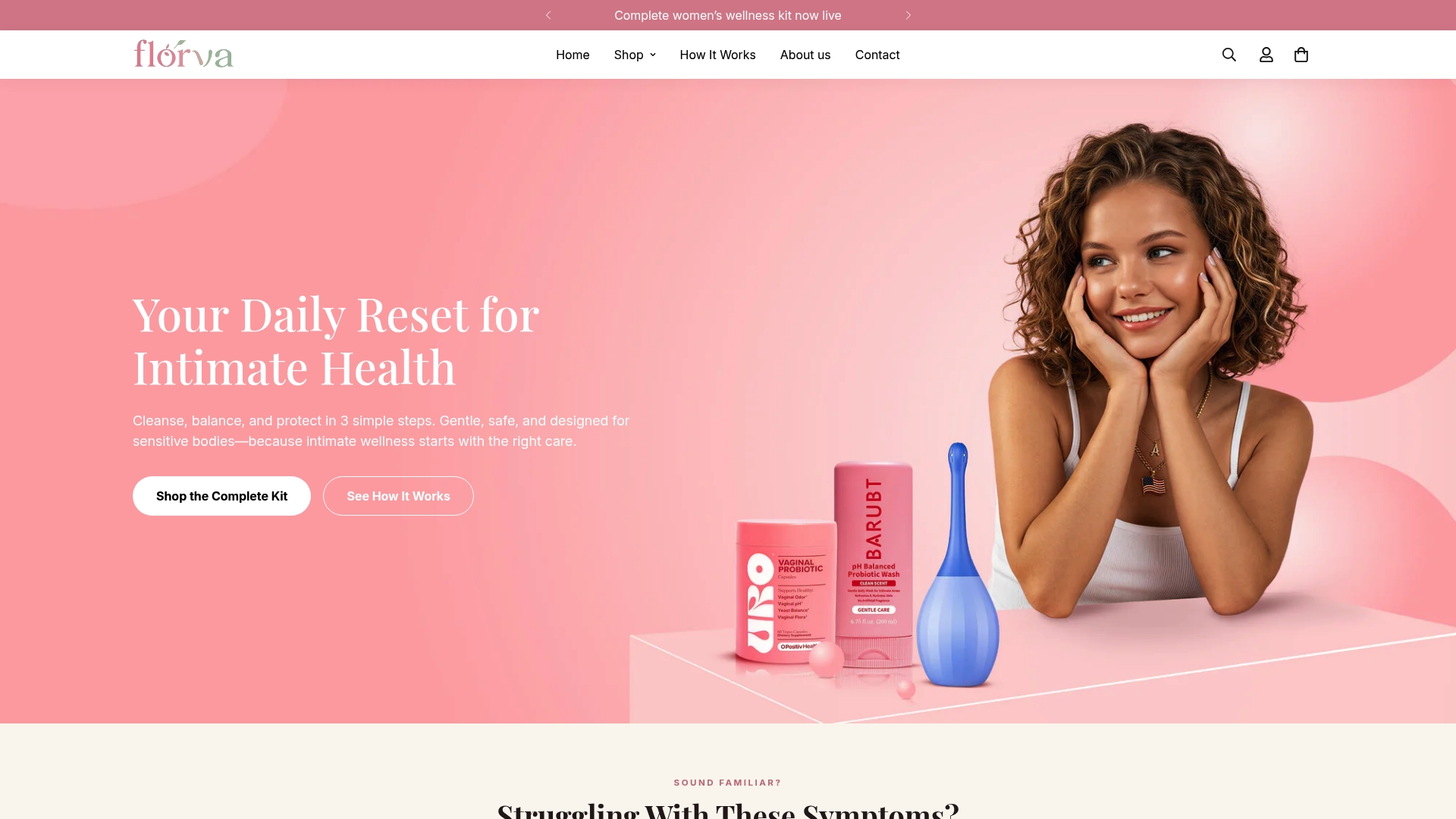
The Hormone Balance Supplements line targets the gut and hormone connection covered earlier, and the florva PMS & Bloating Relief Kit pairs relief-focused products for the symptoms that hit hardest in the days before your period. If skin flare-ups are part of your pattern too, the Skincare for Hormonal Skin line addresses that side of the equation, and partner guidance on hormonal skincare routines offers useful context on why skin reacts the way it does across hormonal shifts. Pair any of these with your clinician’s input, especially if you’re already on medication, and start with the collection that matches your most disruptive symptom.
This article is general information, not a substitute for advice from a qualified doctor. Consult a qualified healthcare professional about your own circumstances before acting on anything here.
Sources
- PMS: Should you recommend calcium and vitamin D supplements? — Contemporary OB/GYN
- Premenstrual syndrome (PMS) - Diagnosis & treatment — Mayo Clinic
- Natural relief for premenstrual syndrome (PMS): a double-blind clinical trial on the efficacy and safety of PMSoff — PMC
- Premenstrual syndrome - self-care: MedlinePlus Medical Encyclopedia
FAQ
How Can I Relieve PMS Symptoms Fast?
There’s no instant fix, but hydration, a brisk 30 minute walk, and cutting salty or caffeinated food and drinks for the day can ease bloating and irritability within hours. For lasting relief, the evidence points to consistent exercise and calcium over weeks, not a same-day trick.
What Are Natural Ways to Stop Period Cramps?
Regular aerobic exercise, adequate hydration, and reducing caffeine and alcohol intake are the natural approaches with the most consistent support for easing cramps and related PMS discomfort. Heat application and gentle movement like walking or stretching also help many women in the moment.
What Should I Drink to Reduce PMS Symptoms?
Water is the simplest and most effective choice, since it counters the bloating that salt and dehydration both worsen. Cutting back on caffeinated and alcoholic drinks in the two weeks before your period also reduces mood swings and sleep disruption.
How Do I Get Out of a PMS Mood Funk?
Short bursts of movement, five minutes of slow breathing, or a quick walk outside can shift a PMS mood funk faster than waiting it out. If low mood is severe or disrupts daily life every cycle, that pattern warrants a conversation with a clinician about PMDD rather than relying on quick fixes alone.
Does FlorvaHealth Offer Products for Natural PMS Relief?
Yes. FlorvaHealth’s PMS & Bloating Relief and Hormone Balance Supplements collections are built around the same evidence-based categories covered in this guide. Current pricing is listed on each collection page.


