

A deliberate evening ritual for hormonal balance is defined as a structured sequence of nightly habits that directly regulates cortisol, melatonin, and reproductive hormones to support sleep, skin health, and stress recovery. Women aged 20–40 are particularly affected by hormonal fluctuations tied to the menstrual cycle, and sleep quality affects cortisol, leptin, and reproductive hormones in ways that show up as breakouts, mood swings, and fatigue. The good news is that the evening hours represent the body’s primary repair window. What you do in the two to three hours before bed determines how well that repair actually happens.
What to eat at dinner to support hormonal balance
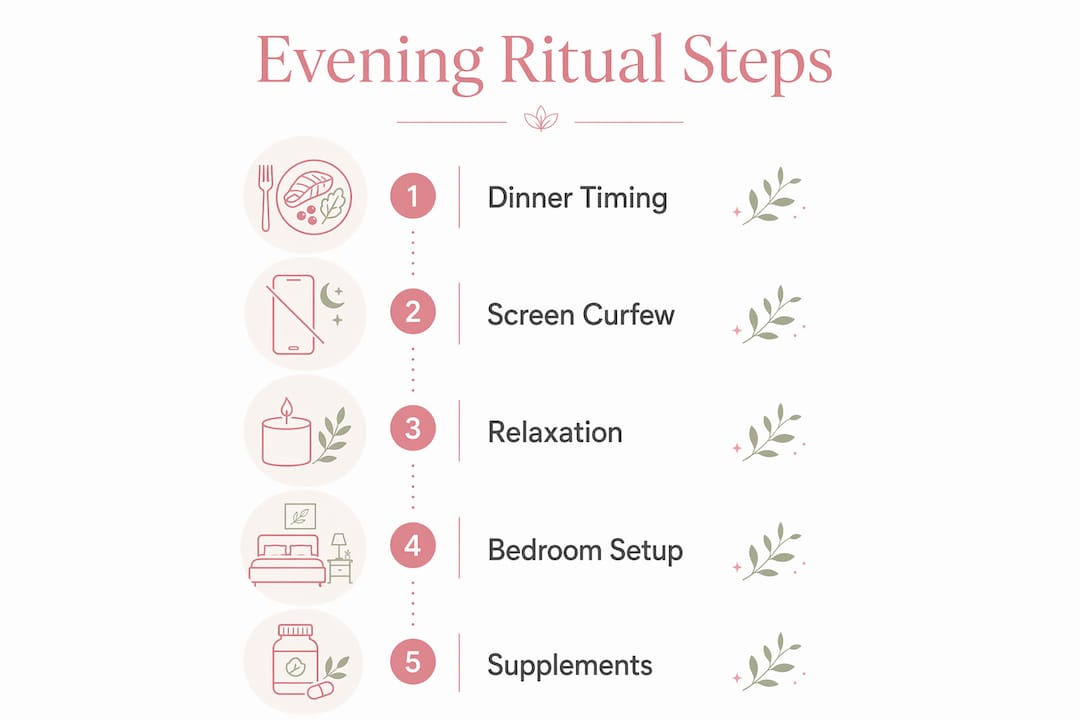
The foods you eat at dinner directly shape overnight hormone regulation. A balanced evening meal built around protein, healthy fats, and fiber supports insulin sensitivity and steadies cortisol, giving your body the raw materials it needs for overnight hormone repair. Think wild salmon with roasted sweet potato and a handful of leafy greens, or a lentil bowl with avocado and pumpkin seeds.
Timing matters as much as food choice. Eating dinner 2–3 hours before sleep prevents the digestive strain and cortisol spikes that disrupt hormonal restoration. A 9:00 PM dinner when you go to bed at 10:30 PM keeps your body in fight-or-flight mode instead of repair mode.
Foods that support hormonal balance at dinner include:
- Leafy greens (spinach, kale, arugula): rich in magnesium, which supports adrenal function
- Fatty fish (salmon, sardines, mackerel): provide omega-3s that reduce inflammatory signaling linked to hormonal disruption
- Nuts and seeds (pumpkin seeds, walnuts, flaxseed): supply zinc and lignans that support estrogen metabolism
- Complex carbohydrates (sweet potato, quinoa, brown rice): raise serotonin precursors and ease the cortisol-to-melatonin transition
- Cruciferous vegetables (broccoli, cauliflower): contain DIM (diindolylmethane), a compound that supports healthy estrogen clearance
Heavy, high-sodium, or alcohol-heavy meals do the opposite. They spike insulin, delay melatonin release, and keep cortisol elevated well past midnight. For women tracking snacks and hormone stability, the same principles apply to any light eating after dinner.
Pro Tip: If you feel hungry after dinner, choose a small snack with protein and fat, like almond butter on a rice cake, rather than refined carbs. This prevents blood sugar drops that trigger a cortisol surge at 2:00 AM.
How does screen time affect your hormones at night?
Blue light from phones, laptops, and televisions suppresses melatonin production and disrupts thyroid and metabolic hormone signaling. Turning off screens 30–60 minutes before bed allows melatonin to rise naturally, which triggers the hormonal cascade that makes deep, restorative sleep possible. Even 15 minutes of screen-free time produces a measurable improvement in sleep quality.
The mechanism is straightforward. Blue light signals to your hypothalamus that it is still daytime. Your body holds cortisol high and delays the melatonin surge. The result is lighter sleep, higher overnight cortisol, and a less effective hormonal reset by morning.
Replacing screen time with calming activities accelerates the hormonal wind-down:
- Journaling: offloads mental load and lowers the rumination that keeps cortisol elevated
- Diaphragmatic breathwork (4-7-8 breathing or box breathing): activates the parasympathetic nervous system within minutes
- Gentle stretching or yin yoga: reduces muscle tension and signals safety to the nervous system
- Herbal tea (chamomile, lemon balm, passionflower): contains compounds with mild anxiolytic effects that support GABA activity
- Reading physical books: engages the mind without blue light exposure
Breathwork and journaling manage stress hormones more effectively than supplements alone. That finding matters because many women reach for a supplement first and skip the behavioral work that actually moves the needle.
Pro Tip: Set a “screen curfew” alarm on your phone for 9:00 PM. When it goes off, plug your phone in across the room. Physical distance removes the temptation entirely.
What bedroom conditions optimize hormonal restoration during sleep?
The bedroom environment is not a comfort preference. It is a biological variable that directly controls how well your hormones reset overnight. A bedroom temperature between 60–67°F is necessary to trigger sleep onset and support the hormonal balance that occurs in deep sleep stages. A room that is too warm keeps the body in a lighter sleep stage, reducing the time spent in the slow-wave sleep where growth hormone and reproductive hormones are most active.
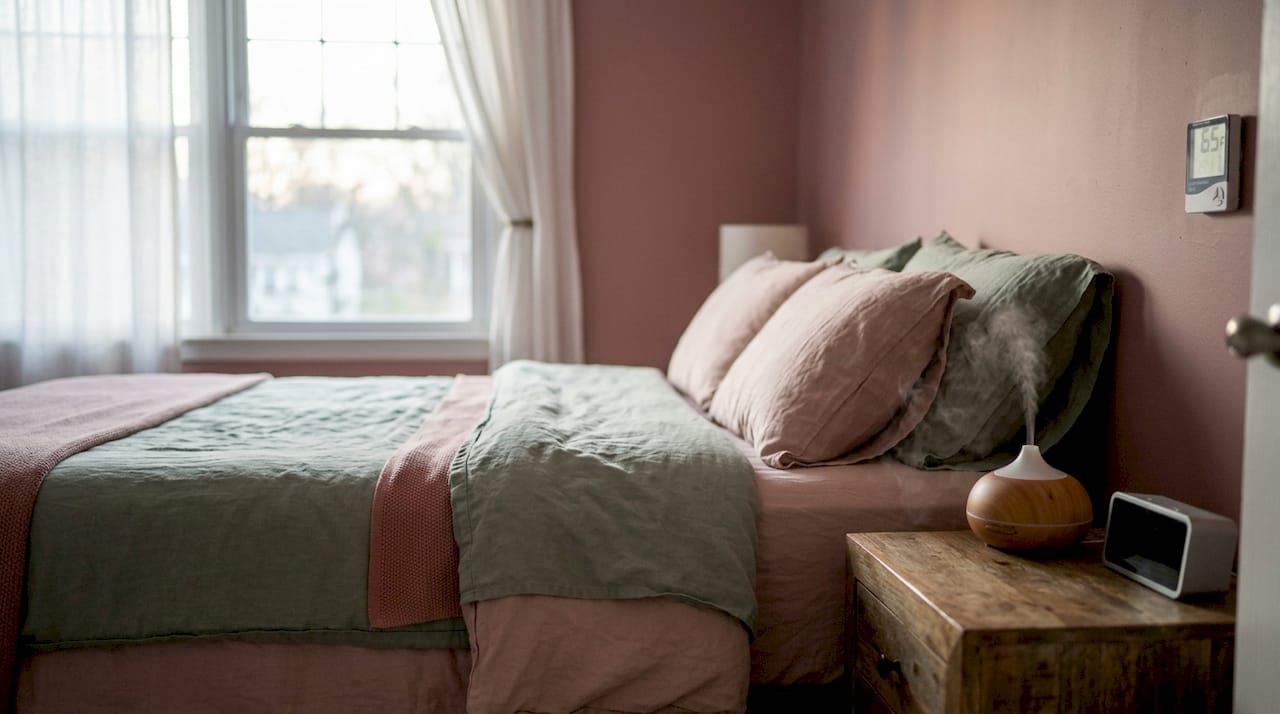
Light levels matter equally. Dimming lights after sunset mimics the natural drop in ambient light that signals your circadian clock to begin the melatonin surge. Blackout curtains, an eye mask, or simply switching off overhead lights in favor of a warm lamp all support this process.
| Environmental factor | Recommended setting | Hormonal effect |
|---|---|---|
| Room temperature | 60–67°F (15.5–19.5°C) | Triggers sleep onset, supports growth hormone release |
| Light level | Dim or dark after sunset | Promotes melatonin production |
| Noise | Quiet or consistent white noise | Reduces cortisol spikes from disrupted sleep |
| Air quality | Fresh, well-ventilated | Supports oxygen delivery and cellular repair |
A consistent sleep schedule anchors all of this. Shifting your sleep time by even two hours on weekends causes social jet lag that disrupts cortisol and progesterone regulation for days. Sleeping in on Sunday feels like a reward, but your hormones pay the price through Monday and Tuesday. Consistency in bedtime is more impactful than any single habit within the routine.
Using a sensory anchor like a specific scent (lavender, cedarwood) or a short playlist creates a psychological cue that tells your nervous system the day is over. For women with racing thoughts, this kind of environmental signal works faster than willpower alone.
How to add supplements and mindful practices to your evening routine
Supplements work best as support for an already solid behavioral foundation. Magnesium glycinate, vitamin D3/K2, and vitamin C support adrenal and liver function, both of which are central to how your body processes and clears hormones overnight. Magnesium glycinate is the preferred form for evening use because it promotes relaxation without causing digestive discomfort. Testing vitamin D levels before supplementing is recommended, since excess vitamin D can disrupt the calcium-to-magnesium ratio.
The mental side of the evening routine carries equal weight. Hormone balancing is an ongoing process that requires a mental toolkit, not just a pill. Building that toolkit means identifying your two or three most reliable stress-reduction tools and using them every night, not just when you feel anxious.
Practical tools for your mental toolkit:
- Gratitude journaling: three specific entries per night reduce amygdala reactivity and lower evening cortisol
- Progressive muscle relaxation: systematically tensing and releasing muscle groups signals the nervous system to downshift
- Boundary setting: deciding what you will not check or respond to after a set time protects your mental space and prevents cortisol from spiking late
- Topical magnesium spray: applied to the legs or abdomen before bed, it absorbs transdermally and supports muscle relaxation
For women managing hormone-related skin concerns, the evening is also the right time for a consistent cleansing routine. Cortisol-driven sebum production peaks in the late afternoon, so clearing the skin before bed reduces the overnight buildup that contributes to hormonal acne. The benefits of hormone-balancing supplements are well documented, but they amplify lifestyle habits rather than replace them.
Pro Tip: Take magnesium glycinate 30–45 minutes before your target sleep time, not right at bedtime. This gives it time to raise GABA levels before you actually need to fall asleep.
What mistakes disrupt hormonal balance in your evening routine?
The most common mistake is treating the evening routine as optional on weekends. Social jet lag from inconsistent sleep schedules significantly disrupts cortisol rhythm and progesterone levels, impairing hormonal balance for days after a single late night. Two hours of schedule drift on Saturday night can blunt the hormonal benefits of an otherwise perfect weekday routine.
Other pitfalls that quietly undermine your efforts include:
- Scrolling in bed after the “screen curfew” because the phone is within reach
- Eating a large meal late and assuming it will not affect sleep quality
- Skipping the wind-down on busy nights, which are exactly the nights cortisol is already elevated
- Expecting results within a week and abandoning the routine before the hormonal benefits compound
Consistency beats perfection every time. A five-minute version of your routine on a hard night is more valuable than skipping it entirely. The 20–30 minute wind-down ritual is the gold standard, but even a shortened version keeps the cortisol taper on track.
“The evening ritual is a strategic repair period where blood pressure and hormones reset. Reducing friction between the day’s end and sleep improves rest and wellbeing in ways that accumulate over weeks, not days. Intentional wind-down supports both physical and emotional health, especially for women.”
The sensory anchor concept is particularly useful for maintaining consistency. When the smell of a specific candle or the sound of a particular playlist becomes the cue for your routine, you stop relying on motivation to start. The habit triggers itself.
Key Takeaways
A consistent evening routine is the single most effective natural tool for regulating cortisol, melatonin, and reproductive hormones overnight.
| Point | Details |
|---|---|
| Dinner timing and content | Eat 2–3 hours before bed with protein, healthy fats, and fiber to steady cortisol and insulin. |
| Screen-free wind-down | Turn off blue-light devices 30–60 minutes before bed to allow melatonin to rise naturally. |
| Bedroom environment | Keep the room at 60–67°F and dark to trigger sleep onset and support hormonal restoration. |
| Supplement support | Magnesium glycinate, vitamin D3/K2, and vitamin C support adrenal and liver hormone processing. |
| Consistency over perfection | Shifting sleep by two hours on weekends disrupts cortisol and progesterone for days afterward. |
Why I think most women underestimate the evening routine
Most wellness advice focuses on morning routines. Wake up early, meditate, cold plunge, journal. The evening gets treated as a passive wind-down rather than an active investment. That framing is wrong, and it costs women real hormonal ground.
The evening is when your body decides how well it will repair overnight. Every choice you make after 7:00 PM, what you eat, what you look at, what temperature your room is, sends a direct signal to your endocrine system. Women are more prone than men to disturbed sleep due to hormonal rhythms and life demands, which makes this window even more critical for us.
What I have found actually works is building the routine around one non-negotiable anchor, not a 12-step protocol. For me, it is a cup of chamomile tea with no phone in hand. That single habit pulls the rest of the routine into place because it signals that the day is done. From there, the journaling, the dim lights, and the early dinner timing follow naturally.
The women I see struggle most are the ones waiting until they feel ready to start. Hormonal balance is not a destination you arrive at when conditions are perfect. It is a daily practice that compounds. Start with one habit tonight, and let the routine build itself around that anchor over the next two weeks.
— Zamanee
How Florvahealth’s system fits into your nighttime wellness practice

Natural evening rituals create the foundation, and the right products make that foundation easier to keep. Florvahealth’s range is built for women managing the daily reality of hormonal change. It includes probiotic capsules, a pH-balanced intimate wash and hydrocolloid pimple patches that slot into the evening routine you are already building.
Adding a pimple patch to your night routine lets a spot heal while you sleep, and the green tomato clay facial cleanser handles the evening cleanse that cortisol-driven oil makes necessary. These are not replacements for the lifestyle habits covered here. They are the small practical layer that makes those habits easier.
FAQ
What is an evening ritual for hormonal balance?
An evening ritual for hormonal balance is a structured set of nightly habits, including meal timing, screen limits, breathwork, and sleep environment adjustments, that regulate cortisol, melatonin, and reproductive hormones overnight. The goal is to create consistent conditions for hormonal restoration during sleep.
How long before bed should I stop eating for hormone health?
Eating dinner 2–3 hours before sleep prevents cortisol spikes and digestive disruption that interfere with overnight hormonal repair. A meal finished by 7:00 PM for a 10:00 PM bedtime is the practical target.
Does screen time really affect hormones?
Blue light from screens suppresses melatonin and keeps cortisol elevated by signaling to the hypothalamus that it is still daytime. Turning off devices 30–60 minutes before bed allows the melatonin surge that initiates the hormonal repair cycle.
What is the best bedroom temperature for hormonal balance?
A bedroom temperature between 60–67°F is the biological requirement for triggering sleep onset and supporting the deep sleep stages where growth hormone and reproductive hormones are most active.
Can weekend sleep changes affect my hormones all week?
Shifting your sleep schedule by two hours on weekends causes social jet lag that disrupts cortisol and progesterone regulation for several days. Keeping a consistent bedtime seven days a week is more impactful for hormonal health than any single supplement or ritual.
Recommended
- Florva Health: probiotics, intimate care and skincare
- Simple Skin Care and Hormones: Your Practical Guide
- Snacks and Hormone Stability: A Guide for Women
- Benefits of Hormone Balancing Supplements for Women
Sources
- Healthy Sleep — MedlinePlus, National Library of Medicine
- Sleep and your health — MedlinePlus, National Library of Medicine
- Cortisol: What It Is, Function & Levels — Cleveland Clinic


