

The verdict: pairing a daily probiotic with topical heat relief and gentle pH-balanced intimate care is the combination with the most consistent research behind it for easing PMS and supporting more regular cycles. Give it time. Most women need 4 to 12 weeks, sometimes up to three full cycles, before the probiotic piece shows its effect, while heat therapy works within minutes of applying it.
- Expect fewer cramps, less bloating, and steadier mood by cycle two or three, backed by randomized controlled trials on heat therapy and probiotic supplementation.
- A systematic review of 15 studies found real but variable promise across strains and doses.
- Stop and check with a clinician if bleeding turns heavy or irregular, pain suddenly worsens, or you suspect pregnancy.
Key Takeaways
Natural cycle regulation works best as a layered routine: a daily probiotic for gut-hormone support, heat therapy for immediate pain relief, and pH-balanced care for tissue health, given a full 8 to 12 week trial.
| Point | Details |
|---|---|
| Combine, don’t isolate | Probiotics address hormone and mood symptoms while heat patches handle pain in real time. |
| Give probiotics real time | Most trials show effects only after 8 to 12 weeks of continuous daily use. |
| Apply heat early | Patches work best applied at the first sign of cramping, not after pain peaks. |
| Know your red flags | Heavy irregular bleeding, sudden worsening pain, or suspected pregnancy need a clinician, not a longer trial. |
| Florvahealth’s gut support | Probiotic and digestive enzyme capsules as a starter routine for the 30 to 90 day trial plan. |
Selected Studies Worth Reading
- The heat therapy meta-analysis quantifies how much pain relief patches actually deliver versus analgesics.
- The OLL2809 probiotic trial shows measurable PMS mood improvement after 12 weeks.
- The 2025 probiotic systematic review maps evidence gaps across strains and conditions.
- The acupoint patch trial tests a different topical mechanism worth knowing about.
Table of Contents
- What Natural Cycle Regulation Actually Means Here
- What Does the Research Say About Probiotics and Heat Patches?
- How Do You Actually Use These Products Together?
- When Should You See a Doctor Instead of Trying This at Home?
- How Long Should You Trial This Before Judging Results?
- Where to Start With Florva’s Range
- Frequently Asked Questions
- Sources
What Natural Cycle Regulation Actually Means Here
Natural cycle regulation, as we use it, means non-medical methods and wellness products that support and regularize your menstrual cycle without prescription hormones. That includes probiotic supplements, topical heat and relief patches, pH-balanced intimate washes, and supportive lifestyle habits.
It does not mean fertility-tracking apps or ovulation predictors. Those solve a different problem entirely: predicting when you ovulate rather than easing the symptoms that come with an irregular or painful cycle.
This guide focuses on three physiologic targets:
- Gut microbiota and the estrobolome, the collection of gut bacteria that help metabolize circulating estrogen.
- Local pain pathways in the uterus, where heat and topical patches interrupt cramping signals.
- Mucosal and vaginal health, supported by pH-balanced washes rather than harsh cleansers.
What Does the Research Say About Probiotics and Heat Patches?
The evidence splits cleanly into two categories: probiotics working from the inside, and heat working locally on pain.
On probiotics, a randomized double-blind trial found that Lactobacillus paragasseri OLL2809 improved premenstrual irritability and arousal symptoms after about 12 weeks of daily use compared with placebo. Separately, a double-blind randomized controlled trial showed a multispecies probiotic blend reduced menstrual pain scores over continuous use for several cycles, though the benefit faded once women stopped taking it. A 2025 systematic review of 15 studies backed this pattern across bacterial vaginosis recurrence, PMS symptoms, dysmenorrhea, and PCOS metabolic markers, while flagging major differences in strain, dose, and study quality.
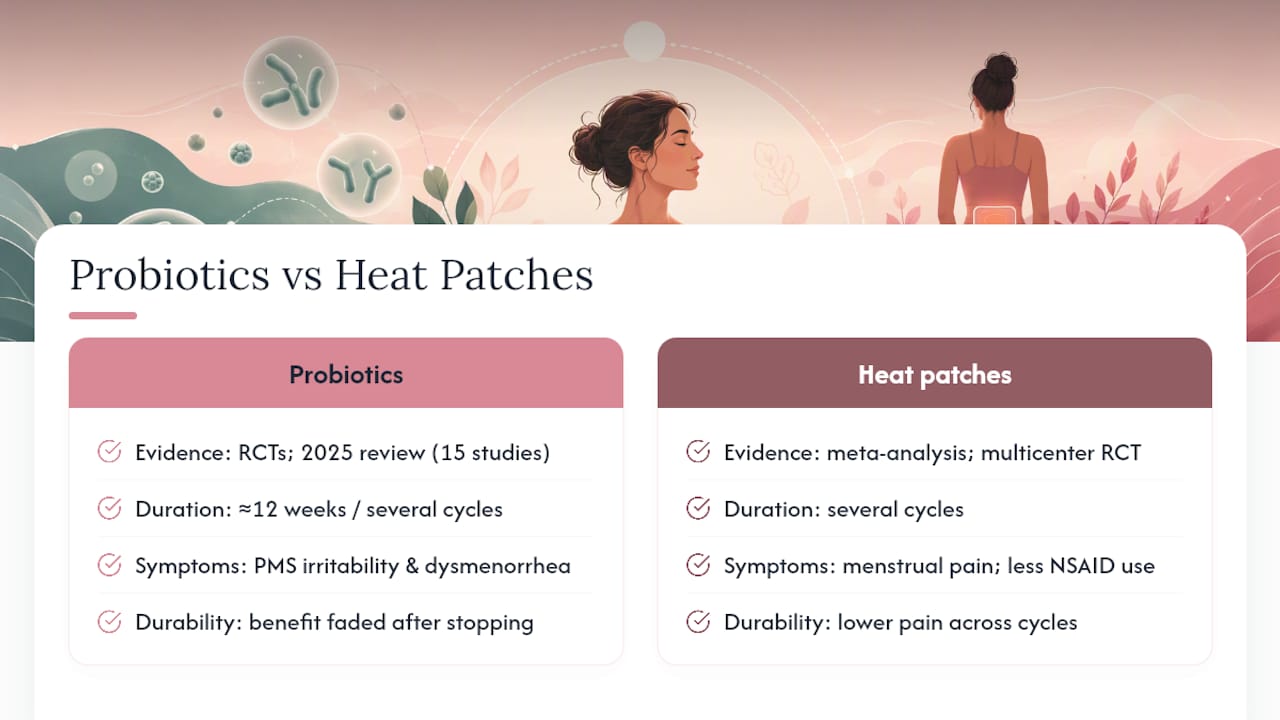
On heat, the numbers are sharper. A meta-analysis of randomized trials comparing heat patches against analgesics or no treatment found a standardized mean difference indicating a meaningful reduction in pain across a pooled sample of women. A multicenter randomized trial of an acupoint-style patch reported lower pain scores and reduced ibuprofen use after several cycles.
Two caveats matter. First, one randomized trial found probiotics didn’t move overall quality-of-life scores, even though NSAID use and some pain measures improved. Second, effects are strain-dependent and provisional; small sample sizes in some trials mean results need replication before anyone calls them definitive.
How Do You Actually Use These Products Together?
Think of it as layered care: one product working on gut and hormone balance, one working on pain in the moment, and one supporting the tissue that lives closest to the problem.
The core lineup:
- Probiotic capsules target the estrobolute connection between gut bacteria and estrogen metabolism, plus PMS mood symptoms.
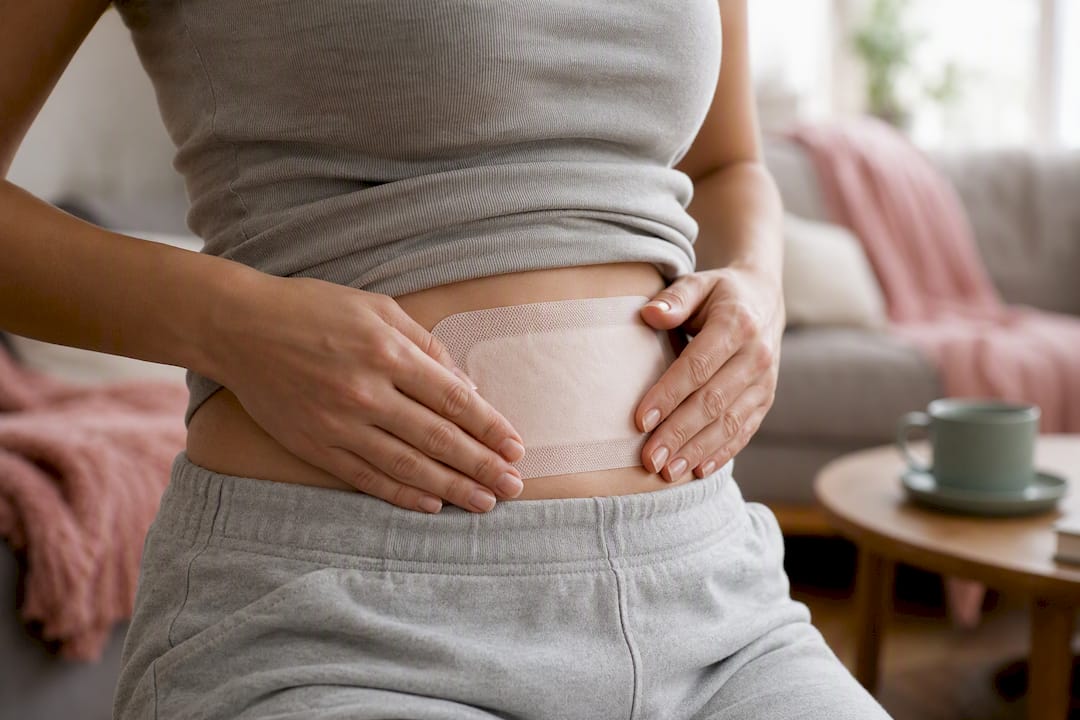
- Menstrual relief heat patches target cramping and localized pain directly, with effects felt within 15 to 20 minutes.
- Florva’s digestive enzyme capsules support digestion when bloating follows meals.
- A pH-balanced intimate wash protects the vaginal microbiome from disruption, especially useful if bloating and discharge changes come alongside cramping.
How to build the routine:
- Start the probiotic daily, same time each day, for a minimum of 8 to 12 weeks before judging results.
- Apply a heat patch at the very first twinge of cramping, not after pain peaks. Leave it on for 4 to 8 hours per the product instructions.
- Use the pH-balanced wash once daily during your period and every other day otherwise. Skip harsh soaps entirely.
- Log symptoms weekly using a simple 1-to-10 scale for pain, bloating, and mood.
Strain guidance matters here. Trials leaning on Lactobacillus species show the most consistent PMS and pain results, and most studies run their protocols for a full three months before drawing conclusions. Don’t judge a probiotic on one cycle.
Pro Tip: Layer your routine instead of stacking redundant actives. If your heat patch already contains a warming or anti-inflammatory topical layer, skip adding a separate NSAID cream on top. Redundant actives raise skin irritation risk without adding relief.
For deeper background on how hormone shifts drive these symptoms cycle to cycle, this guide to hormonal cycle phases breaks down what’s happening week by week.
When Should You See a Doctor Instead of Trying This at Home?
Most women can try this routine safely, but a few groups need caution.
- Immunocompromised readers should talk to a clinician before starting probiotics; while generally well-tolerated, live bacterial supplements carry a theoretical infection risk in that population.
- Skip heat patches on broken or irritated skin, and never apply them directly to bare skin for extended periods without a barrier layer.
- Check with a doctor before combining new supplements with existing thyroid or hormonal medications, since interactions are possible even with “natural” products.
Call a clinician promptly if you notice: heavy or irregular bleeding that soaks through protection hourly, pain that suddenly worsens instead of improving, signs of pregnancy, or fever alongside pelvic pain, which can signal infection.
Bring a written symptom log and current medication list to that first visit. It speeds up diagnosis considerably. If your symptoms overlap with fatigue or weight changes, this piece on thyroid and hormone balance is worth a read before that appointment.
Pro Tip: If cramps have always been severe rather than gradually worsening, mention that distinction to your doctor. Sudden change matters more diagnostically than chronic, stable pain.
How Long Should You Trial This Before Judging Results?
Run this like an actual experiment, not a guess.
Weeks 0 to 4: Start the daily probiotic and begin logging baseline symptoms. Introduce the heat patch at your next period, applying it at the first sign of cramping.
Weeks 4 to 8: Keep the probiotic going daily, without gaps. Continue heat patch use through your next cycle and start tracking NSAID use alongside pain scores.
Weeks 8 to 12: This is your real decision point for most probiotic effects, since trial data on strains like L. paragasseri and multispecies blends points to this window for noticeable change.
- Track pain (1 to 10 scale), bloating severity, mood swings, and days of NSAID use weekly.
- At 30 days: if heat patches are helping pain in the moment, keep using them regardless of probiotic progress.
- At 60 days: if PMS mood symptoms haven’t budged, consider switching probiotic strains rather than quitting the category entirely.
- At 90 days: if pain and bloating are meaningfully lower, continue the routine. If nothing has shifted, that’s your signal to consult a clinician.
For habit-building support through this window, these daily hormonal health habits pair well with the tracking routine above.
A Note From Florvahealth
We built Florvahealth’s product line around the same evidence gaps this guide walks through: probiotics that support the gut-hormone connection, patches for real-time pain relief, and intimate care that doesn’t disrupt vaginal pH. We’re not claiming to replace medical care for complex cases. For straightforward PMS and cycle irregularity, though, we believe evidence-informed natural products deserve a real trial, done properly, before reaching for stronger interventions.
Where to Start With Florva’s Range
If you’re ready to try this inside-out approach rather than piece it together from five different brands, Florvahealth’s range covers the gut and daily-care parts of the routine outlined above.
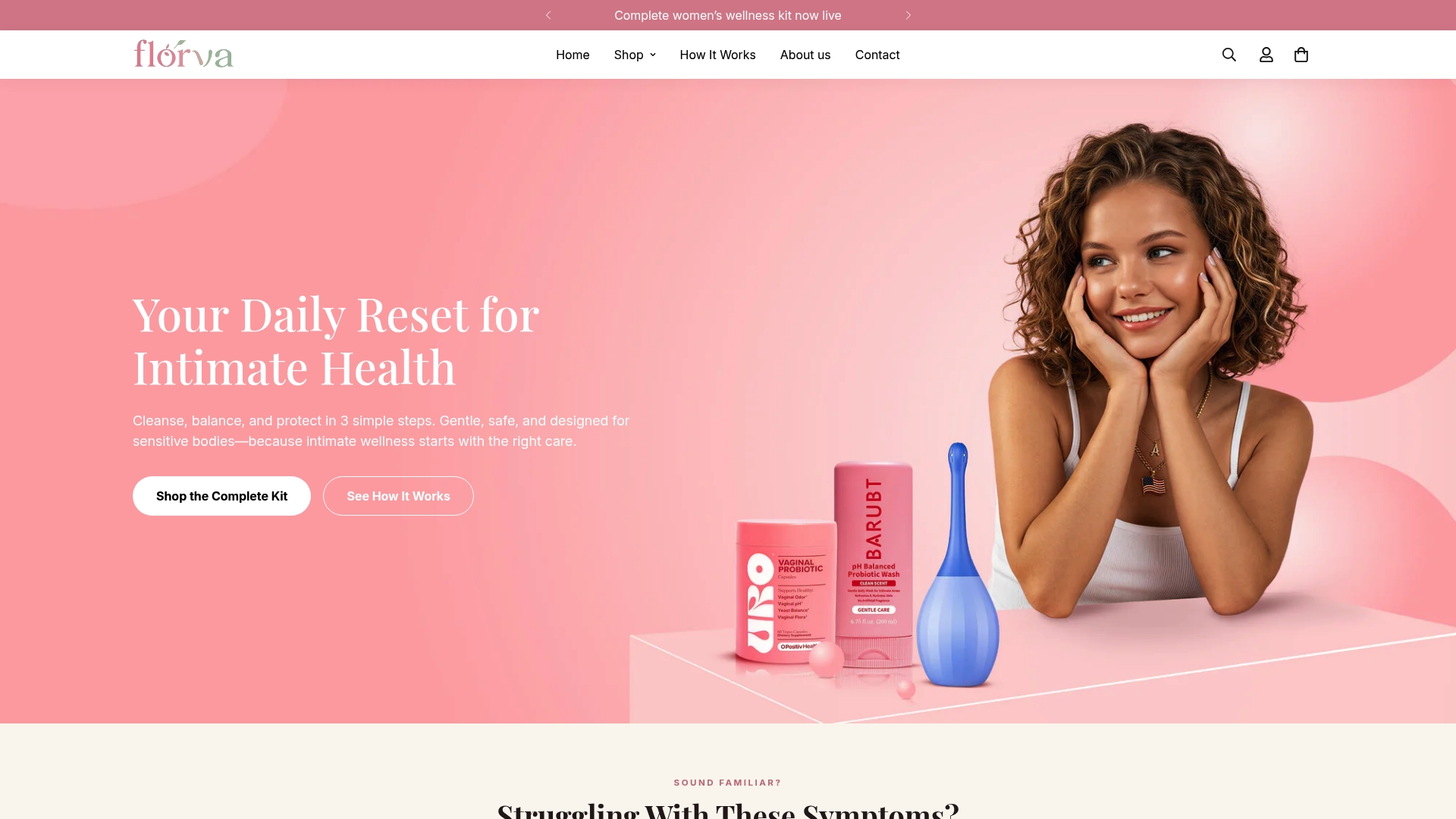
Florva’s digestive enzyme capsules and probiotic capsules cover the gut side of this guide, and the pH-balanced intimate wash covers daily care. Add a heat patch for cramp days and you have the three-part routine from this guide. Florvahealth’s full range shows how each product maps to a specific need.
Start with the probiotic as your baseline, track symptoms for the first cycle using the weekly log described above, and add the other steps once you know which symptoms need the most attention. Visit Florvahealth to build your starter routine.
Frequently Asked Questions
How fast will I notice a difference in my PMS symptoms? Heat patches work within 15 to 20 minutes for pain. Probiotic effects on mood and cramping typically take 8 to 12 weeks of consistent daily use to show up clearly.
Can I use a probiotic and a heat patch at the same time? Yes. They target different mechanisms, gut and hormone balance versus local pain, so there’s no conflict in using both simultaneously.
Do I need to keep taking the probiotic forever? Research on multispecies blends shows benefits fade after stopping, so ongoing use matters more than a one-time course if you want to maintain results.
Is a pH-balanced wash actually necessary, or just marketing? It protects the vaginal microbiome from disruption, which matters more during your period when discharge and pH naturally shift. It’s a supportive layer, not the main driver of symptom relief.
What if none of this works after three months? That’s a legitimate signal to see a clinician. Persistent, unresponsive symptoms deserve a proper workup rather than another round of product-switching.
This article is general information, not a substitute for advice from a qualified doctor. Consult a qualified healthcare professional about your own circumstances before acting on anything here.
Sources
- Heat therapy for primary dysmenorrhea: A systematic review and meta-analysis of its effects on pain relief and quality of life - PMC
- Lactobacillus paragasseri OLL2809 Improves Premenstrual Psychological Symptoms in Healthy Women: A Randomized, Double-Blind, Placebo-Controlled Study - PMC
- Efficacy of probiotic supplementation in reducing primary dysmenorrhea: a double-blinded randomized controlled trial | Scientific Reports
- Systematic review (2025) on probiotics and menstrual health — MicrobBioActs
- Efficacy and safety of Dysmenorrhea Patch acupoint application in women with primary dysmenorrhea: a randomized double-blind controlled trial


