

Hormonal night sweats happen when shifting estrogen and progesterone levels confuse the hypothalamus, your body’s internal thermostat, into triggering a cooling response while you sleep. The three life stages behind most cases are:
- Perimenopause and menopause, where declining estrogen destabilizes the hypothalamus’s thermoneutral zone
- Pregnancy and postpartum, when hormone surges and then a rapid drop after delivery disrupt normal temperature control
- The late luteal phase of the menstrual cycle, when estrogen and progesterone both fall just before your period
Hormone replacement therapy (HRT) is one option clinicians discuss once a hormonal cause is confirmed. One quick caveat before you read on: drenching sweats paired with unexplained weight loss or fever are not something to self-diagnose. That combination needs a clinician’s attention.
Key Takeaways
Hormonal night sweats stem from fluctuating estrogen and progesterone narrowing the hypothalamus’s thermoneutral zone, most often during perimenopause, pregnancy/postpartum, or the late luteal phase.
| Point | Details |
|---|---|
| Primary mechanism | Estrogen and progesterone swings narrow the thermoneutral zone, tricking the hypothalamus into cooling mode. |
| Top hormonal triggers | Perimenopause/menopause, pregnancy/postpartum, and the late luteal phase cause most cases. |
| Watch for red flags | Drenching sweats with weight loss, fever, or new lumps need prompt medical evaluation. |
| Typical workup | Clinicians usually start with history, TSH, and CBC before considering imaging. |
| Supportive next step | Florvahealth’s PMS and cycle-support products offer nonmedical comfort alongside clinician-guided treatment. |
Where to Read More on This Topic
- Cleveland Clinic on postpartum night sweats: explains the hormone-reset mechanism after delivery
- AAFP diagnostic evaluation guide: outlines the stepwise clinical workup for persistent night sweats
- Mayo Clinic on night sweats causes: a patient-facing overview of hormonal and non-hormonal triggers
- NCBI Bookshelf on cancer therapy hot flashes: covers tamoxifen and aromatase inhibitor effects
- Sleep Foundation on night sweats in women: reviews prevalence and the thermoneutral-zone mechanism
Table of Contents
- How Hormone Shifts Disrupt Your Body’s Temperature Control
- Which Life Stages Commonly Trigger Hormonal Night Sweats?
- Could Something Other Than Hormones Be Causing It?
- When Should You See a Doctor About Night Sweats?
- What Actually Helps Stop Hormonal Night Sweats?
- What Do Recent Clinical Reviews Say About Night Sweats?
- Frequently Asked Questions
- Sources
How Hormone Shifts Disrupt Your Body’s Temperature Control
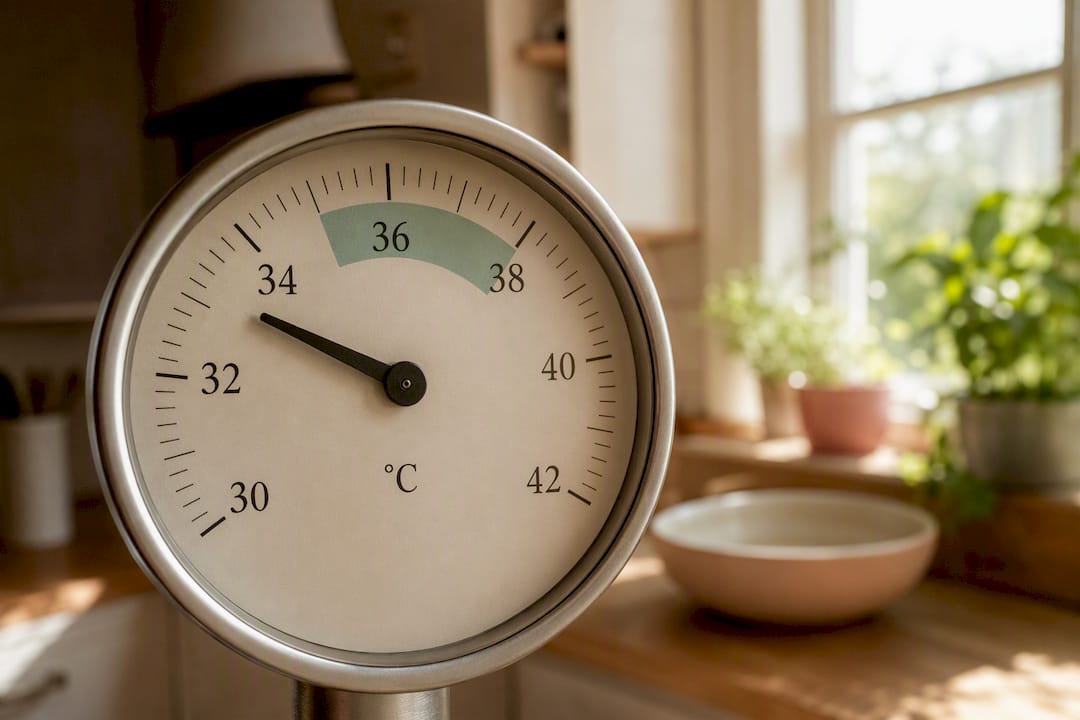
Your body maintains a narrow window called the thermoneutral zone, the small range of core temperature where you feel neither hot nor cold and don’t sweat or shiver to correct it. Vasomotor symptoms, the medical term for hot flashes and night sweats, happen when that window narrows so much that even a tiny uptick in core temperature triggers a full cooling response.
Estrogen and progesterone normally help keep that zone stable. When levels drop or swing unpredictably, the hypothalamus misreads a minor temperature blip as overheating and floods the skin with blood flow, triggers sweating, and can spike your heart rate, all in an attempt to cool you down that you didn’t actually need. Researchers also point to shifts in vasodilatory brain peptides as part of the chemical signaling behind this response.
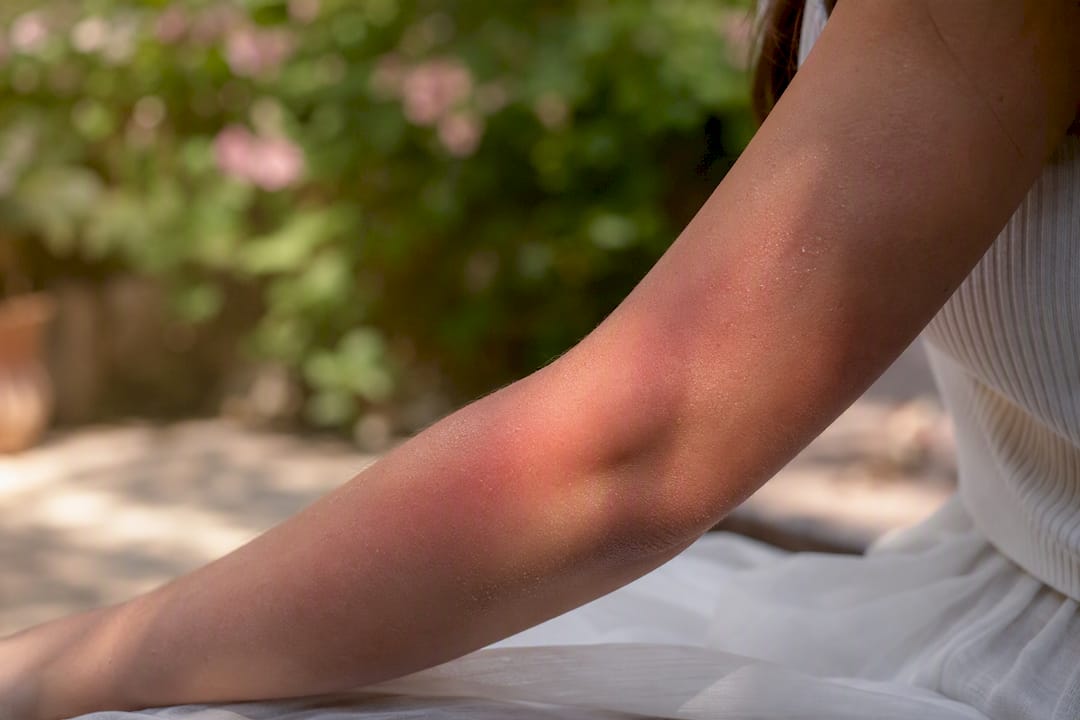
Many women in perimenopause or menopause experience these vasomotor symptoms, according to the Sleep Foundation, which is a strong signal that this mechanism, not something else, is usually the root cause during that life stage.
Pro Tip: Keep a simple log of when sweats happen relative to your cycle day or menopause timeline. That pattern alone often tells a clinician more than a single description of “I sweat a lot at night.”
Which Life Stages Commonly Trigger Hormonal Night Sweats?
Night sweats hormone imbalance shows up differently depending on where you are in your reproductive timeline. Here’s how the timing and intensity usually break down:
- Perimenopause and menopause: Symptoms build gradually as estrogen declines over months or years, though surgical menopause (ovary removal) or chemical menopause (from certain cancer treatments) causes an abrupt, often more intense onset. HRT is the primary hormonal treatment considered here, though it’s not right for everyone.
- Late luteal phase of the menstrual cycle: Estrogen and progesterone both drop sharply in the days before your period starts, often producing night sweats for just a few nights per cycle.
- Pregnancy and postpartum: Elevated hormones during pregnancy raise blood volume and metabolic rate, then the sudden hormone drop after delivery triggers the body to shed retained fluid. Postpartum sweats commonly peak in the first few weeks after birth as hormones reset.
- Starting or stopping hormonal contraceptives: Any abrupt change in synthetic hormone levels, including going on or off birth control, can temporarily destabilize your thermoneutral zone.
- Cancer therapies affecting hormone pathways: Tamoxifen and aromatase inhibitors, both commonly prescribed after hormone-sensitive breast cancer, work by blocking or lowering estrogen, which frequently produces hot flashes and night sweats as a side effect.
Each of these has a rough timeframe: cycle-related sweats last days, postpartum sweats last weeks, and perimenopausal symptoms can persist for years unless treated.
Could Something Other Than Hormones Be Causing It?
Not every night sweat is hormonal, and some non-hormonal causes overlap closely enough with vasomotor symptoms that they get missed. Hyperthyroidism raises your metabolic rate and can produce sweating that looks identical to a hot flash. Sleep apnea, infections like tuberculosis or influenza, hypoglycemia, GERD-related nighttime arousals, and alcohol or stimulant use all belong on the differential list too.
Medications matter just as much as underlying conditions. SSRIs and SNRIs, opioids, steroids, and hypoglycemic agents are common culprits, alongside the cancer therapies mentioned above.
If you notice drenching sweats combined with unexplained weight loss, persistent fever, new lumps, or unusual night pain, that combination warrants an urgent visit rather than a wait-and-see approach. These are the pattern clinicians watch for when ruling out malignancies like lymphoma.
Obstructive sleep apnea alone raises the risk of night sweats roughly threefold, so snoring plus daytime sleepiness alongside your sweats is worth flagging separately.
When Should You See a Doctor About Night Sweats?
Recurrent, drenching sweats that disrupt sleep for several weeks, or any of the red flags above, are your cue to book an appointment rather than tough it out.
A typical evaluation moves through a few predictable steps:
- A focused history covering timing, pattern, medications, and where you are in your reproductive life stage
- A physical exam looking for signs pointing toward infection, thyroid disease, or other systemic issues
- Basic labs, usually a TSH and complete blood count, to screen for thyroid or blood disorders
- Infection screens or imaging only if your history suggests something specific
Pro Tip: Bring a written sleep and temperature diary along with a full list of medications and supplements to your appointment. Noting exactly where you are in your cycle, pregnancy, or menopause transition helps your clinician skip straight to the right tests.
Most primary-care evaluations for persistent night sweats don’t uncover serious disease. When basic testing comes back normal, reassurance and monitoring are the common next step, not more invasive workups.
What Actually Helps Stop Hormonal Night Sweats?
Relief usually starts in the bedroom before it moves to a prescription pad.
- Keep your room between 60 and 67°F, use moisture-wicking sheets, and dress in breathable, layered sleepwear
- Cut back on alcohol and caffeine in the evening, and skip spicy food close to bedtime
- Practice paced breathing or another stress-reduction technique before sleep, since anxiety and poor sleep hygiene can amplify how severe sweats feel
When lifestyle changes aren’t enough, HRT is the most direct medical option for menopause-related vasomotor symptoms, though it’s not appropriate if you have a history of active or probable breast cancer or certain clotting disorders. Non-hormonal prescriptions, including SSRIs/SNRIs, gabapentin, and clonidine, are commonly used alternatives when HRT isn’t the right fit, though the choice depends heavily on your other health conditions. Supportive routines and topical comfort products can play a helpful, adjunctive role alongside whichever medical path you choose, particularly around cycle-related skin and comfort changes.
What Do Recent Clinical Reviews Say About Night Sweats?
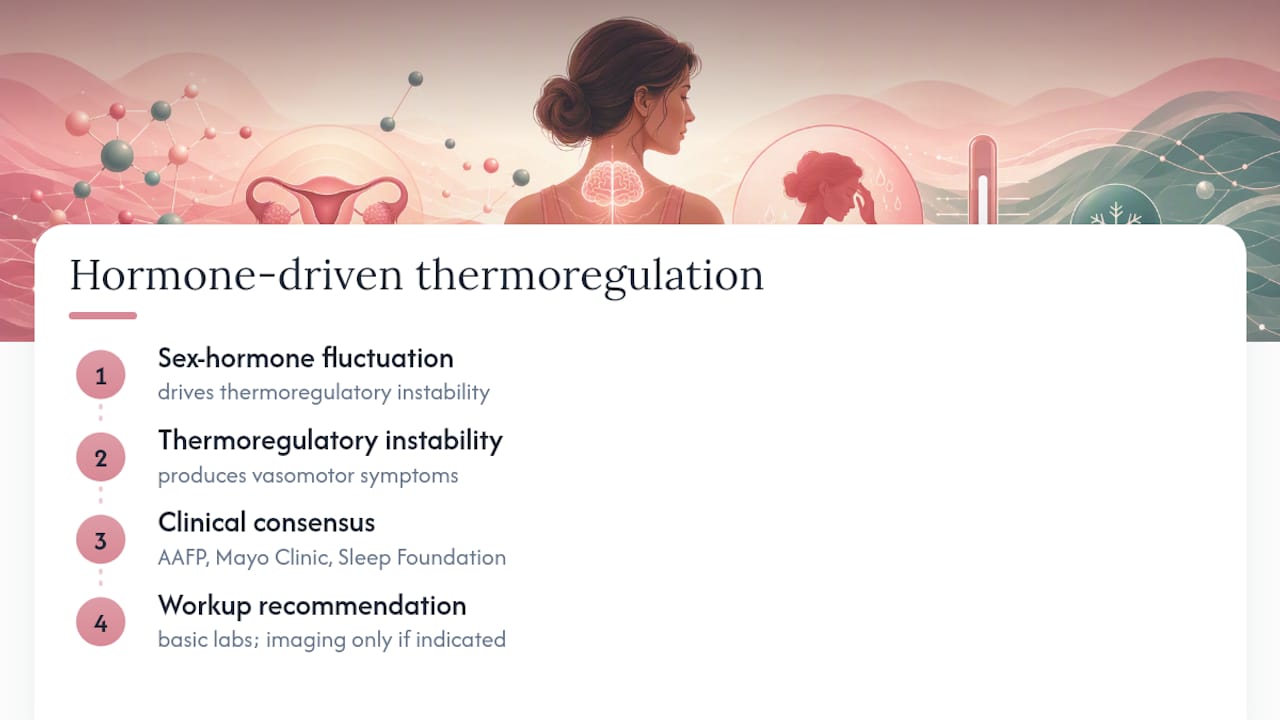
Clinical guidance from the American Academy of Family Physicians recommends a cost-conscious workup: basic labs and imaging only when history or exam actually point toward something specific, not a blanket battery of tests for every patient. Mechanistic reviews on vasomotor symptoms consistently describe the same root cause across studies, thermoregulatory instability driven by sex-hormone fluctuation, rather than pointing to a single organ malfunction.
This snapshot draws on clinician-facing sources including the AAFP, Mayo Clinic, and Sleep Foundation, each of which independently converges on hormone-driven thermoregulation as the dominant explanation once other conditions are ruled out.
A Note on Living With This
Waking up soaked through your sheets, night after night, wears you down in ways that are hard to explain to anyone who hasn’t been through it. Track your patterns anyway, even on the nights you’re too tired to bother. That record is often the single fastest route to a diagnosis and a treatment plan that actually fits your situation.
Supportive Options While You Sort Out the Cause
Once you’ve ruled out anything urgent, day-to-day comfort still matters, and that’s where Florvahealth fits. Florvahealth’s products are built as supportive, nonprescription wellness aids, not a replacement for medical therapy or a diagnosis from your clinician.

Cycle-support supplements and sleep-friendly bedtime rituals can round out a routine aimed at overall comfort rather than symptom treatment. None of these are meant to diagnose, treat, or replace HRT or prescription care. If you’re looking for a gentle addition to your routine while you work with your clinician on the medical side, browse the full product range.
Frequently Asked Questions
What causes hormonal night sweats? Hormonal night sweats are caused by fluctuating estrogen and progesterone levels that disrupt the hypothalamus’s temperature control, most commonly during perimenopause, pregnancy, postpartum recovery, or the days before your period.
How do I know if my night sweats are hormonal or something else? Hormonal sweats usually track with a life stage or cycle pattern, while sweats accompanied by fever, unexplained weight loss, or persistent fatigue point toward a non-hormonal cause that needs medical evaluation.
Can birth control cause night sweats? Starting or stopping hormonal contraceptives can trigger temporary night sweats because any abrupt shift in synthetic hormone levels can destabilize your body’s thermoneutral zone.
Do night sweats during menopause ever go away without treatment? For many women symptoms ease over time as hormone levels stabilize, though the timeline varies widely and some women use HRT or non-hormonal medications to manage symptoms sooner.
Is HRT the only treatment for hormone-related night sweats? No. Non-hormonal options like SSRIs/SNRIs, gabapentin, and clonidine are commonly used when HRT is contraindicated, such as in women with a history of breast cancer, or simply not preferred.
This article is general information, not a substitute for advice from a qualified doctor. Consult a qualified healthcare professional about your own circumstances before acting on anything here.
Sources
- Postpartum night sweats - Cleveland Clinic
- Persistent Night Sweats: Diagnostic Evaluation | AFP
- Night sweats Causes - Mayo Clinic
- Hot flashes and night sweats in cancer therapy — NCBI Bookshelf
- Night sweats in women — Sleep Foundation


