

Hormonal mood swings are defined as rapid, unpredictable emotional shifts caused by fluctuating levels of estrogen and progesterone. These are not personality flaws or overreactions. They are neurological events. When estrogen and progesterone swing erratically, they destabilize the brain systems that regulate serotonin, dopamine, and GABA, the three neurotransmitters most responsible for emotional stability. Hormone-related mood swings affect 23–40% of women in their 40s during perimenopause, but the same mood swing triggers in hormonal women appear across every decade, from the first menstrual cycle to the final one. Understanding the biology behind these shifts is the first step toward managing them.
What hormone fluctuations cause mood swings in women?
Estrogen does far more than regulate the reproductive cycle. It directly modulates the production and sensitivity of serotonin, dopamine, and norepinephrine. When estrogen drops sharply, serotonin availability falls with it. That explains the irritability, low mood, and emotional fragility that arrive without warning.
Progesterone adds another layer. Its metabolite, allopregnanolone, binds to GABA-A receptors in the brain and produces a calming effect similar to anti-anxiety medication. When progesterone falls in the late luteal phase, allopregnanolone drops too. The calming signal disappears, and anxiety fills the gap.

The key insight most women never hear: hormonal volatility, not just low levels, is the primary driver of mood swings. Think of it as a “bad light switch” effect on GABA-A receptors. Rapid, unpredictable shifts in hormone levels create chaos in brain chemistry. A slow, gradual decline is far easier for the brain to adapt to than a sudden spike followed by a crash.
Estrogen also affects the prefrontal cortex, the brain region responsible for emotional regulation and impulse control. When estrogen fluctuates, glutamate signaling in the prefrontal cortex becomes unstable. The result is reduced capacity to manage emotional reactions, which is why small frustrations can feel enormous during vulnerable hormonal windows.
- Serotonin: Estrogen boosts serotonin production and receptor sensitivity. Estrogen drops cause serotonin to fall, triggering low mood and irritability.
- Dopamine: Estrogen supports dopamine pathways linked to motivation and reward. Fluctuations reduce drive and increase emotional flatness.
- GABA: Progesterone’s metabolite allopregnanolone activates GABA-A receptors. When progesterone drops, this calming signal vanishes.
- Norepinephrine: Estrogen influences norepinephrine, which regulates alertness and stress response. Instability here contributes to anxiety and mood lability.
Pro Tip: If your mood crashes feel sudden and intense rather than gradual, the issue is likely hormonal volatility, not a persistent hormone deficiency. Tracking the timing of your symptoms across your cycle will reveal the pattern.
What are common mood swing triggers linked to the menstrual cycle?
The menstrual cycle creates predictable windows of hormonal vulnerability. Knowing where you are in your cycle gives you real power to anticipate and prepare.
-
The luteal phase (days 15–28). Progesterone rises after ovulation, then drops sharply in the final week before menstruation. This drop removes the calming allopregnanolone effect. The mid-to-late luteal phase is identified as the primary “window of vulnerability” for mood disorders in cycling women. Anxiety, irritability, and emotional lability peak here.
-
Perimenopause. The years before menopause bring erratic hormone surges and crashes rather than the predictable cycling of earlier decades. Estrogen can spike dramatically one day and plummet the next. This unpredictability is what makes perimenopausal mood swings so intense and disorienting.
-
PMDD (Premenstrual Dysphoric Disorder). This is the severe end of the hormonal mood spectrum. PMDD requires at least five impairing symptoms during the luteal phase, including core mood symptoms such as depression, anxiety, or emotional lability, with full resolution after menstruation begins. It is not simply “bad PMS.” It is a clinically recognized condition that responds to specific treatments.
-
Postpartum period. Estrogen and progesterone drop dramatically after delivery. This is one of the steepest hormonal declines the body experiences, and it directly explains postpartum mood instability.
-
Ovulation. A brief estrogen surge at ovulation can cause a short window of elevated mood, followed by a sharper drop. Some women notice a mood dip in the day or two immediately after ovulation.
“The menstrual cycle is not just a reproductive event. It is a monthly neurological cycle. Every phase carries a distinct hormonal signature that shapes how the brain processes emotion, stress, and social interaction. Treating mood swings as random or irrational ignores the predictable biology behind them.”
Sleep loss compounds every one of these phases. Poor sleep elevates cortisol and worsens the emotional regulation impairments that hormone changes already create. A bad night before the luteal phase hits is not a coincidence. It is a compounding trigger.
How lifestyle factors worsen hormonal mood swings
Hormonal changes set the stage. Lifestyle factors decide how bad the performance gets.
Blood sugar and mood
Blood sugar crashes trigger cortisol and adrenaline surges that mimic panic and irritability. The brain interprets a sudden drop in blood glucose as an emergency and releases stress hormones to compensate. During the luteal phase, when the brain is already operating with reduced GABA support, this stress hormone surge hits much harder. Skipping meals or eating high-sugar foods that cause rapid spikes and crashes is one of the most overlooked mood swing triggers in hormonal women.
Chronic stress and cortisol
Chronic stress raises cortisol levels. High cortisol directly suppresses progesterone production, which removes the calming allopregnanolone effect even before the luteal phase begins. This creates a situation where stress and hormonal vulnerability amplify each other in a feedback loop.
Sleep deprivation
Sleep loss elevates cortisol and impairs the prefrontal cortex’s ability to regulate emotional responses. During hormonally sensitive phases, even one or two nights of poor sleep can push manageable irritability into full emotional dysregulation.
| Lifestyle factor | Effect on mood | What to do |
|---|---|---|
| Blood sugar crashes | Triggers cortisol and adrenaline surges | Eat protein and fat with every meal |
| Chronic stress | Suppresses progesterone production | Daily stress reduction practice |
| Poor sleep | Elevates cortisol, impairs emotional regulation | Prioritize 7–9 hours, especially in luteal phase |
| Sedentary behavior | Reduces dopamine and serotonin baseline | 20–30 minutes of movement daily |
Pro Tip: Eat a protein-rich snack before bed during your luteal phase. Stable overnight blood sugar reduces the cortisol spike that often causes early morning anxiety in the days before your period.
What are effective strategies for managing hormonal mood swings?
Managing hormonal mood swings requires working with your biology, not against it. The most effective approaches combine nutritional support, lifestyle adjustments, symptom tracking, and, when needed, medical intervention.
Nutritional supplements with evidence
Magnesium glycinate 200–400 mg daily combined with vitamin B6 shows clinical benefit for premenstrual mood symptoms. Magnesium supports GABA receptor function and reduces cortisol reactivity. Vitamin B6 is a cofactor in serotonin and dopamine synthesis. Together, they address two of the core neurochemical deficits that drive luteal phase mood swings. You can also explore herbal supplements for cycle balance as complementary options.
Stress reduction and daily rituals
Meditation, gentle exercise, and morning light exposure all reduce cortisol and support serotonin production. Morning light exposure specifically helps regulate circadian rhythm and stabilize the hormonal signaling that depends on it. Building daily rituals for hormone support into your routine creates a consistent neurochemical baseline that makes hormonal fluctuations less disruptive.
Cycle syncing
Cycle syncing exercise and nutrition to your menstrual phases helps manage symptoms by anticipating hormonal sensitivity rather than reacting to it. During the follicular phase, higher estrogen supports higher-intensity workouts and social engagement. During the luteal phase, lower-intensity movement and nutrient-dense foods reduce the severity of mood symptoms. Florvahealth’s guide on cyclical living for hormonal health walks through this approach in practical detail.
Symptom tracking
Daily prospective symptom tracking using tools like the DRSP (Daily Record of Severity of Problems) is the clinical gold standard for diagnosing and managing hormone-related mood disorders. Tracking over two full cycles reveals patterns that single blood tests cannot. It also gives you concrete data to bring to a healthcare provider.
Medical options
Low-dose hormone replacement therapy or specific contraceptives reduce mood volatility more effectively than antidepressants for women whose mood swings are driven by hormonal fluctuations. This distinction matters. If the root cause is hormonal volatility, addressing the hormones directly produces better outcomes than targeting serotonin reuptake alone.
- Magnesium glycinate 200–400 mg daily: Supports GABA function and reduces cortisol reactivity.
- Vitamin B6: Cofactor for serotonin and dopamine synthesis; most effective combined with magnesium.
- Cycle syncing: Adjust exercise intensity and food choices to match your hormonal phase.
- Daily symptom tracking: Use the DRSP or a period tracking app for at least two cycles.
- Low-dose HRT or targeted contraceptives: Discuss with your provider if lifestyle measures are insufficient.
Key Takeaways
Hormonal mood swings are caused by rapid fluctuations in estrogen and progesterone that destabilize serotonin, dopamine, and GABA systems, and managing them requires addressing both hormonal volatility and the lifestyle factors that amplify it.
| Point | Details |
|---|---|
| Volatility drives mood swings | Rapid hormone shifts, not just low levels, are the primary trigger for emotional instability. |
| Luteal phase is the key window | The mid-to-late luteal phase is the highest-risk period for mood symptoms across the cycle. |
| Lifestyle factors compound the problem | Blood sugar crashes, chronic stress, and poor sleep each amplify hormonal mood swings. |
| Magnesium and B6 have clinical support | Magnesium glycinate 200–400 mg combined with vitamin B6 reduces premenstrual mood symptoms. |
| Tracking is the foundation of management | Two cycles of daily symptom logging reveals patterns and informs both self-care and medical decisions. |
What I’ve learned about hormonal mood swings that most articles miss
Most conversations about hormonal mood swings focus on hormone levels. Get your estrogen checked. See if progesterone is low. But the research tells a different story. Hormone sensitivity varies widely between women. Two women with identical hormone levels can have completely different emotional experiences. What matters is how your individual brain responds to hormonal shifts, not just what the numbers say.
The women I see struggle most are the ones waiting for a blood test to validate what they already feel. Mood symptoms are real data. They deserve to be tracked and taken seriously, not dismissed because a lab result looks “normal.” The DRSP exists precisely because clinical diagnosis of PMDD requires prospective daily tracking over two cycles, not a single hormone panel.
The other thing worth saying directly: hormonal mood swings are biological events. They are not a sign of weakness, instability, or emotional immaturity. They are the predictable result of a brain that is highly sensitive to neurochemical changes. That sensitivity is not a flaw. Knowing it exists means you can work with it.
— Zamanee
Florvahealth’s approach to hormonal mood and PMS support
Women who understand their hormonal triggers deserve products built around the same science.
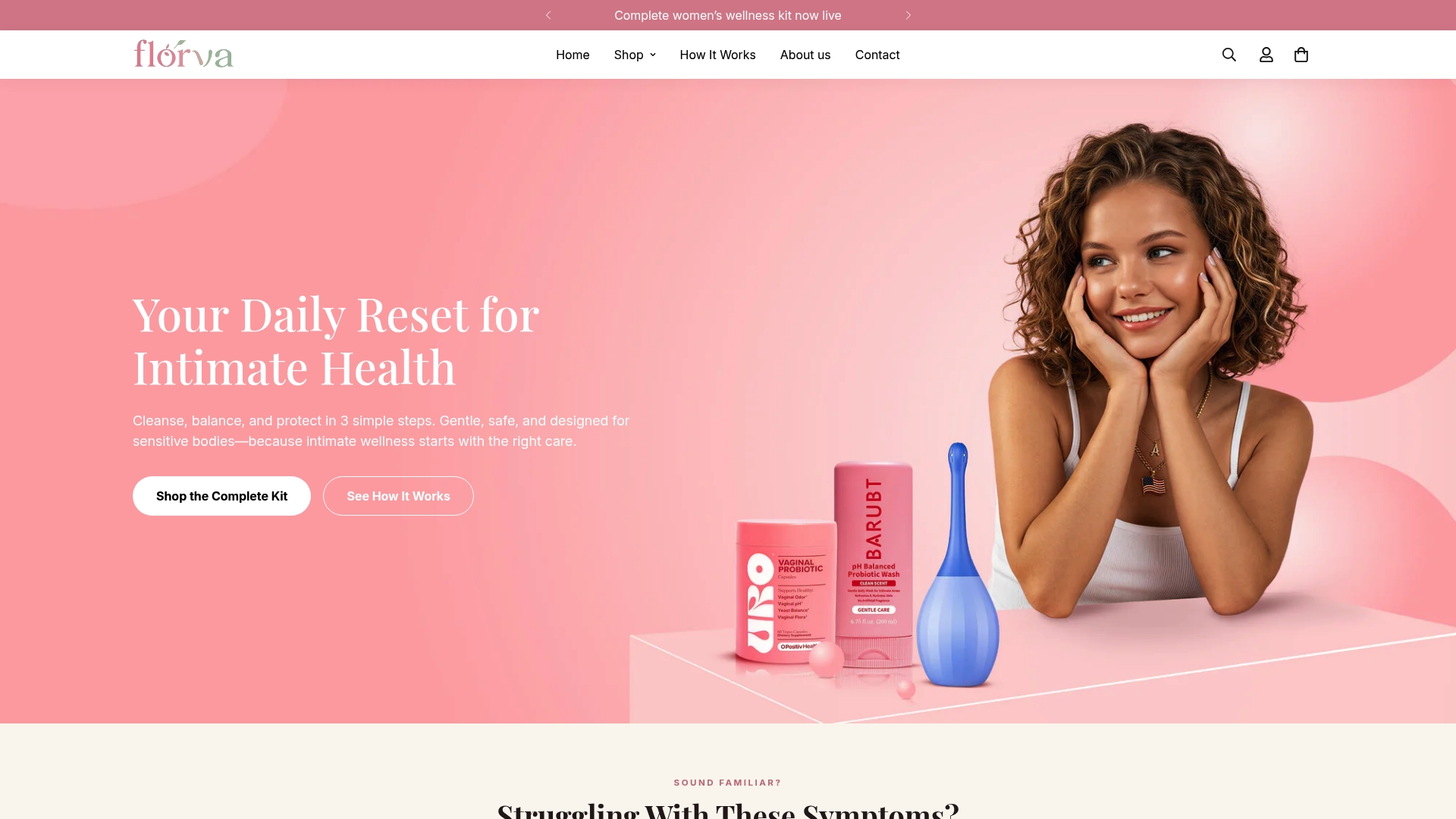
Florvahealth’s range supports the gut side of the gut-mood link described above. Women’s probiotic capsules support gut and intimate health, and digestive enzyme capsules support digestion. They are a natural, non-medicated complement to cycle syncing and lifestyle changes, not a mood treatment. Understanding your triggers comes first, and these can help with the daily basics.
FAQ
What are the main mood swing triggers in hormonal women?
The primary triggers are rapid, unpredictable fluctuations in estrogen and progesterone that destabilize serotonin, dopamine, and GABA signaling in the brain. Blood sugar crashes, chronic stress, and poor sleep amplify these hormonal effects significantly.
Why do mood swings get worse before a period?
The late luteal phase brings a sharp drop in progesterone, which removes the calming effect of allopregnanolone on GABA-A receptors. This is the brain’s primary calming system, and its sudden withdrawal causes anxiety, irritability, and emotional lability in the days before menstruation.
What is the difference between PMS and PMDD?
PMDD requires at least five impairing mood symptoms during the luteal phase, including depression, anxiety, or emotional lability, with full resolution after menstruation begins. PMS involves fewer or less severe symptoms and does not meet the clinical threshold for significant functional impairment.
Can lifestyle changes actually reduce hormonal mood swings?
Yes. Stabilizing blood sugar through regular protein-rich meals, reducing chronic stress, prioritizing 7–9 hours of sleep, and cycle syncing exercise and nutrition each reduce the severity of hormonal mood swings by lowering cortisol and supporting neurotransmitter production.
When should I see a doctor about hormonal mood swings?
See a provider if mood symptoms significantly impair your work, relationships, or daily function for two or more consecutive cycles. Prospective daily symptom tracking using a tool like the DRSP for two cycles gives your provider the data needed for an accurate diagnosis and targeted treatment plan.
Recommended
- Why Hormonal Symptoms Vary Monthly: What’s Really Going On
- Thyroid and Hormone Balance Explained for Women
- Hormonal Cycle Phases Explained for Better Health
- Hormonal Acne Cycle Phases Explained for Women
Sources
- Premenstrual syndrome (PMS) — Office on Women's Health
- Premenstrual dysphoric disorder — MedlinePlus, National Library of Medicine
- Menstrual Cycle: Overview & Phases — Cleveland Clinic


