

Cyclical living is the intentional practice of aligning your daily habits with your menstrual cycle phases to support natural hormone balance and overall well-being. Women who practice cyclical living for hormonal health report steadier energy, fewer PMS symptoms, and a clearer sense of their body’s natural rhythms. The approach draws on a well-established principle: your hormones shift predictably across four phases each month, and your nutrition, movement, and rest can shift with them. This is not a trend. It is a framework for building body literacy that compounds over time.
How to practice cyclical living for hormonal health
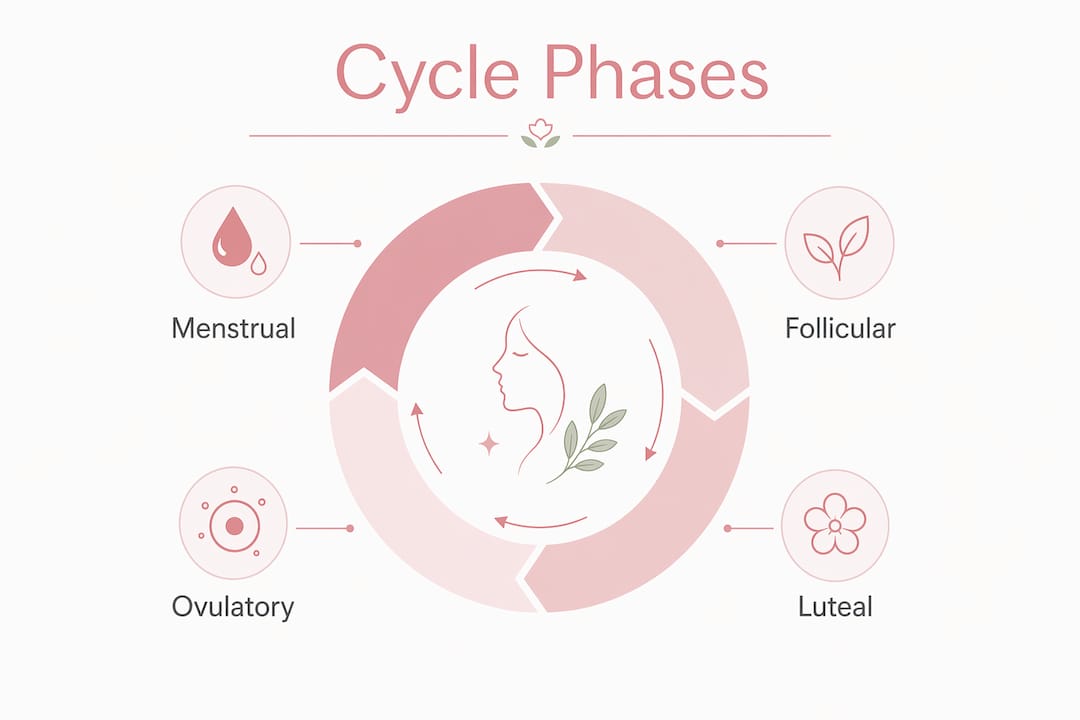
The menstrual cycle divides into four phases, each with a distinct hormonal signature. Understanding those signatures is the foundation of every cyclical lifestyle benefit you will experience.
The four phases and what they do
- Menstrual phase (days 1–5 approximately): Estrogen and progesterone drop to their lowest levels. Energy is low, and the body directs resources inward. Rest and gentle movement are the most productive choices here.
- Follicular phase (days 6–13 approximately): Estrogen rises steadily. Mental clarity, motivation, and physical stamina increase. This is the best window for starting new projects, intense workouts, and social commitments.
- Ovulatory phase (days 14–16 approximately): Estrogen peaks and a surge of luteinizing hormone triggers ovulation. Communication skills and confidence tend to peak alongside hormones. High-intensity training and collaborative work feel natural.
- Luteal phase (days 17–28 approximately): Progesterone rises and then falls. Energy becomes more inward-focused. Cravings increase, and PMS symptoms can appear in the final days if hormones are not well-supported.
Cycle length varies widely. A healthy cycle can range from 21 to 35 days, which means the phase windows above are approximate, not fixed. Treating them as a rigid 28-day calendar is the most common mistake women make when starting out.
Pro Tip: Track your actual experience, not a textbook template. Logging mood, energy, sleep quality, and physical symptoms for two to three cycles reveals your personal pattern far more accurately than any generic phase chart.
Personalized tracking outperforms fixed-calendar approaches, especially for women with irregular cycles. Your data is more useful than any average.
What should you eat during each cycle phase?
Nutrition is the most direct lever you have for supporting hormonal balance. The foundational rule is simple: pair protein, healthy fats, and fiber at every meal to prevent insulin spikes that disrupt hormones. Blood sugar stability is the non-negotiable baseline before any phase-specific strategy matters.

Phase-by-phase nutrition highlights
| Phase | Nutritional focus | Example foods |
|---|---|---|
| Menstrual | Replenish iron and magnesium lost through bleeding | Lentils, dark leafy greens, dark chocolate, pumpkin seeds |
| Follicular | Support rising estrogen with antioxidants and light proteins | Eggs, berries, fermented foods, broccoli |
| Ovulatory | Anti-inflammatory foods to support the hormonal surge | Salmon, flaxseed, colorful vegetables, turmeric |
| Luteal | Complex carbohydrates and B vitamins to ease progesterone drop | Sweet potato, oats, chickpeas, sunflower seeds |
Focusing on macronutrient pairing is more practical than building elaborate phase-specific meal plans, particularly for managing insulin resistance and hormonal symptoms. The table above gives you direction, not a rigid prescription. Overly restrictive diets backfire by increasing cortisol, which directly suppresses reproductive hormones.
Snack choices matter as much as main meals. A handful of almonds with an apple stabilizes blood sugar between meals better than a processed snack bar. For more detail on hormone-friendly snacks, Florvahealth has a dedicated guide worth bookmarking.
Pro Tip: In the luteal phase, cravings for carbohydrates are physiologically real, not a lack of willpower. Choosing complex carbs like oats or sweet potato satisfies the craving while keeping blood sugar stable.
Hydration also plays a direct role in hormone transport and detoxification. Estrogen and progesterone metabolites are cleared through the liver and kidneys, and both organs need adequate water to function well. Florvahealth’s guide on hydration and hormones explains the connection in practical terms.
How does exercise fit into a cyclical lifestyle?
Movement is one of the most powerful natural hormonal support tools available, but the type and intensity of exercise matters as much as the frequency. Exercise affects metabolism, stress response, and reproductive hormones, and overexercise can suppress hormones enough to cause menstrual changes. That finding reframes how you think about rest days.
Phase-appropriate movement
- Menstrual: Yin yoga, slow walks, gentle stretching. The goal is circulation without depletion.
- Follicular: Strength training, cycling, dance classes. Rising estrogen supports muscle recovery and endurance.
- Ovulatory: HIIT, running, group fitness. Peak hormones mean peak physical capacity.
- Luteal (early): Moderate strength work, Pilates, hiking. Energy is still available but begins to taper.
- Luteal (late): Walking, restorative yoga, swimming at low intensity. Honor the shift rather than fight it.
Rest and slower movement in low-energy phases are not signs of failure. They are the recovery component that makes high-output phases possible. Elite sports teams now use hormonal phase awareness to schedule training loads and reduce injury risk. That same logic applies to your personal fitness routine.
Pro Tip: If you feel exhausted after a workout that used to feel easy, check where you are in your cycle before assuming you are out of shape. Luteal-phase fatigue during high-intensity training is a signal to scale back, not push through.
Avoiding overexercise is especially relevant for women in their 20s and 30s who train consistently. Signs of hormonal suppression from overtraining include missed periods, persistent fatigue, and disrupted sleep. If those symptoms appear, reducing training volume and increasing caloric intake are the first steps before seeking medical evaluation.
How do you start implementing cyclical living day to day?
Starting a cyclical lifestyle does not require an overhaul. It requires observation, then gradual adjustment.
- Download a cycle tracking app. Apps like Clue or Natural Cycles let you log period dates, symptoms, mood, and energy. Two to three months of data gives you a reliable personal pattern.
- Start a cycle journal. Each morning, write one sentence about your energy level, one about your mood, and one about any physical symptoms. This takes under two minutes and builds pattern recognition fast.
- Map your work and social calendar to your phases. Schedule presentations, creative brainstorming, and high-stakes meetings in the follicular and ovulatory phases. Reserve administrative tasks and solo work for the luteal phase.
- Adjust meals one phase at a time. Do not try to overhaul your entire diet at once. Start with the menstrual phase, add iron-rich foods, and observe how you feel. Build from there.
- Plan rest deliberately. Block time for lower-intensity activity in the late luteal and menstrual phases the same way you would block a meeting. Treat it as a scheduled commitment, not an optional indulgence.
The comparison below shows how two common scheduling approaches differ in practice.
| Approach | Fixed schedule | Cyclical schedule |
|---|---|---|
| Energy management | Same output expected daily | Output matched to hormonal capacity |
| Exercise | Same workout type each week | Intensity varies by phase |
| Nutrition | Consistent meal plan regardless of phase | Macronutrient emphasis shifts by phase |
| Productivity | Peaks and crashes feel random | Peaks and dips feel predictable and manageable |
Flexibility is built into the method. If your cycle shifts by a few days, your phase windows shift with it. The goal is awareness, not perfection.
What challenges come up when practicing cyclical living?
Irregular cycles are the most common barrier women encounter. Conditions like polycystic ovary syndrome (PCOS), thyroid dysfunction, and high stress can make cycle length unpredictable. The solution is to track symptoms rather than dates. When you log how you feel each day, patterns emerge even without a textbook-regular cycle.
Cyclical living builds body literacy over time. It is not a quick fix for hormone disorders, and it works best alongside, not instead of, medical care when a diagnosed condition is present.
Conflicting schedules and social obligations create friction too. A work deadline during your menstrual phase does not disappear because your hormones want rest. The practical answer is to reduce unnecessary output during that window rather than eliminate all demands. Cancel what you can, delegate what you can, and protect sleep above all else.
Misconceptions about rigidity also derail women early on. Cyclical living is not a rigid 28-day plan. Expecting to follow phase guidelines perfectly every month creates the same stress the practice is meant to reduce. Treat the framework as a guide, not a rulebook.
Working with a gynecologist, registered dietitian, or functional medicine practitioner accelerates results and catches underlying issues that lifestyle changes alone cannot address. Cyclical living complements medical care. It does not replace it.
Key Takeaways
Cyclical living works because aligning nutrition, movement, and rest with your menstrual cycle phases reduces hormonal friction and builds sustainable well-being over time.
| Point | Details |
|---|---|
| Know your four phases | Menstrual, follicular, ovulatory, and luteal each require different energy outputs and nutritional support. |
| Anchor nutrition in macronutrient pairing | Protein, fat, and fiber at every meal stabilizes blood sugar, which is the foundation of hormonal balance. |
| Match exercise intensity to hormonal capacity | High-intensity training fits follicular and ovulatory phases; rest and gentle movement fit menstrual and late luteal. |
| Track symptoms, not just dates | Logging mood, energy, and physical symptoms gives more accurate phase data than a fixed 28-day calendar. |
| Cyclical living complements medical care | It builds body literacy over time but is not a substitute for treatment when a hormone disorder is diagnosed. |
Why I think most women are living against their own biology
I spent years treating fatigue and mood swings as personal failures before I understood they were hormonal signals. The shift that changed everything was not a supplement or a diet. It was recognizing that my body was not broken. It was cycling.
The guilt that comes with low-energy days is real, and it is also completely unnecessary. Hormonal fluctuations are predictable rhythms to work with, not flaws to suppress. Once you see them that way, the whole relationship with your body changes. You stop fighting your luteal phase and start protecting it.
The hardest part of cyclical living in a modern schedule is not the nutrition or the workouts. It is giving yourself permission to rest without justification. Rest phases are a vital part of any productive cycle. Recognizing rest as an intelligent strategy, not laziness, is the mindset shift that makes everything else sustainable.
My honest advice: start with observation only. Do not change anything for the first month. Just track. By month two, you will know exactly where to begin.
— Zamanee
Florvahealth’s system for women’s hormonal wellness
Cyclical living gives you the framework. Florvahealth gives you the support system to make it work at every phase.
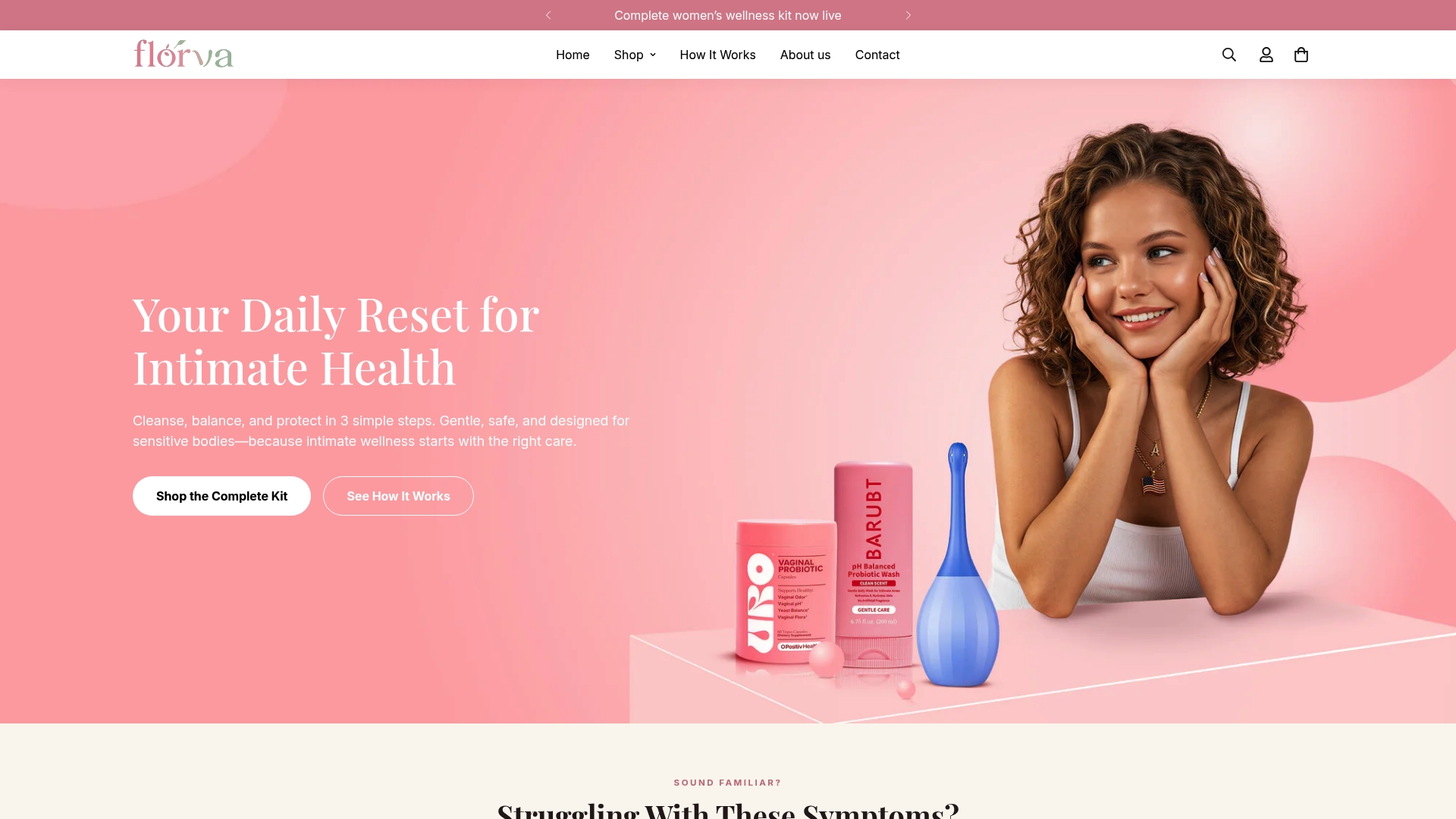
Florvahealth’s women’s hormone balance system addresses the inside-out connection between gut health, hormone regulation, and skin clarity. The product range includes probiotic capsules, pH-balanced washes, and targeted relief patches designed to reduce PMS symptoms, bloating, and hormonal acne without relying on synthetic hormones. For women in the luteal phase dealing with bloating and cramps, the PMS and bloating relief kit offers targeted, natural relief that fits directly into a cyclical care routine. Florvahealth’s approach is built for women who want real solutions that work with their biology, not against it.
FAQ
What is cyclical living for hormonal health?
Cyclical living is the practice of aligning nutrition, exercise, rest, and daily habits with the four phases of the menstrual cycle to support natural hormone balance. The goal is to work with hormonal rhythms rather than ignore them.
How long does it take to see results from cyclical living?
Most women notice meaningful shifts in energy and mood after two to three full cycles of consistent tracking and lifestyle adjustments. Building body literacy takes time, and results compound with practice.
Can you practice cyclical living with an irregular cycle?
Yes. Tracking symptoms such as mood, energy, and physical changes rather than relying on fixed dates makes cyclical living accessible even when cycle length varies. Patterns emerge from symptom data regardless of cycle regularity.
Does cycle-syncing nutrition require a strict diet?
No. The foundation is pairing protein, healthy fats, and fiber at every meal to stabilize blood sugar. Phase-specific food choices add nuance but are not mandatory for hormonal balance practices to work.
When should you see a doctor instead of relying on cyclical living?
Cyclical living supports general hormonal wellness but does not treat diagnosed conditions like PCOS, endometriosis, or thyroid disorders. Persistent irregular cycles, severe PMS, or missed periods warrant evaluation by a healthcare provider.
Recommended
- Simple Skin Care and Hormones: Your Practical Guide
- Hormonal Cycle Phases Explained for Better Health
- Why Daily Rituals Support Hormones: a Women’s Guide
- Thyroid and Hormone Balance Explained for Women
Sources
- Your menstrual cycle — Office on Women's Health
- Menstrual Cycle: Overview & Phases — Cleveland Clinic
- Getting Active — Office on Women's Health


