

Yes, you should sync wellness habits to your menstrual cycle. Hormonal shifts across your cycle directly affect energy, appetite, sleep quality, and mood, and working with those shifts rather than against them can reduce the friction between how you feel and what you’re asking your body to do. The Cleveland Clinic confirms that hormonal fluctuations influence all three, making cycle-aware habit adjustments a practical, evidence-grounded strategy. Start here:
- Track your cycle for at least two to three months, noting energy, mood, and sleep each day.
- Pick one habit to adjust first, such as swapping a high-intensity workout for a walk during the first two days of your period.
- Schedule micro-adjustments by blocking five minutes each Sunday to review where you are in your cycle and plan the week’s movement and meals accordingly.
Table of Contents
- What cycle syncing actually means (and what it doesn’t)
- The four phases at a glance
- Menstrual phase (days 1–5): rest, iron, and gentle movement
- Follicular phase (days 6–13): use rising energy for strength and creativity
- Ovulatory phase (days 14–16): peak strength and social energy
- Luteal phase (days 17–28): managing appetite, sleep, and PMS
- How to track your cycle and personalize this plan
- What the science actually supports
- Start this month: a simple 4-week starter plan
- Key Takeaways
- Cycle syncing in real life looks messier than the apps suggest
- How Florvahealth products fit into a cycle-aware routine
- Useful sources and further reading
What cycle syncing actually means (and what it doesn’t)
Cycle syncing is the practice of adjusting diet, exercise, and self-care habits to match the four hormonal phases of the menstrual cycle. Estrogen tends to boost energy and cognitive sharpness when it rises; progesterone, which dominates the second half of the cycle, tends to increase appetite, raise body temperature, and disrupt sleep. Aligning habits to those predictable shifts is the core idea.
Two misconceptions trip people up before they even start. First, cycle syncing is not a rigid universal schedule. A 28-day template pulled from a social media post will not fit a woman whose cycle runs 32 days or whose luteal phase lasts nine days instead of fourteen. Second, it does not guarantee measurable performance improvements. The evidence supports hormonal effects on subjective energy and appetite, not a promise that you will lift heavier or think faster on specific days.
“Cycle syncing is best used as a personalization framework rather than a strict protocol. The goal is self-awareness, not a new set of rules to follow perfectly.”
— Geisinger Health clinician perspective, via Geisinger
The Conversation puts it plainly: social-media-driven rigid phase rules are not backed by strong evidence, and listening to your own bodily cues matters more than any fixed schedule.
The four phases at a glance
Understanding the hormonal cycle phases gives you the map before you start adjusting the route. Day ranges below are approximate; your personal cycle may run shorter or longer.
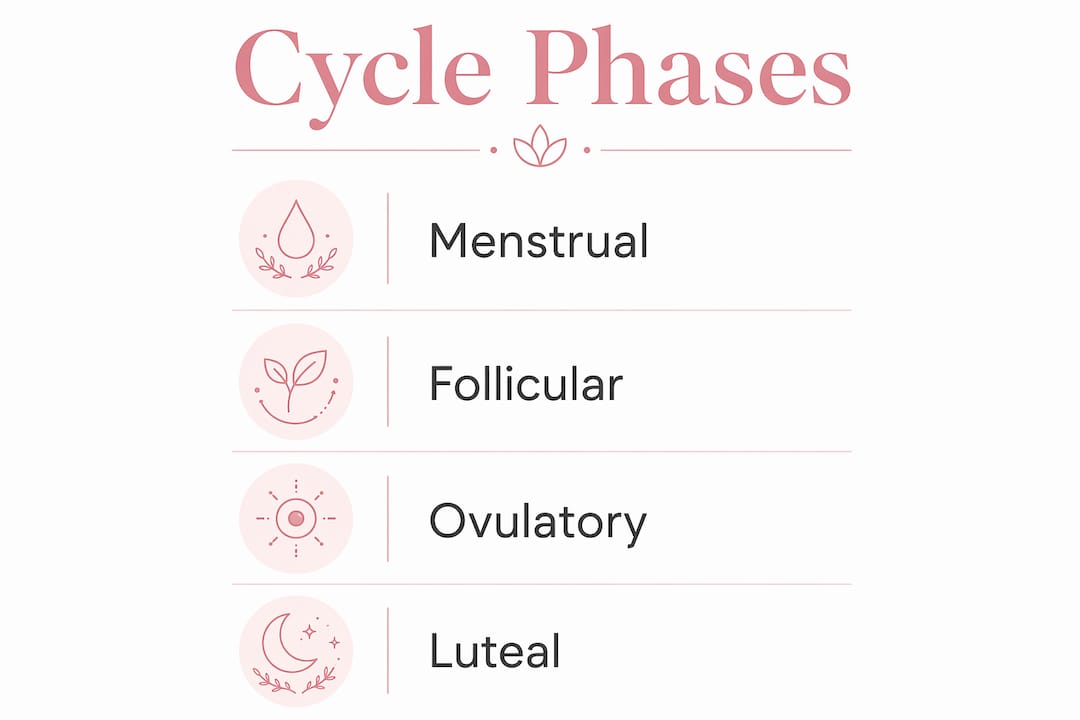
- Menstrual phase (days 1–5): Estrogen and progesterone are at their lowest. Energy is often at its floor, and the body is shedding the uterine lining. Sleep can feel heavier or more disrupted.
- Follicular phase (days 6–13): Estrogen climbs steadily. Most people notice improving energy, sharper focus, and a lighter appetite. This is the phase that feels like a reset.
- Ovulatory phase (days 14–16): Estrogen peaks and testosterone spikes briefly. Energy and social confidence often peak here too, and some people notice a reduced appetite.
- Luteal phase (days 17–28): Progesterone rises sharply. Appetite increases, body temperature ticks up, sleep quality can drop, and PMS symptoms build toward the end of this window.
Cycle length varies widely. If yours runs 25 days or 35, simply compress or extend the luteal phase estimate; the menstrual and ovulatory windows stay relatively short for most people. Track bleeding, cervical mucus changes, and waking body temperature to identify where you actually are rather than guessing from a calendar.
Menstrual phase (days 1–5): rest, iron, and gentle movement
Energy is often at its lowest during menstruation, driven by the drop in both estrogen and progesterone and the physical demands of bleeding. This is not the week to push hard.
Movement: Gentle yoga, slow walks, and light stretching are the most supportive choices. NewYork-Presbyterian notes that skipping intense training on your heaviest days is a legitimate, clinician-endorsed option, not a sign of weakness. If you feel good enough for moderate cardio, go for it, but let your body lead.
Nutrition: Iron-rich foods matter here because menstrual blood loss depletes iron stores. Lentils, spinach, grass-fed beef, pumpkin seeds, and fortified oats are practical choices. Pair plant-based iron with vitamin C (think lemon juice on spinach or bell peppers alongside lentils) to improve absorption. Warm, easy-to-digest meals tend to feel better than raw salads when cramping is present. Hydration helps with bloating and fatigue; aim for water with a pinch of sea salt or an electrolyte-rich broth if you’re losing more fluid than usual.
Self-care: Sleep hygiene matters more this week than any other. Keeping a consistent bedtime and reducing screen exposure before sleep can offset the disrupted rest many people experience on days 1–3. Pacing social and work demands, if you have any flexibility, reduces the mismatch between what your body wants and what your calendar demands. For holistic PMS management, heat therapy, magnesium, and gentle abdominal massage are among the most evidence-adjacent options for cramp relief.
Pro Tip: Batch-cook a warm, iron-rich breakfast before your period starts. Steel-cut oats with pumpkin seeds and a handful of spinach stirred in takes ten minutes on a Sunday and removes the decision fatigue of cooking when you feel your worst.
Follicular phase (days 6–13): use rising energy for strength and creativity
Rising estrogen is the engine of this phase. Most people notice a genuine lift in energy, mood, and cognitive sharpness, and research supports estrogen’s role in improving both physical performance capacity and learning consolidation.
Exercise options that fit this window well:
- Strength training with progressive overload, since estrogen supports muscle protein synthesis
- Higher-intensity cardio intervals or skill-based classes (dance, martial arts, climbing)
- Learning new movement patterns, since coordination and motor learning tend to improve with rising estrogen
- Longer workout sessions if energy allows, since recovery tends to be faster here than in the luteal phase
Nutrition: Lighter meals tend to feel natural because appetite is often lower. Lean protein (chicken, fish, eggs, legumes), complex carbohydrates (quinoa, sweet potato, oats), and a wide range of colorful vegetables support the energy demands of harder training. Quick snack ideas: Greek yogurt with berries, a hard-boiled egg with avocado on rice cakes, or an apple with almond butter. This is also a good phase to experiment with new recipes, since motivation and curiosity tend to run higher.
Productivity angle: Schedule your most cognitively demanding work, creative projects, or difficult conversations in this window. Many people find that the follicular phase is when new ideas come more easily and sustained focus feels less effortful. It’s worth testing whether that holds for you before committing to a rigid schedule.

Ovulatory phase (days 14–16): peak strength and social energy
Estrogen hits its highest point and testosterone briefly surges during ovulation. For many people, this three-day window brings the clearest sense of physical and social confidence across the entire cycle.
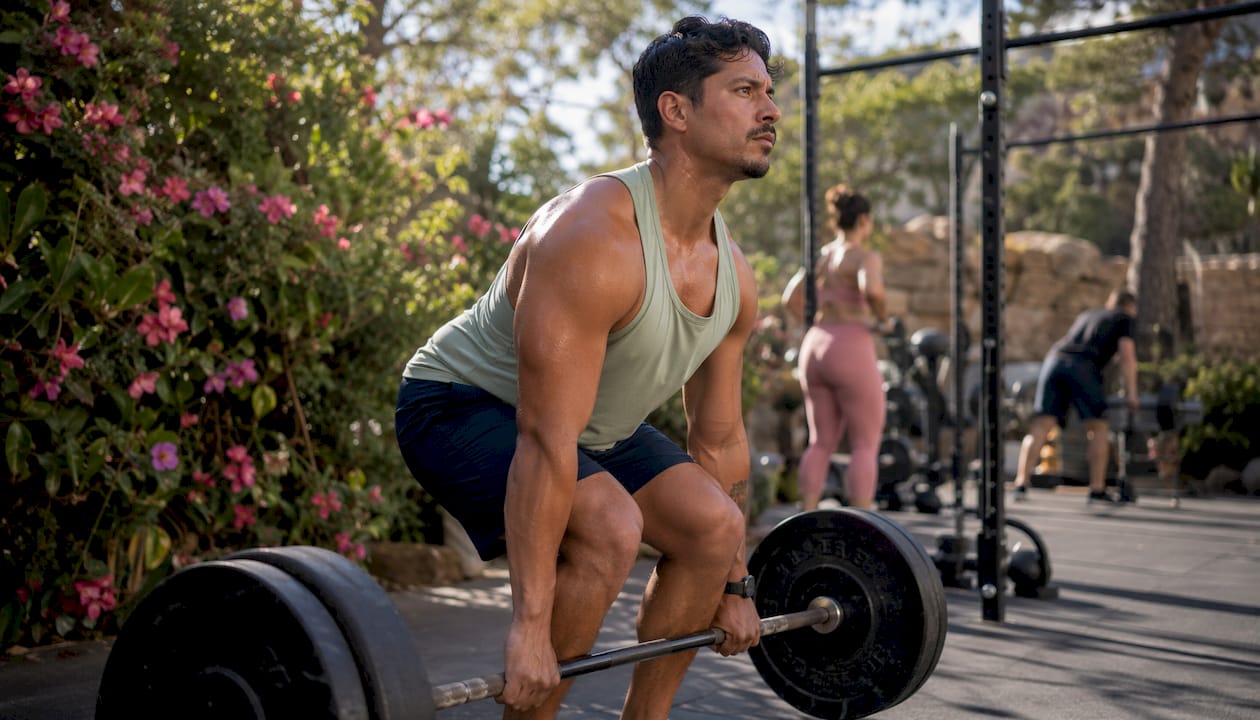
Training: This is the phase to schedule your hardest sessions, heaviest lifts, or any competitive event. Peak grip strength, aerobic capacity, and pain tolerance have all been observed to improve around ovulation in small studies. One practical caveat: estrogen at very high levels may slightly increase ligament laxity, so warming up thoroughly before heavy lower-body work is worth the extra five minutes.
Nutrition: Protein stays the priority to support the training load. Anti-inflammatory foods like fatty fish, walnuts, olive oil, and dark leafy greens help manage any post-workout inflammation. Hydration needs tend to increase with higher-intensity output, so drinking consistently throughout the day rather than catching up at night is a simple fix.
Pro Tip: If you consistently notice a boost in confidence and verbal fluency around days 14–16, schedule presentations, client calls, or difficult conversations in this window. Test it across two or three cycles before treating it as a rule.
Social and work scheduling: Ovulation often brings a natural openness to connection and communication. If you track mood alongside cycle data, you may find this is when networking, socializing, and collaborative work feel least draining.
Luteal phase (days 17–28): managing appetite, sleep, and PMS
Progesterone’s rise defines this phase, and its effects are the most varied and, for many people, the most disruptive. The Cleveland Clinic notes that resting energy expenditure rises by approximately 10% during the luteal phase, which explains both the increased appetite and the elevated body temperature that makes sleep harder.
Movement strategy for the luteal phase:
- Start the phase (days 17–21) with moderate-intensity training: steady-state cardio, Pilates, moderate lifting
- Taper toward restorative movement (yoga, walking, stretching) as days 24–28 approach and energy dips
- Skip the guilt about reduced output; the body is doing more metabolic work at rest
Nutrition: Complex carbohydrates are your best tool for managing cravings and stabilizing mood. Oats, brown rice, sweet potatoes, and legumes provide steady glucose without the crash that follows refined sugar. Magnesium-rich foods (dark chocolate, pumpkin seeds, black beans, avocado) support sleep quality and may reduce cramp severity. B6-rich foods (salmon, chickpeas, bananas, turkey) are associated with reduced PMS-related mood symptoms. For mood swings driven by hormonal shifts, reducing alcohol and caffeine in the late luteal window makes a measurable difference for many people.
A 2024 meta-analysis in Nutrition Reviews found that energy intake is significantly higher during the luteal phase compared with the follicular phase, driven by progesterone’s appetite-stimulating effects.
Sleep and temperature: Keep your bedroom cool (around 65–68°F is the commonly cited range for sleep quality). A lukewarm shower before bed, lightweight bedding, and avoiding heavy meals within two hours of sleep all help offset the progesterone-driven temperature rise. If you experience significant insomnia or mood disruption in the late luteal phase, that pattern repeated across cycles is worth discussing with a provider.
How to track your cycle and personalize this plan
Tracking is the foundation. Without two to three cycles of data, you’re applying a generic template to a body that may not match it.
- Choose a tracking method. Period-tracking apps like Clue or Flo capture flow, mood, energy, and symptoms in under two minutes a day. Wearables from companies like Voltra Health add objective biometric data (skin temperature, heart rate variability, sleep stages) that can reveal luteal-phase shifts you might otherwise miss.
- Log these signals daily: flow intensity, energy level (1–5 scale), mood, sleep quality, appetite, and any workouts completed.
- Review after two cycles. Look for patterns: Which days did energy crash? When did cravings spike? When did sleep feel worst? Those patterns are your personalization data.
- Make one change at a time. Swap one workout or one meal category per phase, then assess after another cycle before adding more changes.
- Adjust for irregular cycles. If your cycle length varies by more than seven days month to month, focus on phase signals (bleeding, cervical mucus, temperature) rather than calendar day ranges. Tracking symptoms matters more than hitting a specific day number.
- Hormonal contraception: Combined hormonal contraceptives suppress the natural hormonal cycle, so the four-phase framework does not apply in the same way. Progestin-only methods and hormonal IUDs vary in their effects. If you use hormonal contraception and want to apply cycle-aware habits, talk to your provider about what hormonal variation, if any, remains.
- Red flags that warrant medical review: Cycles shorter than 21 days or longer than 35 days consistently, severe pain that disrupts daily function, very heavy bleeding, or significant mood disruption (PMDD-level) are all reasons to consult a clinician before relying on self-management strategies alone.
What the science actually supports
The honest summary: hormones do affect appetite, sleep, and subjective energy across the cycle, and that evidence is solid. What is less established is whether specific food or exercise prescriptions for each phase produce measurable clinical outcomes.
| Evidence area | What the research shows | Strength of evidence |
|---|---|---|
| Luteal-phase appetite increase | Energy intake significantly higher in luteal vs. follicular phase | Strong (2024 meta-analysis, Nutrition Reviews) |
| Sleep disruption in luteal phase | Progesterone rise linked to elevated temperature and fragmented sleep | Moderate (multiple observational studies) |
| Subjective energy and mood shifts | Estrogen rise associated with improved mood and energy reports | Moderate (observational; self-report data) |
| Phase-specific exercise prescriptions | Small studies show performance variation; no large RCTs confirm rigid protocols | Weak to emerging |
| Phase-specific dietary prescriptions | Plausible mechanisms; no large RCTs validating specific meal plans | Weak; expert consensus only |
The Cleveland Clinic and Geisinger both frame cycle syncing as a self-awareness tool rather than a clinical protocol. Wearable and sleep research is ongoing, but large randomized controlled trials validating rigid phase-specific prescriptions do not yet exist.
“The strongest case for cycle syncing is not that it optimizes performance — it’s that it reduces the mismatch between what your body needs and what you’re asking it to do.”
— Synthesis of Cleveland Clinic and The Conversation guidance
The femtech market was valued at $66.2 billion in 2025 and is projected to reach $255.5 billion by 2035, reflecting how mainstream cycle-aware wellness has become, though market size says nothing about clinical efficacy.
Start this month: a simple 4-week starter plan
Keep changes small. Test for one to three cycles before drawing conclusions.
- Week 1 (menstrual phase): Swap one high-intensity workout for a 30-minute walk or gentle yoga session. Add one iron-rich meal per day (lentil soup, spinach omelet). Log energy and sleep each evening.
- Week 2 (follicular phase): Return to or increase training intensity. Try one new strength exercise or a higher-intensity class. Add a lean protein source to at least two meals. Schedule your most demanding work tasks mid-week.
- Week 3 (ovulatory phase): Schedule your hardest workout of the month. Prioritize protein and anti-inflammatory foods. Note mood and social energy in your tracker.
- Week 4 (luteal phase): Shift to moderate then restorative movement by the final four days. Add magnesium-rich snacks (pumpkin seeds, dark chocolate). Reduce caffeine after noon. Log sleep quality and any PMS symptoms.
Sample meals by phase:
- Menstrual: Warm lentil and spinach soup; oatmeal with pumpkin seeds and a squeeze of lemon
- Follicular: Grilled chicken with quinoa and roasted vegetables; Greek yogurt with berries
- Ovulatory: Salmon with olive oil and dark leafy greens; walnut and avocado salad
- Luteal: Sweet potato with black beans and avocado; banana with almond butter; a square of dark chocolate
Daily tracking template (copy this):
- Cycle day:
- Flow (if applicable):
- Energy (1–5):
- Mood (1–5):
- Sleep quality (1–5):
- Workout completed:
- Notable food cravings or symptoms:
After one full cycle, review your log and identify the two or three days where energy was lowest and the two or three where it peaked. Those are your personalization anchors for the next cycle.
Key Takeaways
Syncing wellness habits to your menstrual cycle works best as a personalization framework built on your own tracked data, not a rigid universal schedule.
| Point | Details |
|---|---|
| Track before you change | Log energy, mood, sleep, and appetite for 2–3 cycles to find your personal patterns. |
| Luteal appetite is real | A 2024 Nutrition Reviews meta-analysis confirms energy intake rises significantly in the luteal phase; plan meals accordingly. |
| Start with one habit | Swap one workout or one meal category per phase and assess results before adding more changes. |
| Hormonal contraception changes the picture | Combined hormonal contraceptives suppress the natural four-phase cycle; consult your provider about what applies to you. |
| Florvahealth support for these phases | Probiotic capsules and digestive enzymes fit the nutrition strategies outlined for these phases. |
Cycle syncing in real life looks messier than the apps suggest
The version of cycle syncing that gets shared online tends to look frictionless: you track your app, eat the right foods, crush your workouts on the right days, and feel transformed. The reality is more interesting and more useful than that.
What actually shifts when you start paying attention is not your performance on a specific day. It’s the surprise of realizing that the Tuesday you felt inexplicably flat and unproductive was day two of your period, and that this happens every single month. That recognition alone changes how you respond. Instead of pushing through a heavy training session and feeling worse, you take a walk. Instead of scheduling a high-stakes presentation on a day when your energy historically crashes, you move it three days later. These are small decisions, but compounded across months, they reduce a specific kind of stress: the stress of expecting yourself to perform at a constant level when your physiology is cycling.
The science does not yet support rigid prescriptions, and The Conversation’s critique of social-media cycle syncing is fair. But the self-awareness argument stands on its own. Tracking patterns and making small, responsive adjustments is a reasonable, low-risk strategy for anyone who experiences predictable energy or symptom variation across the month. The goal is not optimization. It’s reducing the friction between your body and your life.
How Florvahealth products fit into a cycle-aware routine
Habit changes are the foundation, and products are optional support. That said, certain phases create specific physiological demands where targeted support can make a real difference.
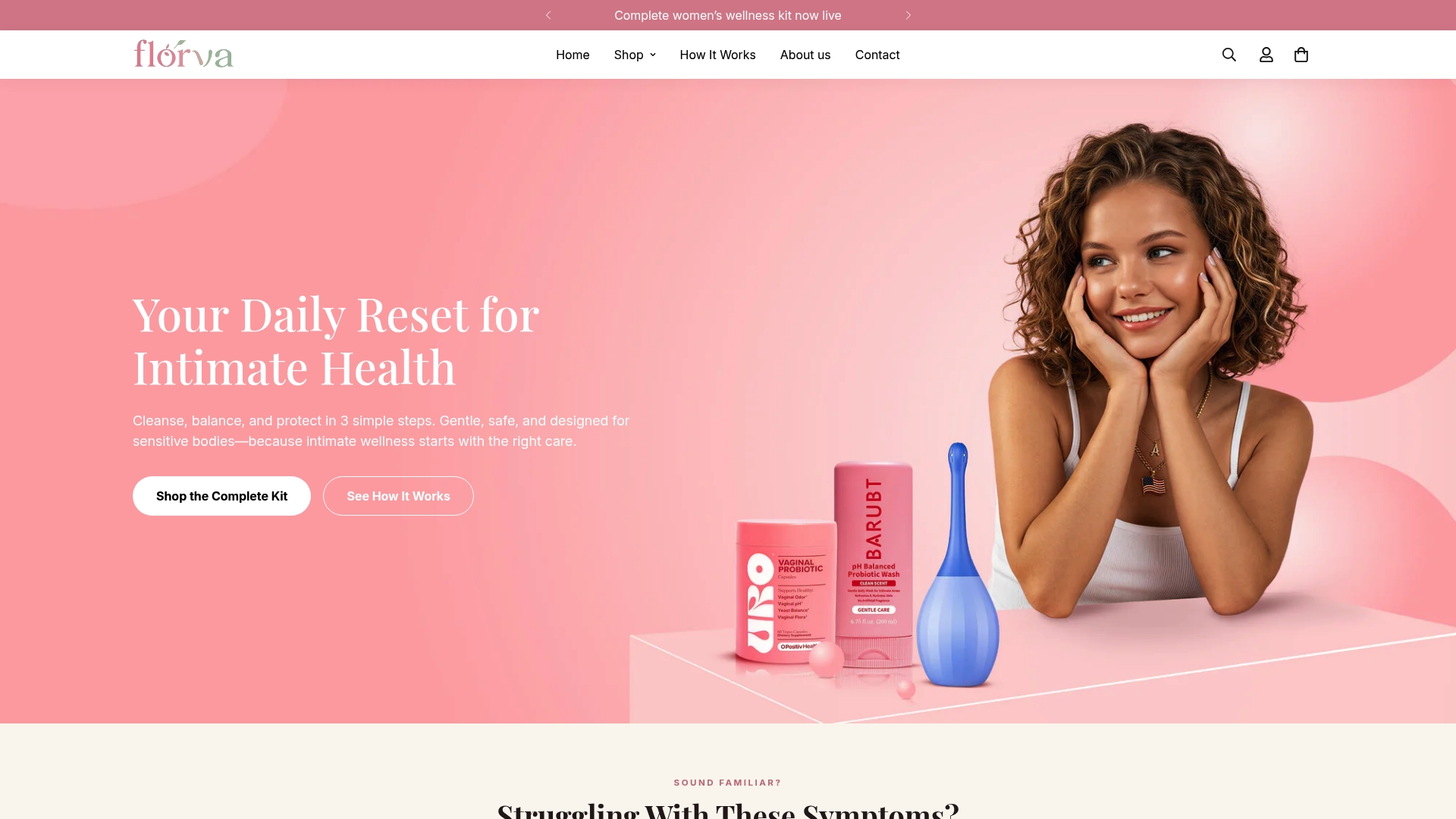
During the menstrual and luteal phases, bloating, cramping and digestive changes are among the most common complaints. For bloating after meals, Florvahealth’s digestive enzyme capsules support digestion. Florvahealth’s probiotic capsules support gut health across the full cycle, which matters because the gut microbiome is linked to estrogen metabolism. For readers who also notice skin changes tied to their cycle, the turmeric and kojic acid foaming cleanser fits the phase-based skincare shifts that often track hormonal changes. None of these products replace the tracking and habit work described above. Visit Florvahealth to see which products fit your current phase.
Useful sources and further reading
- Nutrition Reviews — 2024 meta-analysis on energy intake across cycle phases: The strongest available evidence that luteal-phase appetite increases are real and progesterone-driven.
- Cleveland Clinic — cycle syncing overview: Clinician-reviewed summary of hormonal effects on energy, sleep, and mood with practical caveats.
- Geisinger — practical implementation and clinician perspective: Accessible clinical guidance on benefits, limitations, and when to seek care.
- NewYork-Presbyterian — phase-based nutrition and exercise guidance: Practical medical guidance including iron recommendations and red-flag symptoms.
- The Conversation — balanced critique of cycle syncing: Honest assessment of where the evidence is weak and why personalization beats rigid rules.
- Verywell Mind — consumer guide to cycle syncing: Practical synthesis of benefits and steps for readers new to the concept.
- PubMed — hormonal effects on sleep and circadian rhythms: Primary research on progesterone, temperature, and sleep disruption across the cycle.


