

A targeted morning routine can reduce PMS mood swings, bloating, and hormonal breakouts by anchoring three biological windows at once: cortisol’s natural morning rise, peak insulin sensitivity, and the gut’s most receptive period for microbiome support. Research on the estrobolome and the gut–brain axis shows that what you do in the first hour after waking shapes estrogen clearance, serotonin production, and sebum output for the rest of the day. Florvahealth’s integrated system is built around exactly this logic.
Your 5-step AM routine to start today:
- Hydrate first. Drink water before anything else to restart gut motility and dilute overnight cortisol spikes.
- Take your probiotic or digestive enzyme before or with a small bite of food, when stomach pH is still relatively low and colonization is favored.
- Move for 10 minutes. A brisk walk or light yoga lowers fasting cortisol without spiking it further.
- Eat a protein-and-fiber breakfast. Eat a protein-rich breakfast with vegetables or legumes to stabilize ghrelin and insulin through the morning.
- Cleanse with a pH-balanced product. A gentle, pH-balanced cleanser removes overnight sebum without stripping the skin barrier.
Safety note: If you are pregnant, immunocompromised, or on hormone medications, check with your clinician before adding new supplements.
Pro Tip: Take your probiotic with a small bite of food, not a full meal. A large meal raises stomach pH and can reduce the number of live cultures that reach the intestine.
Key Takeaways
Morning routines support menstrual cycles by anchoring cortisol, insulin, and microbiome activity during the body’s most receptive daily window, with measurable symptom shifts typically appearing within 4–8 weeks of consistent practice.
| Point | Details |
|---|---|
| Morning timing is biological | Cortisol, insulin sensitivity, and gut motility all peak in the morning, making it the best window for probiotic and nutrition inputs. |
| Estrobolome drives estrogen symptoms | Dysbiosis raises β-glucuronidase, recirculating estrogen and worsening bloating, heavy flow, and hormonal acne. |
| Luteal phase needs the most support | GI symptoms peak in the luteal phase across tracked cycles; digestive enzymes and low-GI protein matter most then. |
| Expect changes in 4–12 weeks | Digestion shifts first (weeks 1–2); skin and cycle regularity follow with consistent 8–12-week practice. |
| Florvahealth range | Digestive enzyme and probiotic capsules fit the digestive steps of the morning routine above. |
Table of Contents
- How morning cues shape your hormones and gut microbiome
- Morning habits that actually reduce PMS, bloating, and hormonal skin issues
- How to adapt your routine to each cycle phase
- What to expect and when to track changes
- How to choose safe supplements and topical supports
- The case for doing less, consistently
- Florvahealth’s integrated system for morning cycle support
- Sources
How morning cues shape your hormones and gut microbiome
Morning timing matters because your hormones follow a predictable schedule. Cortisol peaks shortly after waking, a pattern called the cortisol awakening response. When that response is blunted by poor sleep or erratic wake times, insulin sensitivity drops and ghrelin stays elevated longer, which worsens afternoon cravings and amplifies PMS-related mood dips. A PMC review on circadian regulation confirms that circadian disruption and sleep loss alter insulin sensitivity, ghrelin/leptin balance, and cortisol rhythms, all of which interact with menstrual symptom severity.
The gut adds another layer. Most of the body’s serotonin is synthesized in the gut, making the gut–brain axis a direct pathway for premenstrual anxiety and mood symptoms. Gut bacteria also regulate estrogen through the estrobolome, a collection of microbes that produce enzymes to deconjugate and recirculate estrogens. When dysbiosis raises β-glucuronidase activity, more estrogen gets reabsorbed rather than excreted, feeding estrogen-dominant symptoms like bloating, heavy flow, and hormonal acne. A review in MDPI Life details this mechanism and its downstream effects on gynecological health.
The timing link to menstrual disorders is not theoretical. A 2024 Frontiers in Microbiology analysis found that Escherichia/Shigella had a robust association with increased menstrual disorder risk after statistical correction, pointing to specific dysbiotic taxa as meaningful contributors.
| Signal | What the data shows |
|---|---|
| Serotonin synthesis | ~90% produced in the gut, linking microbiome health to PMS mood symptoms |
| Luteal-phase GI symptoms | Bloating and constipation are reported more often in the luteal phase, as shown in a large analysis across menstrual cycles. |
| Circadian disruption | Alters insulin sensitivity, cortisol, and ghrelin rhythms relevant to cycle symptoms |
| Dysbiosis and estrogen | Elevated β-glucuronidase promotes estrogen recirculation and estrogen-dominant symptoms |
Limitation: Most gut-cycle links are observational. Causal studies in humans are still limited, and individual microbiome variation is substantial. These mechanisms support morning habits as a reasonable, low-risk strategy, not a guaranteed fix.
Morning habits that actually reduce PMS, bloating, and hormonal skin issues
1. Hydrate before caffeine
Overnight, the gut slows. Water restarts peristalsis and dilutes the cortisol spike that peaks right after waking. Caffeine on an empty stomach can amplify cortisol further, worsening anxiety and bloating in the luteal phase.

2. Take a probiotic or digestive enzyme first thing
Probiotic timing matters more than most labels acknowledge. Taking a multi-strain probiotic (Lactobacillus and Bifidobacterium spp.) before or with a small bite of food gives live cultures the best chance of surviving stomach acid. Targeting the estrobolome with morning microbiome support can lower β-glucuronidase-mediated estrogen reabsorption over weeks to months. A systematic review in Dermatology and Therapy found probiotics had the most robust evidence base among biotics for acne lesion reduction.
Pro Tip: When bloating is your main symptom, combine a broad-spectrum digestive enzyme with your probiotic first thing. The enzyme reduces fermentation of undigested carbohydrates, which is a primary driver of luteal-phase gas and distension.
3. Eat a protein-and-fiber breakfast
Practical nutrition guidance consistently points to 20–30 g of protein plus fiber at breakfast for stabilizing appetite hormones and reducing afternoon cravings that worsen PMS symptoms. Eggs with leafy greens, Greek yogurt with flaxseed, or a legume-based meal all fit. Low-GI carbohydrates matter especially in the luteal phase, when insulin sensitivity dips.
4. Move for 10–20 minutes
Light-to-moderate movement in the morning lowers fasting cortisol without triggering the inflammatory stress response that intense exercise can cause in the late luteal phase. A 10-minute walk is enough to shift the cortisol curve and improve gut motility.
5. Cleanse with a pH-balanced product
Hormonal skin is sensitive to barrier disruption. A gentle, non-comedogenic cleanser with a pH near 4.5–5.5 removes overnight sebum without stripping the acid mantle. Placing any active ingredient (niacinamide, salicylic acid) after cleansing, not before, reduces irritation risk.
6. Consider myoinositol for androgen-driven acne
A prospective comparative trial found that a myoinositol-based herbal supplement significantly reduced androgen precursors (17-OHP and androstenedione) over 8 weeks while also increasing short-chain fatty acids. Morning dosing improved adherence and metabolic alignment in that trial.
How to adapt your routine to each cycle phase
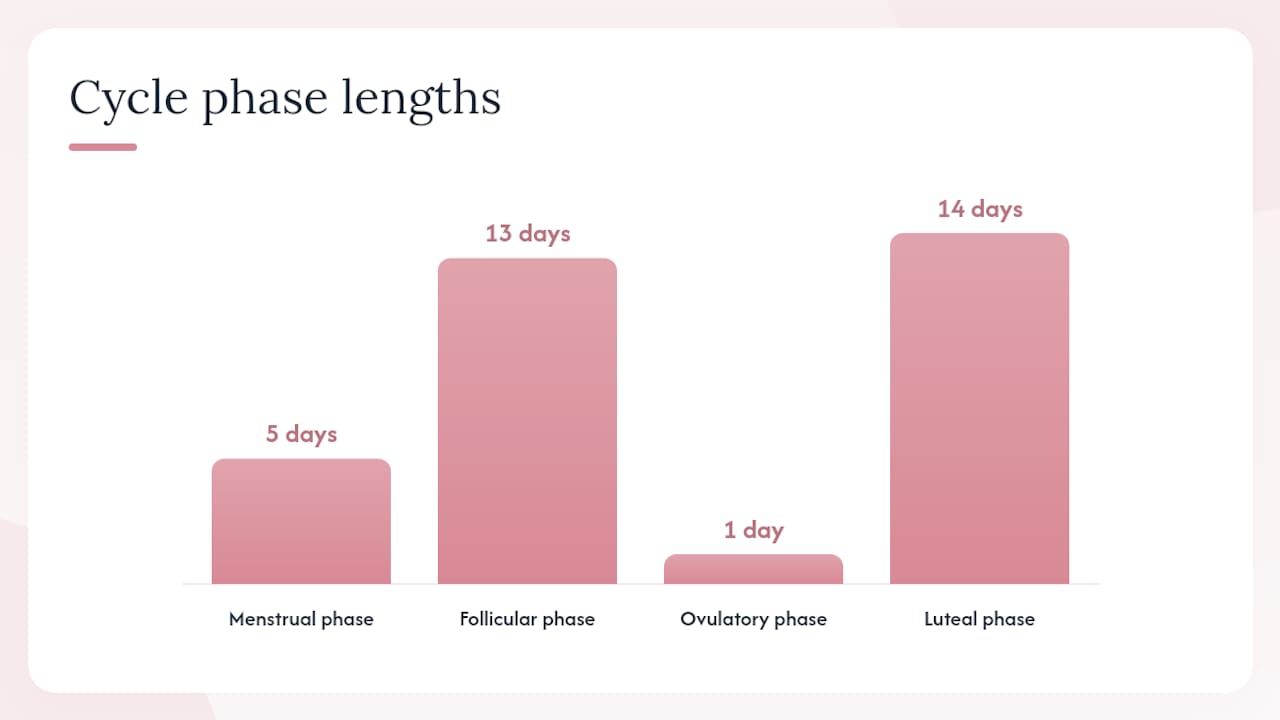
Cyclical living means your morning routine shifts with your hormones, not against them.
Follicular phase (days 1–13 after period ends) Estrogen rises and energy is higher. The gut is more resilient.
- 5 minutes: Water, probiotic, 10-minute walk.
- 20 minutes: Add a protein breakfast with prebiotic fiber (oats, garlic, leeks), a gentle cleanser, and a light active ingredient like niacinamide.
Ovulatory phase (around day 14) Estrogen peaks; LH surges. Skin often looks its best. Gut motility speeds up.
- 5 minutes: Water, probiotic, short movement.
- 20 minutes: Higher-intensity movement is fine here. Focus on antioxidant-rich breakfast (berries, seeds). Keep skincare minimal.
Luteal phase (days 15–28) Progesterone rises, then falls. Bloating, mood dips, and breakouts peak. This is when the GI symptom burden is highest, confirmed across 33,628 tracked cycles.
- 5 minutes: Water, probiotic plus digestive enzyme, 10-minute walk.
- 20 minutes: Low-GI protein breakfast (eggs, lentils), magnesium-rich foods (pumpkin seeds, dark leafy greens), pH-balanced cleanser, and a targeted topical for congestion.
Pro Tip: In the luteal phase, swap high-fiber raw vegetables for cooked ones at breakfast. Cooked fiber is gentler on a gut already prone to bloating and fermentation.
Menstrual phase (days 1–5) Estrogen and progesterone drop. Inflammation rises. The gut is often sluggish.
- 5 minutes: Warm water with lemon, probiotic, gentle stretching.
- 20 minutes: Warming foods (oatmeal, ginger tea), iron-rich additions (spinach, pumpkin seeds), low-irritant skincare only.
What to expect and when to track changes
Realistic timelines keep you consistent when results feel slow.
- Weeks 1–2: Digestion and energy often shift first. Bloating after breakfast may reduce; morning energy feels more stable.
- Weeks 4–8: Cycle symptom changes become noticeable. Luteal-phase mood dips and skin congestion may ease.
- Weeks 8–12+: Clearer skin and more regular cycle length are possible for some, especially with consistent probiotic and dietary support.
What to track daily or weekly:
- Bloating score (1–5 scale, morning and evening)
- Mood rating (1–5, noting cycle day)
- Skin lesion count or a simple photo log
- Menstrual flow length and heaviness
- Wake time consistency (a proxy for circadian anchoring)
A period app like Clue or a simple paper log works equally well. The goal is spotting patterns across two to three cycles, not perfection in week one.
When to see a clinician: Suspected PMDD, heavy or irregular bleeding, sudden severe bloating, or symptoms that worsen despite consistent lifestyle changes all warrant professional evaluation. Morning habits support hormonal health; they do not replace medical care for major menstrual disorders.
How to choose safe supplements and topical supports
Safety first. Probiotics are generally well-tolerated, but anyone who is pregnant, immunocompromised, or on hormone therapy (including hormonal contraceptives) should consult a clinician before adding new supplements. The same applies to myoinositol formulas, which have androgen-modulating effects.
Checklist for internal supports:
- Strain specificity: look for Lactobacillus and Bifidobacterium strains with published clinical data, not just genus-level labels.
- CFU range: most studied formulas fall in the 1–50 billion CFU range; higher is not always better.
- Multi-strain vs. single-strain: multi-strain formulas tend to cover more metabolic pathways, including SCFA production.
- Allergen statement: check for dairy, soy, and gluten if you have sensitivities.
- Myoinositol dose: the trial evidence used 2–4 g daily; check that any formula you choose matches studied doses.
Checklist for topical supports:
- pH range: 4.5–5.5 for facial cleansers.
- Non-comedogenic and fragrance-free for hormonal skin.
- Minimal active ingredients during the menstrual phase; introduce actives during the follicular phase when the barrier is stronger.
Florvahealth’s digestive enzyme capsules and probiotic capsules map to the digestive part of this checklist.
Pro Tip: Read the “other ingredients” list, not just the active ones. Fillers like maltodextrin and artificial sweeteners can feed dysbiotic bacteria and undercut the probiotic you just took.
The case for doing less, consistently
The most common mistake with cycle-supportive routines is treating them like a detox protocol: intense for two weeks, abandoned by week three. The biology does not reward that pattern. Cortisol regulation, microbiome diversity, and estrogen clearance all respond to consistency over weeks and months, not heroic single-day efforts.
Starting with one change, say a morning probiotic before breakfast, and holding it for a full cycle before adding the next step gives your gut and hormones time to respond. That single-cycle feedback loop also tells you what is actually working, which is information no supplement label can give you. The daily ritual framework Florvahealth builds around is grounded in exactly this principle: small, repeatable inputs that compound across your cycle rather than a complicated program you abandon by day ten.
Florvahealth’s integrated system for morning cycle support
If you want ready-made pieces for the morning stack described here, Florvahealth pairs probiotic and digestive support with pH-balanced cleansing, covering the gut-to-skin pathway behind many hormonal skin and bloating complaints.
For readers whose main concern is bloating after meals, digestive enzyme capsules are the faster entry point. Start with the single morning step that matches your most pressing symptom.
Sources
- The Role of the Gut Microbiota in Female Reproductive and Gynecological Health: Insights into Endometrial Signaling Pathways
- Circadian regulation of metabolism and hormonal rhythms (PMC review)
- Gut microbiota associations with menstrual disorders (Frontiers in Microbiology, 2024)
- Prebiotics, probiotics, and postbiotics for acne vulgaris: a systematic review (Dermatology and Therapy)
This article is general information, not a substitute for advice from a qualified doctor. Consult a qualified healthcare professional about your own circumstances before acting on anything here.


